
Why Innova Crysta Is Still India’s Favorite MPV

Walk into any wedding, airport pickup line, or family road trip in India, and there’s a good chance an Innova is parked nearby. The Toyota Innova Crysta has been on Indian roads since 2016, and even with a newer sibling in the lineup, it still finds buyers every single month. That says something about how this car is built and how it holds up over time. In this post, we’ll look at what keeps the Innova Crysta India’s favorite MPV, from its engine to its resale value, and where you can go in Jalandhar to see one for yourself. A Legacy Built Over Two Decades The Innova nameplate first arrived in India back in 2005. Toyota introduced the Innova Crysta generation in May 2016, giving the car a new design, a stronger engine, and better safety equipment than the original Innova. In August 2025, Toyota marked 20 years of the Innova family in India, with combined sales of over 12 lakh units across the Innova, Innova Crysta, and Innova HyCross. That kind of track record doesn’t happen by accident. Owners keep coming back to this car because it does the basics right, and it keeps doing them right for years after the sale. What Makes the Innova Crysta India’s Favorite MPV, Even Today Here’s a quick breakdown of the reasons buyers still pick the Innova Crysta over newer, flashier options: Each of these points adds up to a car that owners trust for years, not just for the first few months after purchase. Engine and Performance That Still Holds Up The Innova Crysta runs on a 2.4-litre, four-cylinder diesel engine that puts out around 148 bhp and 343 Nm of torque, paired with a 5-speed manual gearbox. That torque figure matters more than the horsepower number. It means the car pulls well from low speeds, which is exactly what you need when you’re loaded up with passengers and luggage on a hill road or a long highway stretch. The engine also meets Bharat Stage 6 emission norms, using a diesel particulate filter and SCR after-treatment system to keep exhaust clean without giving up the low-end pull that Innova owners have always liked. Space, Comfort and Practicality for Indian Families Numbers matter, but so does how a car feels to sit in for three hours straight. The Innova Crysta measures 4,735 mm in length with a 2,750 mm wheelbase, which translates into real legroom for second and third row passengers. Depending on the variant, buyers can choose between a 7-seat layout with individual captain seats or an 8-seat bench setup for larger families. Rear AC vents, a wireless phone charger, and a touchscreen with Android Auto and Apple CarPlay support round out a cabin that’s built for long trips, not just school runs. Safety Features Built for Real Roads Toyota didn’t skimp on safety when it built this car. Depending on the variant, the Innova Crysta comes with up to 7 airbags, along with anti-lock brakes, electronic brake-force distribution, vehicle stability control, and hill assist control (Toyota Innova Crysta Specifications, CarWale, accessed 2026, https://www.carwale.com/toyota-cars/innova-crysta/). For a car that often carries a full family or a full office team, that kind of coverage matters. Strong Resale Value and Low Ownership Costs Ask anyone who has owned an Innova, and they’ll tell you the same thing: it holds its value better than most cars in its price bracket. Part of that comes from the simple, well-proven mechanicals. Diesel engines and manual gearboxes are cheaper to service than complex hybrid systems, and Toyota’s parts and service network across India keeps maintenance predictable. That reputation for low running costs is a big reason the Innova Crysta remains popular with private buyers and commercial fleets at the same time. A car that’s cheap to run and easy to resell is a car people keep recommending to friends and family. Why Fleet Operators and Businesses Still Trust It Look at any airport, hotel, or corporate transport queue, and you’ll spot Innova Crystas doing the heavy lifting. Fleet buyers care about uptime and running costs above almost everything else, and the Crysta delivers on both fronts. Even as Toyota’s newer Innova HyCross has taken over a bigger share of overall Innova sales, the Crysta still accounted for about 37 percent of combined Innova volumes through 2025, largely on the back of sustained demand from fleet operators. In FY2026, the Innova Crysta diesel sold 37,090 units on its own, even as the segment shifted toward the hybrid HyCross. For a model that’s been around this long without a full redesign, that’s a solid number. Innova Crysta vs Innova Hycross: Which One Fits You Toyota now sells the Innova Crysta alongside the newer Innova Hycross, and buyers often ask which one makes more sense. If you’re not sure which fits your daily routine and budget, a quick chat with a sales consultant makes the decision a lot easier. Know More : Toyota Innova Crysta vs. Toyota Hycross Where to See the Innova Crysta in Jalandhar If you’re based in Punjab and want to see the Innova Crysta up close, Castle Toyota in Jalandhar keeps the model on display and available for test drives. Castle Toyota is an authorized Toyota dealer offering new car sales, servicing, genuine parts, and finance and insurance support under one roof. You can browse the current Innova Crysta lineup on the Castle Toyota website, book a test drive, or ask about ongoing offers before you visit the showroom. Whether you’re comparing the Crysta against the Hycross or just want to check seating comfort for your family, the team at Castle Toyota can walk you through the variants and pricing in person. Final Thoughts The Innova Crysta isn’t the newest MPV on the market anymore, and it doesn’t try to be. What it offers instead is a proven diesel engine, a sturdy build, low running costs, and two decades of trust built up across Indian roads. That combination is why the Innova Crysta India’s favorite MPV
Toyota Service Cost Guide 2026: Fortuner, Hycross, Crysta and Glanza Maintenance Explained
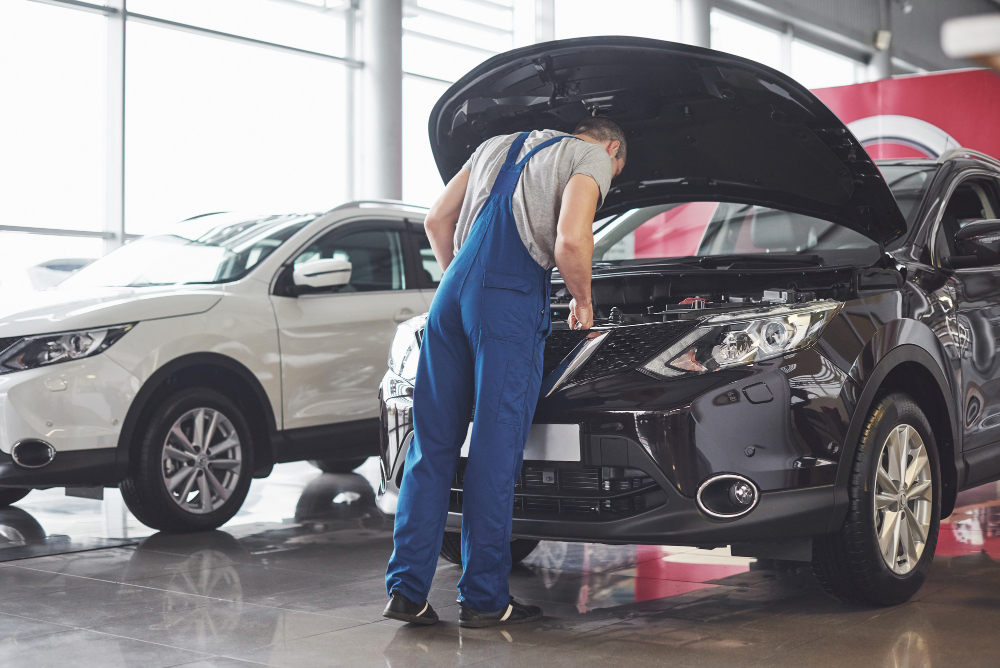
Buying a Toyota is one decision. Owning one for the next five to ten years is another. Most buyers research the purchase price in detail but give very little thought to what they will spend keeping the car running. That gap in planning can add up to anywhere from Rs 17,000 to over Rs 30,000 over the first five years for routine servicing alone, depending on which model sits in your garage. This Toyota service cost guide covers the four most popular models at Castle Toyota in Jalandhar: the Fortuner, Innova Hycross, Innova Crysta, and Glanza. You will find service intervals, per-visit cost estimates, five-year totals, and a few things to watch at the major service milestones. Let’s break it down. What Every Toyota Service Actually Includes Before getting into model-specific numbers, here is what a standard periodic service covers across all Toyota models. Every service visit involves an engine oil change with the grade specified for that model, an oil filter replacement, a visual inspection of brakes and tyres, fluid level checks, and a general health scan. Depending on the service interval, additional items rotate in: air filter replacement, cabin pollen filter, fuel filter, coolant, brake fluid, and transmission oil at the major intervals. Authorized Toyota service centres charge for parts separately from labour; both figures are worth asking about upfront. Toyota’s service schedule in India runs on a kilometre or time basis, whichever comes first. The standard interval across most models is every 10,000 km or 12 months. Toyota Fortuner Service Cost 2026 The Fortuner is the most capable and the most expensive Toyota to service in this group. Its 2.8-litre diesel engine runs on longer oil drain intervals than smaller petrol cars, but the parts cost more and the labour for a larger SUV runs higher. Service Schedule and Estimated Costs (Diesel Automatic, Authorized Centre): Service No. Mileage / Time Estimated Cost 1st Service 10,000 km / 12 months Rs 2,430 (free labour) 2nd Service 20,000 km / 24 months Rs 5,560 3rd Service 30,000 km / 36 months Rs 6,500 4th Service 40,000 km / 48 months Rs 8,780 5th Service 50,000 km / 60 months ~Rs 8,454 Five-year estimated service total: approximately Rs 31,724 (parts only; GST and additional labour charges are extra). The first service at 10,000 km is complimentary for labour. Owners only pay for parts such as engine oil and filter. From the second service onward, labour charges apply. The Fortuner diesel MT variant has a running cost of approximately Rs 6.02 per km, making it the most economical Fortuner option for buyers covering high annual distances. What to watch at 40,000 km: This is the Fortuner’s most expensive service interval. Transmission oil, brake fluid, and coolant all come due together. Budget Rs 10,000 to Rs 14,000 for this visit at an authorized centre. Common additional costs outside routine service: Toyota Innova Hycross Service Cost 2026 The Innova Hycross sits on Toyota’s TNGA platform with a 2.0-litre petrol or 2.0-litre strong hybrid powertrain. The hybrid variant adds a battery health check and high-voltage system inspection to the standard service, but these add minimal cost at authorized centres. Key service policy: Toyota offers three complimentary services for the Hycross at 1,000 km, 10,000 km, and 20,000 km. Labour is free for all three; owners pay only for parts. Five-year estimated service total: approximately Rs 32,514 (routine servicing, all variants). This figure includes hybrid battery health checks as part of the standard visit. A real-world ownership report on Team-BHP noted that a 10,000 km service on the Hycross ZX(O) with the Toyota Smiles package cost the owner approximately Rs 2,000 overall, which included a wheel alignment request. This reflects how the pre-paid service package can meaningfully lower per-visit costs for Hycross owners. What changes on the hybrid variant: The strong hybrid system uses regenerative braking, which noticeably reduces brake pad wear. The 4th year, 8th year, and 10th year services are the heavier intervals, with the 10th year service also requiring spark plug replacement, making it the most expensive single visit over the ownership cycle. Running cost advantage: At real-world mixed mileage of 17 to 20 kmpl, the hybrid variant’s annual fuel bill for 12,000 km per year runs significantly lower than the petrol-only Hycross and, over time, offsets the slightly higher purchase price. Toyota Innova Crysta Service Cost 2026 The Innova Crysta runs the 2.4-litre diesel engine exclusively in 2026 and is available only with a 5-speed manual gearbox. Diesel servicing involves marginally higher costs than comparable petrol models due to engine oil grade, fuel filter requirements, and EGR system upkeep. Estimated service cost range per interval (2.4L Diesel, 2026): Service No. Mileage / Time Authorized Centre Multi-brand / Doorstep 1st Service 5,000 km / 2 months Free (labour only) Rs 500–1,000 (consumables) 2nd Service 10,000 km / 12 months Rs 4,500–6,500 Rs 3,500–5,000 3rd Service 20,000 km / 24 months Rs 5,500–7,500 Rs 4,000–5,500 4th Service 40,000 km / 48 months Rs 12,000–16,500 Rs 9,000–12,000 5th Service 50,000 km / 60 months Rs 5,000–7,000 Rs 3,500–5,000 The 40,000 km service is the Crysta’s most expensive regular interval. Transmission oil, brake fluid, coolant, and all filters come due together. Missing it on a diesel Crysta that runs high mileage can affect transmission longevity. For private family owners covering 12,000 to 20,000 km per year, budget approximately Rs 18,000 to Rs 25,000 annually for service and wear items including tyres. For fleet and taxi operators covering 60,000 to 100,000 km per year, the annual maintenance budget rises to Rs 90,000 to Rs 1,30,000, which includes multiple sets of tyres, two to three brake pad changes, and five to six filter replacements per year. The Crysta consistently holds 60 to 72 percent of its purchase price after five years, among the best resale retention figures in the MPV segment. Keeping a clean service history can add 5 to 10 percent to the resale value. Toyota Glanza Service Cost 2026 The Glanza is the entry
Innova Crysta vs Innova Hycross: Which Toyota MPV Should You Buy in 2026?

Two Toyota badges. Two very different philosophies. The Innova Crysta and the Innova Hycross sit side by side in showrooms right now, and the choice between them trips up a lot of buyers. Here is the short version: the Crysta is a diesel workhorse built on a ladder frame, and the Hycross is a monocoque hybrid MPV that prioritises comfort and fuel economy. But that summary leaves out most of what actually matters when you spend Rs 20 lakh to Rs 32 lakh on a family vehicle. Let’s break it down properly. Innova Crysta vs Innova Hycross: Quick Numbers Side by Side Before getting into the details, here is a clean spec comparison across the most important criteria. Spec Innova Crysta (2026) Innova Hycross (2026) Engine 2.4L Diesel (148 bhp, 343 Nm) 2.0L Petrol / 2.0L Strong Hybrid (184 PS combined) Transmission 5-speed Manual only CVT (Petrol) / e-CVT (Hybrid) Drive Layout Rear-Wheel Drive Front-Wheel Drive Chassis Ladder Frame TNGA Monocoque Seating 7 or 8 7 or 8 ARAI Mileage 15.6 kmpl (Diesel) 16.13 kmpl (Petrol) / 23.24 kmpl (Hybrid) Boot Space 300 litres 300 litres Wheelbase 2,750 mm 2,850 mm Price Range (ex-showroom) Rs 18.85 lakh to Rs 25.98 lakh Rs 18.70 lakh to Rs 31.84 lakh ADAS No Yes (select trims) Panoramic Sunroof No Yes (top variants) Both cars carry the same Innova DNA. The way they carry it could not be more different. Engine and Powertrain: Diesel Muscle vs Hybrid Refinement This is where the two MPVs split most sharply. Innova Crysta: The Crysta runs a 2.4-litre diesel engine producing 148 bhp and 343 Nm of torque. It is paired with a 5-speed manual gearbox only. Toyota dropped the automatic transmission option from the current Crysta lineup. If you want an auto box, this is not your car. What the diesel does well is pulling power. The torque arrives early, around 1,400 rpm, and stays strong up to 2,800 rpm. Fully loaded with seven passengers and luggage on a highway, the Crysta feels planted and confident. That mid-range torque makes overtaking easy and relaxed. The trade-off is in the city. Without an automatic gearbox, stop-start traffic in Jalandhar or Chandigarh means constant clutch work. The steering is on the heavier side at low speeds, and the gear shift itself can feel rubbery. Buyers used to automatics will find this tiring. Innova Hycross: The Hycross drops diesel entirely. It offers a 2.0-litre petrol engine in two forms: a standard petrol making 174 PS paired with a CVT, and a strong hybrid system where the same 2.0-litre petrol pairs with an electric motor and a 1.7 kWh battery for a combined 184 PS through an e-CVT. The hybrid is what most buyers focus on, and rightly so. In heavy city traffic, the Hycross hybrid runs largely on battery power at low speeds. The petrol engine cuts in during acceleration and higher speeds. Toyota has offered an 8 years or 1,60,000 km warranty on the hybrid battery pack. Real-world mileage tests by CarWale recorded 13.1 kmpl in city driving and 18.2 kmpl on the highway for the hybrid variant, against an ARAI-certified figure of 23.24 kmpl. Owner reports across India consistently show the hybrid returning between 17-20 kmpl in mixed use. That is genuinely strong performance for a vehicle of this size and weight. Mileage Comparison: What the Numbers Actually Mean Here is why. The Crysta’s diesel returns a claimed 15.6 kmpl (ARAI). In the real world, city driving pulls that down, while highways can push it close to the claimed figure. At today’s diesel prices, the Crysta is not an expensive vehicle to run on long trips. The Hycross hybrid, at around 17-20 kmpl in real-world mixed use, genuinely changes the running cost equation. Owners report monthly fuel savings of Rs 3,000 to Rs 5,000 compared to their previous diesel vehicles, with most recovering the hybrid’s price premium within two to three years through those savings. The standard petrol Hycross (non-hybrid) returns around 13-14 kmpl in real-world conditions, which is not competitive against the diesel Crysta for buyers doing high annual mileage. If you are choosing the Hycross, the hybrid variant is the version that makes financial sense. Ride, Handling, and Chassis: Two Different Experiences The difference in chassis is not just a spec-sheet detail. It changes how these two cars feel every single day. Innova Crysta uses a ladder-frame chassis, the same philosophy as a truck or an SUV like the Fortuner. This makes it durable, capable of taking a beating on rough roads, and well-suited to loaded highway driving. The downside is that the ride over broken surfaces can feel vertical and bouncy, especially in the second and third rows. It leans noticeably around corners and is not a car you would describe as agile. Innova Hycross sits on Toyota’s TNGA platform, a monocoque structure also used in cars like the Camry. The result is a much more car-like driving experience. Body roll is reduced, ride quality is more absorbed on bad roads, and the cabin feels more planted. The wheelbase is also 100 mm longer at 2,850 mm versus 2,750 mm for the Crysta, translating directly to more legroom in the second and third rows. If you carry passengers daily who sit in the rear, the Hycross is noticeably more comfortable. Interior and Features: Where the Two Cars Live in Different Eras Walk into a Crysta and then walk into a Hycross. The gap in cabin technology is real. Innova Crysta gives you a practical, well-built interior with good seat quality and ample space. There is no ADAS, no panoramic sunroof, and no large digital display. The infotainment setup is functional but dated compared to what the Hycross offers. What the Crysta does have is space, good second-row legroom, and durable seat materials suited to heavy daily use. Innova Hycross brings the Crysta’s cabin into the present. The top-spec variants offer a panoramic sunroof, ottoman seats in the second row that extend legroom significantly, ventilated
Toyota Hybrid Cars in India: Benefits, Mileage and Maintenance Costs Explained
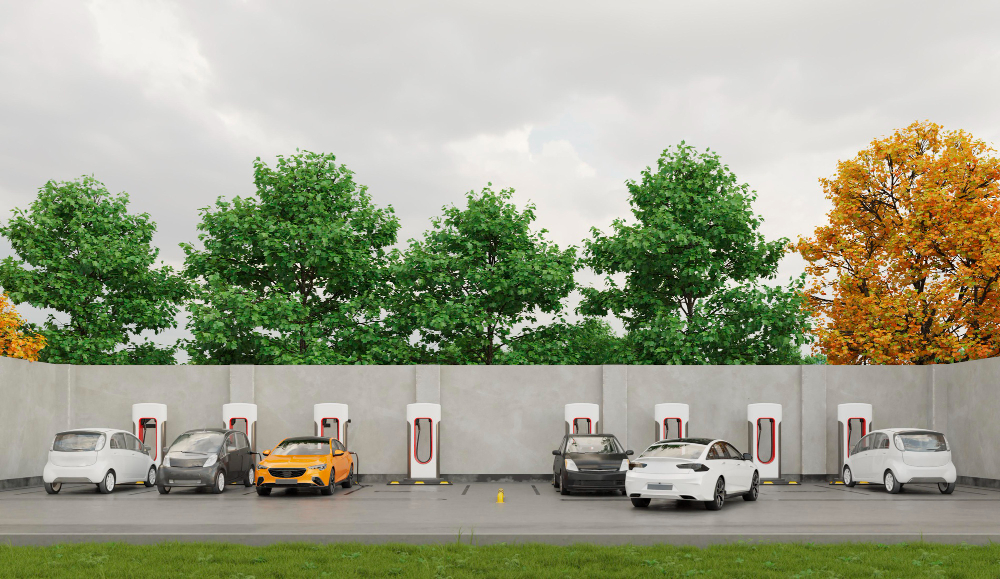
If you have been watching petrol prices climb and wondering whether a hybrid makes sense for your daily driving, you are not alone. Toyota hybrid cars in India have moved from a niche product to a genuine mainstream option, with four hybrid models currently on sale ranging from Rs 10.99 lakh to over Rs 1.2 crore. Each one uses a slightly different version of Toyota’s hybrid technology. Before you decide whether a hybrid fits your life, it helps to understand exactly how the system works, what mileage you can realistically expect, and whether the service and maintenance costs live up to the promises. Let’s break it down. How Toyota’s Hybrid System Works in India Toyota sells two types of hybrid systems in India, and confusing them is easy. Here is the distinction. Most buyers asking about Toyota hybrid cars in India are asking about the strong hybrid. That is the system that delivers the headline mileage numbers. Toyota Hybrid Cars in India: Full Lineup and Mileage in 2026 Here is the current range of Toyota hybrids available at dealerships in India, with ARAI-certified mileage figures. Model Hybrid Type Engine ARAI Mileage Price Range (Ex-showroom) Urban Cruiser Hyryder Strong Hybrid 1.5L Petrol + Electric 27.97 kmpl Rs 16.77 lakh onwards Innova Hycross Strong Hybrid 2.0L Petrol + Electric 23.24 kmpl Rs 19.53 lakh onwards Camry Strong Hybrid 2.5L Petrol + Electric 25.49 kmpl Rs 47.48 lakh onwards Vellfire Strong Hybrid 2.5L Petrol + Electric Available on request Rs 1.2 crore onwards Fortuner (Neo Drive) Mild Hybrid 2.8L Diesel + 48V 14.6 kmpl Rs 34.76 lakh onwards Next steps: once you have the model in mind, it is worth looking at real-world numbers rather than just the ARAI figure. Real-World Mileage: What to Actually Expect ARAI-certified figures are recorded under controlled lab conditions. Real roads, real traffic, and air conditioning produce different numbers. Here is what owners and independent tests report across the Toyota hybrid range. The key pattern: Toyota’s strong hybrid system works better in city traffic than on open highways. If your daily commute involves significant urban congestion, the real-world numbers will come close to or even match the ARAI figures. The Real Financial Case for a Toyota Hybrid Here is why the mileage matters in rupees. Take a buyer covering 1,500 km per month in a city. At petrol prices of around Rs 94 per litre in Jalandhar in 2026, a regular petrol SUV returning 13 kmpl spends roughly Rs 10,846 per month on fuel. The same distance in an Innova Hycross Hybrid at 17 kmpl costs around Rs 8,294 per month. That is a saving of around Rs 2,500 to Rs 3,000 per month, or Rs 30,000 to Rs 36,000 per year. Over five years, that saving compounds to Rs 1.5 lakh to Rs 1.8 lakh in fuel costs alone, before accounting for any maintenance differences. Owners of the Hyryder Hybrid specifically report monthly fuel savings of Rs 3,000 to Rs 5,000 compared to their previous petrol cars. At those savings rates, the hybrid premium over a standard petrol variant pays itself back within two to three years for buyers who drive regularly in the city. Toyota Hybrid Maintenance Costs: What Changes and What Does Not This is the question that most buyers do not ask until after purchase. Here is how servicing a Toyota hybrid actually differs from a conventional car. What stays the same: Engine oil changes, air filter replacements, cabin filter changes, and tyre rotations follow the same schedule as any petrol car. Spark plugs, coolant, and brake fluid checks happen at the same intervals. Toyota’s service schedule for hybrid models does not require more frequent visits than conventional vehicles. What changes: Toyota hybrids add a hybrid battery health check and a high-voltage system inspection to the service routine. These checks are part of the standard service and do not add significant time or cost when done at an authorised dealership. The hybrid battery in strong hybrid models carries a warranty of 8 years or 1,60,000 km from Toyota. The brake pad advantage: Regenerative braking recovers energy during deceleration and feeds it back into the battery. Because the car uses the electric motor to slow down before the mechanical brakes engage, brake pad wear is significantly lower on hybrids. Industry data for 2026 shows hybrid brake pads typically last considerably longer than those on conventional cars of similar size and weight. This translates to lower brake replacement costs over the life of the vehicle. Service cost benchmark: A 2026 guide on car service costs in India places hybrid vehicle servicing in the range of Rs 3,500 to Rs 7,000 per service visit, noting fewer moving parts than diesel engines and the brake pad longevity advantage. Diesel vehicles in a comparable segment typically cost Rs 25,000 to Rs 40,000 more in cumulative service costs over five years compared to petrol variants. Toyota’s strong hybrid, which requires no diesel particulate filter, injector cleaning, or turbocharger maintenance, sits closer to the lower end of the maintenance cost spectrum. GST on Toyota Hybrid Cars in India: The Tax Picture in 2026 The 56th GST Council meeting in September 2025 changed the tax structure for cars in India. The compensation cess was abolished and replaced with a two-tier system. Here is what that means for Toyota hybrid buyers: Small hybrids with petrol engines up to 1,200 cc and measuring under 4 metres now attract 18% GST, down from the earlier 28% plus cess structure. This benefits entry-level hybrid buyers in other brands but does not apply to most Toyota hybrids, which are larger vehicles. For larger hybrids above 4 metres, including the Innova Hycross Hybrid, Camry Hybrid, Hyryder Hybrid, and Vellfire, the new structure places them in the 40% GST slab. The removal of the cess, however, provided a marginal 3% net relief compared to the old combined rate. What this means practically: the Innova Hycross Hybrid, Grand Vitara Hybrid, and Honda City Hybrid all received a modest price
Toyota Innova Crysta vs. Hycross: What’s the Difference?

In the premium MPV segment of the Indian automotive market, Toyota has established a formidable reputation with its Innova lineup. For years, the Innova Crysta has been the gold standard for family transportation, combining comfort, reliability, and prestige. However, with the introduction of the newer Innova Hycross, many prospective buyers find themselves at a crossroads: should they opt for the tried-and-tested Crysta or embrace the modern innovations of the Hycross? At Castle Toyota, we understand this dilemma and have created this comprehensive comparison to help you make an informed decision that aligns with your needs and preferences. Evolution of the Toyota Innova Lineage Before diving into the specific differences, it’s worth understanding the evolution of the Innova lineup in India. The journey began with the original Innova in 2005, which replaced the beloved Qualis and quickly established itself as the premier choice for family transportation. In 2016, Toyota introduced the Innova Crysta, which elevated the MPV experience with more premium features, enhanced comfort, and a more sophisticated design. In late 2022, Toyota unveiled the Innova Hycross, representing a significant departure from its predecessors in terms of architecture, powertrain, and features. While sharing the Innova name and spirit, the Hycross brings a fresh approach to the premium MPV segment, creating an interesting choice for consumers. Platform and Architecture: Fundamental Differences The most fundamental difference between the Innova Crysta and Hycross lies in their underlying architecture, which influences numerous aspects of each vehicle’s character and capabilities. Innova Crysta: Traditional Body-on-Frame Construction The Innova Crysta continues to utilize Toyota’s IMV (Innovative International Multi-purpose Vehicle) platform with a body-on-frame construction. This traditional architecture offers several advantages: Innova Hycross: Modern Monocoque Construction In contrast, the Innova Hycross represents a paradigm shift with its adoption of the TNGA-C (Toyota New Global Architecture) platform using monocoque construction. This modern approach delivers: This fundamental architectural difference sets the tone for many of the other contrasts between these two vehicles. Powertrain Options: Traditional vs. Progressive The engine and transmission options represent another area of significant divergence between the Crysta and Hycross, reflecting different philosophies in powertrain development. Innova Crysta: Conventional Powertrains with Diesel Option The Innova Crysta offers two engine choices: The diesel engine, in particular, has been a cornerstone of the Innova’s appeal in India, offering a compelling combination of performance and efficiency for long-distance travel and fully-loaded conditions. Innova Hycross: Petrol and Strong Hybrid Technology The Hycross takes a more forward-looking approach with its powertrain options: Notably absent is a diesel engine option, reflecting Toyota’s strategic shift toward hybrid technology as their efficiency solution. The strong hybrid system represents the most technologically advanced powertrain ever offered in an Innova, providing significant improvements in fuel efficiency without compromising on performance. Exterior Design: Evolution vs. Revolution While both vehicles are unmistakably Innovas, their exterior designs reflect different aesthetic approaches and priorities. Innova Crysta: Evolutionary Elegance The Innova Crysta features a design that evolved from its predecessor, maintaining the recognizable Innova silhouette while adding more premium elements: The overall aesthetic is dignified and somewhat conservative, prioritizing a timeless appeal that ages gracefully. Innova Hycross: Contemporary Crossover Influence The Hycross adopts a more modern design language with subtle crossover/SUV cues: The Hycross design pushes the Innova nameplate in a more contemporary direction, appealing to buyers who appreciate modern automotive design trends. Interior and Features: Comfort vs. Technology The interior experience is where many buyers will notice significant differences between these two models, with each prioritizing different aspects of the premium MPV experience. Innova Crysta: Traditional Luxury The Crysta’s interior focuses on traditional luxury cues and proven comfort features: The overall interior ambiance exudes a sense of established luxury, with an emphasis on comfort and durability. Innova Hycross: Modern Tech-Forward Approach The Hycross interior takes a more contemporary approach, integrating advanced technology: The Hycross interior feels more aligned with current luxury vehicle trends, emphasizing technology integration and convenience features. Safety Features: Evolution of Protection Safety is paramount in family vehicles, and both Innovas offer robust safety packages, though with different emphases. Innova Crysta: Fundamental Safety The Crysta provides essential safety features with: These features provide comprehensive protection in most driving scenarios and have proven effective over years of real-world use. Innova Hycross: Advanced Driver Assistance The Hycross elevates safety with the addition of Toyota Safety Sense (TSS), a suite of advanced driver assistance systems: These advanced systems represent a significant leap forward in preventive safety technology, potentially avoiding accidents before they occur. Dimensions and Space: Similar Yet Different While both vehicles serve as 7-seater MPVs, there are subtle but meaningful differences in their spatial arrangements. Innova Crysta: Proven Proportions The Crysta’s dimensions have been refined over generations: These dimensions provide excellent interior space while maintaining manageable exterior proportions for Indian roads. Innova Hycross: Maximized Interior Space The Hycross makes the most of its monocoque platform with: The most significant difference is the 100 mm longer wheelbase, which translates to noticeably more interior space, particularly benefiting third-row passengers and cargo capacity. Driving Experience: Character and Capability Perhaps the most subjective yet important difference between these vehicles lies in how they feel from behind the wheel. Innova Crysta: Commanding and Capable The Crysta’s driving experience is characterized by: These characteristics create a driving experience that feels substantial and dependable, inspiring confidence in various driving conditions. Innova Hycross: Refined and Responsive The Hycross offers a noticeably different driving character: The overall driving experience feels more refined and less utilitarian, appealing to those who prioritize comfort and ease of driving. Pricing and Value Proposition The pricing structure for both models reveals different value propositions and target demographics. Innova Crysta: Established Value The Innova Crysta is priced from approximately ₹19.99 lakhs to ₹26.30 lakhs (ex-showroom), reflecting its position as a proven premium MPV with: Innova Hycross: Progressive Premium The Innova Hycross commands a premium with prices ranging from approximately ₹18.55 lakhs to ₹30.00 lakhs (ex-showroom), justifying the higher price with: Who Should Choose Each Model? Based on these differences, certain buyer profiles may gravitate toward one