
Best Toyota Cars for Long-Distance Driving in India: Comfort, Mileage and Performance Compared
Planning a long road trip changes the way you look at a car. City comfort and highway comfort are not the same thing, and a car that feels fine on a 20-minute commute can feel tiring after five hours on the same seat. This is where the right pick matters. Toyota cars for long-distance driving in India come up again and again in road-trip forums and owner reviews, and there is a clear reason for that. Toyota builds its cars around ride quality, cabin space, and long-term reliability, three things that matter more on a highway stretch than a spec sheet ever will. In this post, we will look at five Toyota models that Indian drivers actually take on long trips: the Innova Hycross, Innova Crysta, Fortuner and Legender, Camry, and Urban Cruiser Hyryder. We will compare their mileage, seating comfort, boot space, and highway manners so you can match the right car to your own driving needs. Why Toyota Cars for Long-Distance Driving in India Work So Well Here is why Toyota keeps showing up on long-drive shortlists across India: Let’s break it down model by model. Toyota Innova Hycross: The Highway-Ready Family MPV The Innova Hycross is the newer sibling of the Crysta, and it was built with families and long drives in mind. It comes with two petrol engine options: a strong-hybrid 2.0-litre unit that makes 184 bhp and 188 Nm, and a non-hybrid 2.0-litre petrol that makes 172 bhp and 209 Nm for buyers who want a simpler, lower-cost setup. Mileage and running cost The hybrid variant carries an ARAI-certified figure of 23.24 km/l, and owners report real-world numbers in the 18 to 20 km/l range on mixed routes. That is a strong number for a car this size, and it means fewer fuel stops between cities. Comfort and cabin space The Hycross measures 4755 mm in length with a 2850 mm wheelbase, which gives the second and third rows real legroom. Ground clearance sits at 185 mm, so speed bumps and rough patches do not knock the underbody around. Boot space is 300 litres with all seats up, and it grows to 991 litres once the third row folds flat, which works well for a family with luggage. The fuel tank holds around 52 litres, so a single fill can cover a long day’s drive. Higher variants add Toyota Safety Sense, which brings adaptive cruise control, lane-keep assist, and pre-collision warning, features that lower driver fatigue on long highway runs. Toyota Innova Crysta: The Old-School Road-Trip Workhorse The Innova Crysta has been a road-trip staple in India for close to a decade, and plenty of taxi fleets and families still swear by it. It runs a 2.4-litre diesel engine paired with either a manual or automatic gearbox. The ARAI-claimed mileage sits at around 16 km/l, with real-world figures usually landing between 9 and 13 km/l depending on load and driving style. The diesel engine gives it strong pulling power on inclines and while carrying a full load, which is why it stays popular for hill routes and long family trips. The cabin has a low floor, wide middle row, and a suspension that absorbs rough patches calmly, so long drives feel relaxed rather than tiring. Fuel tank capacity is 55 litres, which keeps range comfortable between stops. Toyota Fortuner and Legender: Built for Power on Long Highway Runs If your road trips mix highway stretches with rough terrain, the Fortuner and its sportier Legender trim are worth a look. Both run a 2.8-litre turbo diesel engine that makes 201 bhp and 500 Nm, paired with a six-speed automatic and paddle shifters on the Legender. ARAI mileage for the diesel automatic comes in at 14.2 to 14.4 km/l, and the fuel tank holds 80 litres, so you can cover close to 1,000 km before you need to refuel. Ground clearance stands at 225 mm, which is the highest of any car on this list, and boot space comes in at 296 litres. This is the pick for anyone who wants a commanding driving position and confidence over uneven roads on long inter-state drives. Toyota Camry Hybrid: Comfort-First Choice for Highway Cruising The Camry sits in a different category. It is not built for rough roads, but it is one of the smoothest highway cruisers Toyota sells in India. The 2025 model runs a 2.5-litre hybrid engine that produces 230 PS and 221 Nm through an e-CVT gearbox. Fuel use is where the Camry stands out. ARAI rates it at 25.49 km/l, and owners report 21 to 22 km/l in real-world mixed driving, numbers that beat most SUVs and MPVs in this price bracket. The 50-litre tank and quiet hybrid running make it a natural fit for chauffeur-driven trips or long highway runs where cabin refinement matters more than ground clearance. Rear-seat passengers get reclining seats and generous legroom, and the car comes with nine airbags along with a full ADAS suite for added confidence at highway speeds. Toyota Urban Cruiser Hyryder: Best Mileage Pick for Long Drives For drivers who want SUV looks with hatchback-like running costs, the Urban Cruiser Hyryder is worth a serious look. It comes in mild-hybrid, strong-hybrid, and CNG options, giving buyers real choice based on how they plan to use the car. The strong-hybrid automatic variant returns an ARAI figure of up to 27.97 km/l, which makes it the car with the best mileage in this list by a wide margin. The petrol manual variant still manages 21.12 km/l, and the CNG version delivers 26.6 km/kg for buyers focused purely on running cost. Ground clearance comes in at 210 mm, and boot space runs from 373 litres on the mild-hybrid variant to 265 litres on the strong-hybrid variant, since the battery pack sits under the boot floor. Owners note that the hybrid drivetrain stays quiet and stable on highways, and one common piece of feedback is that it feels highly comfortable for long drives despite its compact SUV size. Quick
Toyota Safety Features Explained: ADAS, Airbags, ABS and Driver Assistance Technologies

Buying a car is not just about mileage and looks. Safety is the part that only matters until the day it matters a lot, and by then it is too late to wish you had checked the spec sheet more carefully. This guide has Toyota Safety Features Explained in plain terms, covering airbags, ABS, ADAS, and the other driver assistance systems fitted across the Toyota lineup sold in India. By the end, you will know exactly what these terms mean and which Toyota models carry which safety kit. Why Safety Features Deserve More Attention Than They Get Most buyers spend hours comparing mileage figures and engine numbers, then glance at the safety section for a few seconds. That is backwards. Here is why it matters: Let’s break it down system by system, starting with the basics. What Is ABS with EBD, and Why Every Toyota Gets It ABS, or Anti-lock Braking System, stops your wheels from locking up when you brake hard. Without ABS, a locked wheel skids in a straight line no matter which way you turn the steering wheel, and you lose control of the car exactly when you need it most. EBD, or Electronic Brakeforce Distribution, works with ABS to send the right amount of braking force to each wheel based on load and road grip. A fully loaded Innova Crysta heading downhill needs different brake force at the rear than an empty hatchback, and EBD handles that automatically. Every Toyota model sold in India today comes with ABS and EBD as standard fitment, across all trims, not just the top ones. This is not a premium add-on. It is the baseline Toyota builds every car around. Airbags: How Many Does Your Toyota Actually Need Airbags cushion occupants during a collision by deploying instantly and absorbing impact force before it reaches the body. The number and placement of airbags change how much protection you get in different types of crashes. Here is how airbag counts stack up across popular Toyota models in India: More airbags help, but they work best alongside a strong body structure. Toyota builds several of its India models on the TNGA platform, which the brand designs for crash energy absorption and cabin rigidity, so the airbags and the structure work as one system rather than in isolation. ADAS Explained: What Toyota Safety Sense Actually Does ADAS stands for Advanced Driver Assistance Systems, a group of technologies that use cameras and radar to watch the road and step in before a crash happens. Toyota packages its ADAS features under the name Toyota Safety Sense, or TSS. The main features inside Toyota Safety Sense Here is a numbered walkthrough of what each TSS feature actually does on the road: The Innova Hycross carries the fuller version of this suite, with Toyota confirming that its ADAS setup includes Pre-Collision System, Lane Trace Assist, Dynamic Radar Cruise Control, Blind Spot Monitor and Automatic High Beam across higher variants. The Camry adds a similar suite, including a forward collision avoidance function with pedestrian detection, adaptive and standard cruise control, lane-keep assist, a road-sign read-out and an automatic high beam function, tested and confirmed to work well on Indian highway conditions. Electronic Stability Control, Hill Assist, and Other Backup Systems ADAS handles what happens up front on the road, but a separate set of systems manages how the car itself behaves during sudden moves. Electronic Stability Control (ESC or VSC): Detects when the car is about to skid sideways during a sharp turn or sudden lane change, and reduces engine power or brakes individual wheels to bring the car back in line. This is standard across the Fortuner, Innova Hycross, and Camry. Hill-Start Assist Control (HAC): Holds the brakes for a couple of seconds when you lift off the brake pedal on an incline, so the car does not roll backward while you switch to the accelerator. This is a genuine convenience feature on hill routes and multi-storey parking ramps. Traction Control (TRC): Limits wheel spin on wet, sandy, or loose surfaces by managing power delivery to whichever wheel has the most grip. Tyre Pressure Monitoring System (TPMS): Alerts you the moment tyre pressure drops below the safe range, catching slow punctures before they turn into a blowout on the highway. Toyota bundles several of these under what it calls the Star Safety System in some markets, and while the branding varies by model, the underlying features show up consistently across the Indian lineup. How Toyota Models Perform in Crash Tests Feature lists only tell part of the story. Independent crash testing tells you how the car actually behaves in a real impact. The Innova Hycross scored a full 5-star rating under Bharat NCAP, earning 30.47 out of 32 points for adult occupant protection and 45 out of 49 points for child occupant safety, with a perfect 16 out of 16 in the side impact test. The rating applies across all variants, including both the 7-seater and 8-seater layouts, which means Toyota did not hold back safety kit for the base trims. The Fortuner carries a 5-star rating from ASEAN NCAP for adult occupant protection, child occupant protection, and pedestrian protection, backed by seven airbags, ABS with EBD, and Vehicle Stability Control as standard fitment. The Camry Hybrid has not undergone a separate Bharat NCAP test as of this writing, but its safety architecture, nine airbags, a 360-degree camera, and ISOFIX child seat mounts, along with a full Toyota Safety Sense suite, place it well ahead of most sedans in its price bracket on paper. Quick Reference: Safety Features Across Toyota’s India Lineup Model Airbags ADAS (TSS) ESC Crash Rating Innova Hycross 6 Yes (higher grades) Yes 5-star, Bharat NCAP Fortuner / Legender 7 Not standard Yes 5-star, ASEAN NCAP Camry Hybrid 9 Yes Yes Not separately tested in India Urban Cruiser Hyryder 6 No Yes Not separately tested in India Innova Crysta 6 No Yes Not separately tested in India Feature availability can differ by variant. Confirm
What Kind of Things Would You Look Out for on a 5th-Gen Camry?

The Toyota Camry has earned its reputation as one of the most reliable midsize sedans on the road. The fifth generation, produced from 2002 to 2006, remains a popular choice for buyers seeking affordable, dependable transportation. Whether you’re shopping for a used model or maintaining your current vehicle, knowing what to inspect can save you from costly repairs and disappointment. This guide walks you through the specific areas that deserve your attention when evaluating a 5th-gen Camry. We’ll cover common issues, maintenance priorities, and practical tips to help you make informed decisions. Understanding the 5th-Gen Camry Platform Toyota introduced the fifth generation Camry in late 2001 as a 2002 model. This generation offered two engine options: a 2.4-liter four-cylinder and a 3.0-liter V6. Both paired with either a five-speed manual or automatic transmission, depending on the trim level. The model received a facelift in 2005, bringing updated styling and minor improvements. Despite its age, many of these vehicles continue delivering reliable service when properly maintained. At Toyota Castle, customers frequently ask about these models, and understanding their strengths and weaknesses helps buyers make smart choices. Engine and Transmission Concerns Oil Consumption Issues The four-cylinder engine in some 5th-gen Camry models develops oil consumption problems as mileage increases. This happens when piston rings wear or carbon deposits build up. Check the oil level before and after test drives. Look for blue smoke from the exhaust during acceleration, which signals burning oil. Ask the seller about oil consumption patterns. Some owners report adding a quart every 1,000 miles, while others experience minimal loss. Request maintenance records showing regular oil changes, as proper servicing reduces this problem. Transmission Performance The automatic transmission in these models generally performs well, but certain warning signs need attention. During test drives, feel for smooth shifting between gears. Harsh shifts, slipping, or delayed engagement suggest internal wear. Check the transmission fluid color and smell. Fresh fluid appears bright red or pink. Dark brown or burnt-smelling fluid indicates neglected maintenance or internal damage. The transmission should shift seamlessly through all gears without hunting or hesitation. Engine Mounts Worn engine mounts create noticeable vibrations, especially during startup and acceleration. These rubber components deteriorate over time, causing the engine to shift excessively. Listen for clunking sounds when shifting between drive and reverse. Feel for vibrations through the steering wheel and seat at idle. Suspension and Steering Components Struts and Shocks The front struts and rear shocks wear gradually on the 5th-gen Camry. Push down on each corner of the vehicle and release. The car should bounce once and settle. Multiple bounces indicate worn dampers. During driving, pay attention to how the car handles bumps and dips. Poor shock absorption creates a floaty ride quality and reduces stability. Look under the vehicle for oil leaks around the strut and shock bodies. Leaking dampers need replacement immediately. Ball Joints and Control Arms Lower ball joints experience significant wear on these models. Jack up the front end and check for play in the wheels by pushing and pulling at the top and bottom. Excessive movement suggests worn ball joints. Listen for clunking noises when driving over bumps or making turns. These sounds often come from worn control arm bushings or ball joints. Inspect the rubber boots covering the ball joints for tears or damage. Steering Rack Issues Some 5th-gen Camry models develop steering rack leaks. Park on clean pavement overnight and check for power steering fluid spots in the morning. Turn the steering wheel while parked and listen for whining or groaning noises, which suggest low fluid or a failing pump. The steering should feel responsive without excessive play. If you need to turn the wheel more than an inch before the wheels respond, the steering system needs inspection. Brake System Inspection Brake Components Inspect brake pads, rotors, and calipers carefully. Measure the remaining pad thickness on all four wheels. Most mechanics recommend replacement when pads reach 3-4 millimeters. Check the rotors for deep grooves, warping, or rust damage. Squeeze the brake calipers to check for seized pistons. Sticky calipers cause uneven pad wear and reduced braking performance. Listen for grinding or squealing noises during braking, which indicate worn pads or damaged rotors. Brake Lines and Fluid Examine the flexible brake lines for cracks, bulges, or deterioration. These rubber lines age over time and can burst without warning. Check the brake fluid reservoir for proper level and cleanliness. Contaminated fluid appears dark brown and contains particles. The brake pedal should feel firm with consistent pressure. A soft or spongy pedal suggests air in the lines or a leak somewhere in the system. Body and Rust Inspection Common Rust Spots Even though Toyota uses quality materials, the 5th-gen Camry can develop rust in specific areas. Check the lower edges of doors, the rear wheel wells, and the area around the fuel filler. Northern vehicles exposed to road salt show more corrosion. Inspect the undercarriage thoroughly. Look at the frame rails, exhaust system hangers, and suspension mounting points. Surface rust is normal, but flaking metal or holes indicate serious problems. Paint and Body Panel Condition Examine the paint for fading, peeling, or mismatched colors between panels. Different shades suggest previous accident repairs. Check panel gaps around doors, hood, and trunk for consistency. Uneven gaps indicate collision damage or poor repair work. Open and close all doors, the hood, and trunk. They should operate smoothly without sticking or scraping. Misaligned panels or difficulty closing suggests structural damage. Interior Components and Electronics Dashboard and Instrument Cluster The dashboard in some models develops cracks from sun exposure. Check the top of the dash and around the air vents. While mostly cosmetic, cracks indicate the car spent time in harsh conditions. Test all gauges and warning lights. The check engine light should illuminate briefly during startup and then turn off. A persistent check engine light requires diagnosis before purchase. Power Windows and Locks Test every power window multiple times. They should operate smoothly without grinding or slow movement. Window
Why Is Toyota Camry So Expensive in India
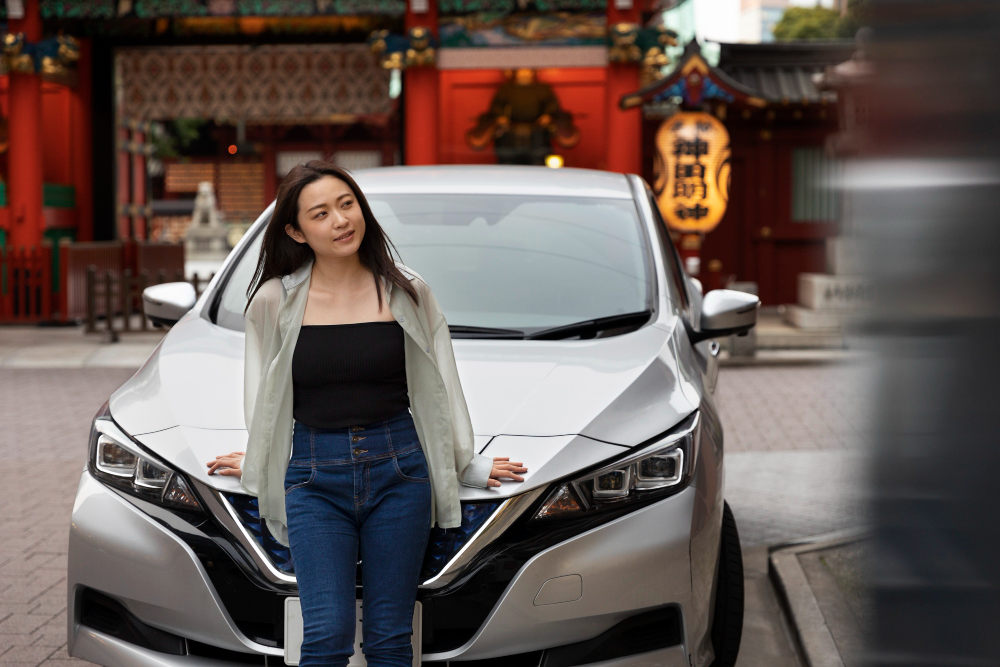
The 2025 Toyota Camry comes with a starting price of Rs. 48 lakh (ex-showroom), making it one of the most expensive midsize sedans in India. Compare that to its US price of around $27,000 (approximately Rs. 22 lakh), and you’re looking at more than double the cost. For many car buyers, this raises an obvious question: why does the Camry carry such a heavy price tag in India? The answer isn’t simple. A mix of government taxation policies, import regulations, limited market demand, and positioning strategy all contribute to making the Toyota Camry an expensive purchase. Let’s break down exactly what’s driving this price difference. Understanding the Import Structure The biggest factor behind the Camry’s high price is how it enters India. Toyota imports the vehicle through the CKD (Completely Knocked Down) route. This means the car arrives as individual parts and components, which are then assembled at Toyota’s facility in India. Unlike mass-market models like the Fortuner or Innova that are manufactured locally with high production volumes, the Camry comes from overseas. This immediately subjects it to multiple layers of taxation. Here’s how the tax structure works. First, Toyota pays a 15% import duty on the CKD kit. Then comes the Integrated GST at 18%. After assembly, the government applies a 28% GST on the final product, plus an additional 15% cess because the Camry has an engine larger than 1,500cc. When you add state-level road tax (around 10% in most regions), insurance, and other charges, the price shoots up dramatically. Let’s put this in perspective. A CKD kit worth Rs. 20 lakh becomes Rs. 38-40 lakh after all these taxes before even reaching the showroom. State-level charges push it further to the Rs. 48 lakh mark you see today. Why Not Manufacture Locally? You might wonder why Toyota doesn’t just build the Camry in India to avoid these taxes. The answer comes down to market demand. The D-segment sedan category (which includes the Camry) has extremely limited appeal in India. Most buyers at this price point prefer SUVs like the Fortuner or luxury German sedans like the Audi A4 and BMW 3 Series. The Camry typically sells just a few hundred units annually, nowhere near enough to justify setting up a dedicated manufacturing line. Building a local production facility requires massive investment in tooling, equipment, and supply chains. For a car that sells in small numbers, this doesn’t make financial sense. Toyota would rather use its Indian manufacturing capacity for high-volume sellers like the Fortuner, Innova Hycross, and Glanza. So the CKD route becomes the practical choice. It allows Toyota to offer the Camry to Indian buyers without the overhead of local manufacturing, but the trade-off is a higher sticker price. Currency Exchange Fluctuations Another layer to consider is the exchange rate between the Indian rupee and Japanese yen. When the rupee weakens against the yen, the cost of importing components increases. These currency movements directly affect the landed cost of the vehicle. Over the past few years, the rupee has generally depreciated against major currencies. This means Toyota pays more in rupee terms to import the same CKD kit, and these costs eventually pass on to buyers. What You’re Actually Paying For The high price tag doesn’t just reflect taxes and import costs. The Camry is packed with features that justify its positioning as a premium sedan. The 2025 model includes a 2.5-liter hybrid engine paired with a fifth-generation hybrid system, delivering 25.49 km/l fuel efficiency. This technology doesn’t come cheap. Inside, you get a 12.3-inch touchscreen infotainment system with wireless Apple CarPlay and Android Auto, a 12.3-inch digital instrument cluster, a 9-speaker JBL audio system, and three-zone automatic climate control. The rear seats feature power recline with dedicated controls, making the Camry a favorite for chauffeur-driven owners. Toyota Camry Safety features include nine airbags, Toyota Safety Sense (which bundles lane-keeping assist, adaptive cruise control, pre-collision alert, and automatic emergency braking), a 360-degree camera, and parking sensors. The build quality, cabin refinement, and NVH (noise, vibration, harshness) levels match or exceed luxury sedans costing much more. For comparison, Castle Toyota locations across Jalandhar, Amritsar, and other Punjab regions report strong interest from buyers who prioritize long-term reliability and low running costs over flashy performance. How the Camry Compares to Competitors At Rs. 48 lakh, the Camry sits in an interesting position. It costs more than the discontinued Skoda Superb (which was priced around Rs. 35-40 lakh) but less than entry-level luxury sedans like the Audi A4, BMW 3 Series, or Mercedes C-Class, which start around Rs. 50-60 lakh. The difference is in the approach. German luxury sedans focus on sporty handling, brand prestige, and cutting-edge interiors. The Camry focuses on comfort, rear-seat space, hybrid efficiency, and Toyota’s legendary reliability. Maintenance costs for the Camry are also significantly lower than German rivals. For buyers who want a refined, comfortable sedan without the high service bills of luxury brands, the Camry makes sense. But you’re still paying luxury-car money for a non-luxury badge. Market Positioning and Brand Value Toyota prices the Camry deliberately. The company knows the sedan occupies a niche market and positions it as a premium product. Part of what you’re paying for is Toyota’s reputation for durability and low ownership costs. Studies consistently rank Toyota among the most reliable brands globally. The Camry specifically has earned high marks from J.D. Power and other consumer research firms for dependability. Owners report fewer problems per 100 vehicles compared to most competitors. This reputation allows Toyota to command a premium. Buyers know they’re getting a car that will likely run trouble-free for years with minimal unexpected repairs. The resale value of a well-maintained Camry remains strong, which helps offset the initial purchase price. Why Buyers Still Choose It Despite the high cost, the Camry continues to find buyers in India. The typical Camry buyer is usually looking for a chauffeur-driven sedan that emphasizes comfort over sportiness. These buyers value quiet cabins, spacious rear seats, and the peace of
Toyota Urban Cruiser Hyryder Petrol Variants Explained

The Toyota Urban Cruiser Hyryder has carved out a unique space in India’s crowded compact SUV market. While competitors chase after diesel and turbo-petrol options, Toyota went a different route, offering petrol variants with mild-hybrid and strong-hybrid technology. If you’re looking at this SUV but feeling confused about which petrol variant fits your needs, this guide breaks down everything you need to know. Understanding the Hyryder’s Petrol Powertrain Options Before we jump into specific variants, let’s get clear on what powers the Toyota Urban Cruiser Hyryder. The SUV comes with two distinct petrol engine options, each serving different buyer needs. The first is a 1.5-liter K-series naturally aspirated petrol engine producing 103 PS of power and 137 Nm of torque. This engine comes with mild-hybrid technology, which means it has a small electric motor and lithium-ion battery that assists during acceleration and powers the start-stop system. Think of it as a fuel-saving helper rather than a true hybrid system. The second option is a 1.5-liter TNGA three-cylinder petrol engine paired with Toyota’s strong-hybrid system. This setup generates a combined output of 116 PS, with the electric motor producing 79 PS on its own. Here’s what sets it apart: this system can actually run on pure electric power at low speeds, making it a proper self-charging hybrid. Variant Breakdown: What You Get at Each Level The Toyota Urban Cruiser Hyryder is currently offered in 18 variants, with prices ranging from ₹10.95 lakh for the base E variant to ₹19.76 lakh for the top-spec V Hybrid Dual Tone (all prices ex-showroom). E Variant: The Starting Point Priced at ₹10.95 lakh, the E variant is the entry-level model with the mild-hybrid petrol engine and a 5-speed manual transmission. With the 2025 model year update, even this base variant now comes with six airbags, a reverse parking camera, hill hold control, and tire pressure monitoring system (TPMS) as standard equipment. What it doesn’t include is an infotainment system, which might be a deal-breaker for some buyers. If you’re looking for basic transportation with Toyota’s reliability badge and you can live without a touchscreen, this works. S Variant: The Sweet Spot for Many Step up to the S variant, and things get more practical. This trim adds a 7-inch infotainment display with smartphone connectivity (Apple CarPlay and Android Auto), cruise control, electrically adjustable outside mirrors, and USB Type-C sockets. It’s available with both 5-speed manual and 6-speed automatic transmission options. The S variant delivers 21.12 kmpl with the manual and 20.58 kmpl with the automatic, according to ARAI certification. At Toyota Castle, customers often find the S variant hits the right balance between features and price. You get the essentials without paying for luxury items you might not use daily. G and G Opt Variants: Adding Comfort Moving up the ladder, the G variants bring more comfort-focused features. These include larger 17-inch alloy wheels, a panoramic sunroof (on G Opt), an 8-way power-adjustable driver seat, ventilated front seats, and wireless charging. The G Opt (Optima) is the top trim level for the mild-hybrid petrol variants, available with both manual and automatic transmissions. One thing to note: if you want the all-wheel-drive (AWD) option, you’ll need to choose a G or V variant with the mild-hybrid petrol engine. This makes the Hyryder one of the few compact SUVs in India offering AWD capability. The AWD variants are now available with a 6-speed automatic transmission as well, a welcome update for 2025. V Variant: Top of the Line The V variant represents the pinnacle of the mild-hybrid petrol lineup, offering all available features. It comes in regular and dual-tone color options, with the dual-tone adding visual appeal through a contrasting black roof. Along with the Hybrid G and V variants, it caters to buyers seeking a balance between efficiency and premium features. For buyers at Toyota Castle dealerships across Jalandhar, Hoshiarpur, Amritsar, and surrounding areas, the V variant is especially popular among those who want every feature Toyota offers in the mild-hybrid configuration. Hybrid Variants: The Efficiency Champions Now let’s talk about the strong-hybrid variants, which carry the “Hybrid” badge. These use the 1.5-liter TNGA engine paired with a 59kW AC synchronous motor and a lithium-ion battery pack. The transmission is an e-CVT (electronically controlled continuously variable transmission). S Hybrid and V Hybrid The hybrid lineup mirrors the mild-hybrid structure with S and V trim levels, plus the G Opt Hybrid. All hybrid variants are front-wheel-drive only and come exclusively with the e-CVT automatic transmission. The S Hybrid starts the hybrid range, while the V Hybrid and V Hybrid Dual Tone top it off at ₹19.76 lakh. The star of the show? Fuel efficiency. The hybrid variants claim 27.97 kmpl, which translates to real-world figures of around 22-25 kmpl even in mixed driving conditions. The hybrid system allows the Hyryder to run on pure electric power during low-speed cruising, making it whisper-quiet in city traffic. Transmission Choices: Manual vs Automatic The mild-hybrid petrol engine gives you a choice: a 5-speed manual or a 6-speed torque converter automatic. The manual transmission is smooth and light, making it easy for daily commuting. The automatic is a proper torque converter unit (not a CVT), which means better reliability and a more natural driving feel. The hybrid variants, by design, come only with e-CVT automatic transmission. There’s no manual option here, which makes sense because the hybrid system needs seamless coordination between the electric motor and petrol engine. Real-World Performance: What to Expect Let’s be honest about performance. The Hyryder isn’t trying to compete with turbo-petrol rivals like the Seltos or Creta in outright pace. The mild-hybrid petrol engine feels adequate for daily driving but can seem sluggish during quick highway overtakes or on steep inclines. The 0-100 kmph time is around 12-13 seconds, which isn’t slow but certainly isn’t fast either. The Advantages of hybrid Cars. The instant torque from the electric motor gives it a more sprightly feel from standstill, making city driving smoother. The hybrid returned 17.7
Why Toyota Glanza Is Same as Baleno
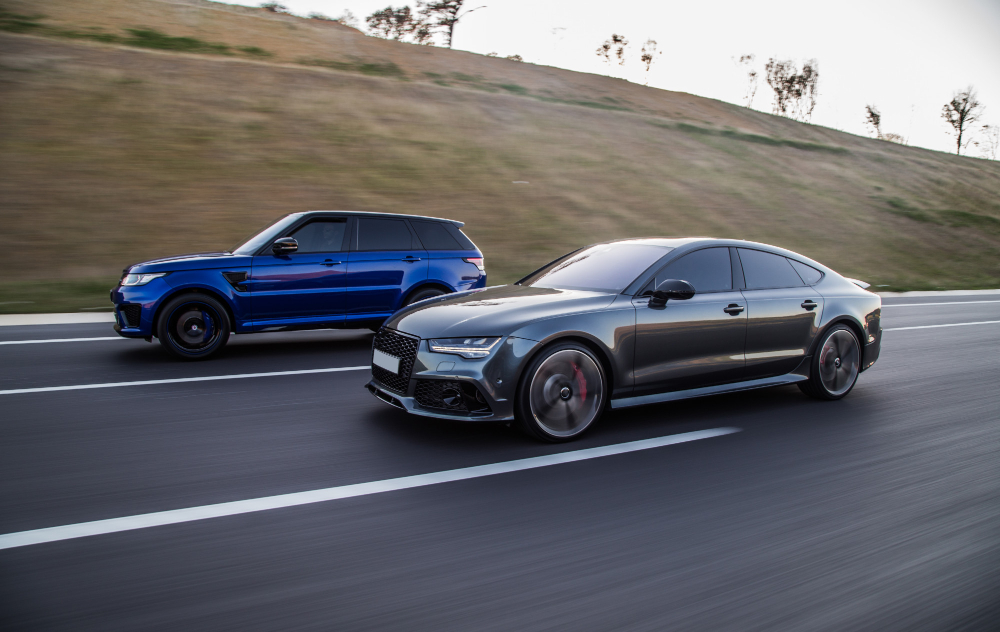
If you’ve been shopping for a premium hatchback in India, you’ve probably noticed something odd. The Toyota Glanza vs Maruti Suzuki Baleno look almost identical. They drive similarly. They even have the same engines. So what’s the deal? Are these two cars actually the same vehicle with different badges? The short answer is yes. The Toyota Glanza is essentially a rebadged Maruti Suzuki Baleno. This arrangement stems from a partnership between Toyota and Suzuki, two automotive giants that have found a way to benefit from each other’s strengths in the Indian market. Let’s break down exactly why these cars are twins and what it means for you as a buyer. The Partnership Behind the Badge In 2017, Toyota and Suzuki signed a memorandum of understanding to explore collaboration opportunities. By 2019, they formalized a partnership that would allow both companies to share technology, manufacturing facilities, and vehicle platforms. The reasoning was straightforward. Suzuki dominates the small car segment in India but wanted access to Toyota’s hybrid technology and global reach. Toyota, meanwhile, wanted to expand its presence in India’s highly competitive compact car market without investing heavily in developing new small car platforms from scratch. This partnership resulted in badge engineering, where one manufacturer produces a vehicle that another company sells under a different brand name with minor cosmetic changes. The Glanza became the first product of this collaboration when it launched in June 2019. What Makes Them Identical Platform and Architecture Both the Glanza and Baleno are built on Suzuki’s Heartect platform. This lightweight yet rigid architecture forms the foundation of several Maruti Suzuki vehicles. The platform design, dimensions, wheelbase, and structural elements remain identical across both models. The cars share the same 3990mm length, 1745mm width, and 1500mm height. The wheelbase measures 2520mm in both vehicles. Even the ground clearance of 170mm stays consistent. From a structural standpoint, these are the same car. Engine and Performance Under the hood, you’ll find identical powertrains, including the reliable Toyota Glanza engine configuration. Both vehicles currently offer a 1.2-liter four-cylinder petrol engine that produces 90 PS of power and 113 Nm of torque. The transmission options are also the same: a five-speed manual or an automated manual transmission (AMT).The fuel efficiency figures match perfectly. Manual variants of both cars deliver around 22.35 km/l, while the AMT versions offer approximately 22.94 km/l. These numbers come from identical engine tuning and weight distribution.Performance characteristics like acceleration, top speed, and handling feel virtually the same because the suspension setup, steering mechanism, and brake systems are shared components. Interior and Features Step inside either vehicle and you’ll notice the similarities continue. The dashboard layout, instrument cluster, infotainment system, and control placements are identical. Both cars feature a 9-inch SmartPlay Pro+ touchscreen with wireless Android Auto and Apple CarPlay compatibility. Safety features match across the lineup. Six airbags come standard on higher variants of both models. Electronic stability control, hill hold assist, and rear parking sensors appear in comparable trim levels. The cars even share the same 328-liter boot capacity. Seating comfort, material quality, and interior space remain consistent because both vehicles use the same cabin architecture and components sourced from the same suppliers. The Subtle Differences While the Glanza and Baleno are mechanically identical, Toyota has made a few cosmetic changes to differentiate the Glanza. Exterior Styling The most noticeable difference sits at the front. The Glanza sports a redesigned front grille with a mesh pattern and chrome accents that align with Toyota’s design language. The Toyota logo replaces the Suzuki emblem, and the headlamp cluster receives minor tweaks in some variants. The rear gets similar treatment with a different bumper design and Toyota badging. Some variants feature unique alloy wheel designs, though the wheel size remains the same. These changes are purely aesthetic. The body panels, door handles, mirrors, and overall silhouette stay identical to the Baleno. Warranty and Service Here’s where Toyota adds real value. The Glanza comes with Toyota’s warranty coverage, which historically has been more comprehensive than Maruti Suzuki’s offering. Toyota provides a three-year/100,000 km warranty compared to Maruti’s two-year/40,000 km standard warranty (though extended warranties are available). Toyota’s service network, while smaller than Maruti’s extensive reach, is known for quality service standards. Customers at Toyota Castle and other authorized dealerships often report more personalized attention and thorough service procedures. Pricing Strategy Toyota typically prices the Glanza slightly lower than corresponding Baleno variants. This pricing strategy helps Toyota attract buyers who might be comparing both options. The difference usually ranges from Rs. 10,000 to Rs. 30,000 depending on the variant. However, discounts and offers vary by dealership and time of year, so the actual on-road price difference can fluctuate. Why This Arrangement Makes Sense For Suzuki Maruti Suzuki gets to utilize its manufacturing capacity more efficiently. The company produces both vehicles at the same facility, spreading fixed costs across higher production volumes. This partnership also strengthens Suzuki’s relationship with Toyota globally, opening doors for future collaborations. For Toyota Toyota Glanza gains access to a proven product in a segment where it previously had limited presence. The Glanza allows Toyota to offer a competitive premium hatchback without the time and expense of developing a new model. The company can focus its resources on areas where it has technical advantages, like hybrid and electric vehicle technology. For Customers Buyers benefit from having choices. If you prefer Toyota’s brand reputation, service network, or warranty terms, you can choose the Glanza. If you value Maruti’s extensive service network and parts availability, the Baleno might suit you better. Both options deliver the same reliable package. How Manufacturing Works Both vehicles roll off the same production line at Maruti Suzuki’s facility in Gujarat. The manufacturing process remains identical until the final stages, where Toyota-specific badges, grilles, and other cosmetic elements get installed on Glanza units. This shared production allows for quality consistency. The same workers, using the same tools and processes, build both cars to the same specifications. Quality control measures apply equally to both models.
Is Toyota Glanza a Good Car
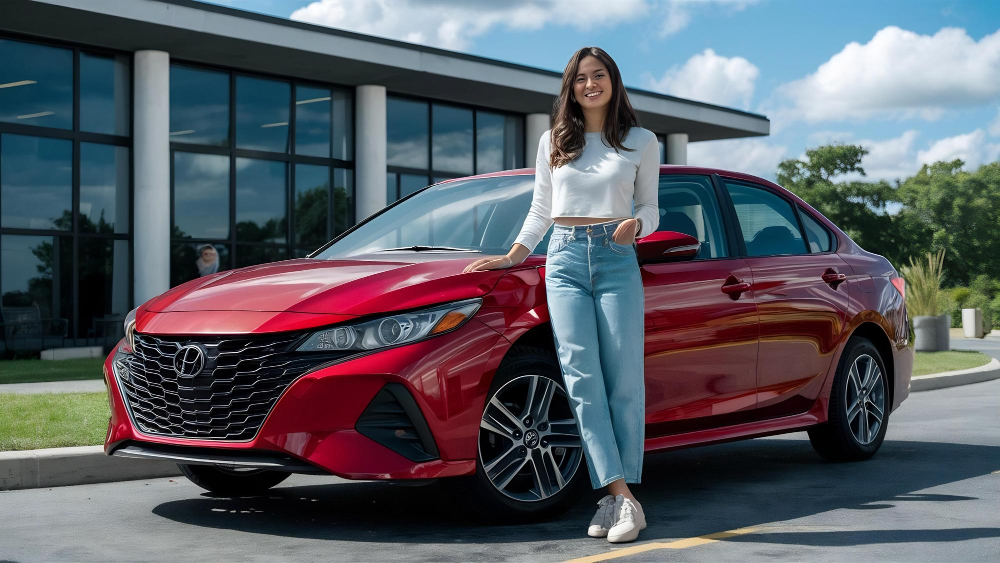
Choosing a premium hatchback can feel overwhelming, especially when you’re deciding between popular options like the Toyota Glanza, Maruti Baleno, Hyundai i20, and Tata Altroz. The Toyota Glanza has been making waves in the Indian market since its launch, but the big question remains: is it actually worth your money? This guide breaks down everything you need to know about the Glanza. We’ll cover its real-world performance, safety features, pricing, maintenance costs, and how it compares to its rivals. By the end, you’ll have a clear picture of whether this hatchback fits your needs. What Exactly Is the Toyota Glanza? The Toyota Glanza is a premium hatchback based on the Maruti Suzuki Baleno. It’s part of a partnership between Toyota and Suzuki, where both companies share platforms and technology. While the Glanza shares its underpinnings with the Baleno, Toyota adds its own badge and warranty package to differentiate the offering. The car is available in multiple variants: E, S, G, and V. You can choose between manual and AMT (automated manual transmission) options for most variants. The Glanza also offers a CNG option in S and G variants for those looking to save on fuel costs. Here’s what makes the Glanza stand out from its Suzuki twin: Engine Performance and Driving Experience The Toyota Glanza comes with a 1.2-liter K-Series DualJet Dual VVT petrol engine. This naturally aspirated four-cylinder engine produces 89 bhp at 6,000 rpm and 113 Nm of torque at 4,400 rpm. While these numbers might not sound exciting on paper, the engine delivers adequate power for city driving and highway cruising. Real-world performance tells a different story than spec sheets. In city traffic, the Glanza feels responsive with smooth acceleration from standstill. The light steering makes maneuvering through tight parking spots easy. Highway performance is decent, though you’ll notice the engine working harder during overtaking maneuvers above 80 km/h. The 5-speed manual transmission is smooth, with well-defined gates that make gear changes effortless. The AMT option works well for those who prefer two-pedal driving, though it’s not as refined as a CVT or torque converter automatic. There’s a slight lag during gear changes, and it can feel jerky in stop-and-go traffic. CNG variants produce 77.5 PS with 98.5 Nm of torque. The power drop is noticeable, but the trade-off comes in running costs. CNG variants deliver an impressive fuel efficiency of 30.61 km/kg according to ARAI. Fuel Efficiency: Does It Live Up to Claims? Fuel efficiency is one area where the Glanza truly shines. The ARAI-certified mileage figures are: Real-world mileage typically falls slightly below these figures. Most owners report around 17-19 kmpl in city conditions and 20-22 kmpl on highways with the petrol variants. The AMT tends to deliver better fuel economy than the manual in heavy traffic. For comparison, the Hyundai i20 delivers around 20 kmpl, while the Tata Altroz returns similar figures to the Glanza. If fuel efficiency is your top priority, the Glanza and Baleno are hard to beat in this segment. Safety Features: What Protection Does It Offer? Safety has become a major consideration for Indian car buyers, and the Glanza comes equipped with several protective features. As of July 2025, all variants now come with six airbags as standard, a significant improvement that puts it ahead of many competitors. Standard safety equipment includes: The higher-spec G and V variants also feature a heads-up display, which projects speed and other information onto the windshield, allowing you to keep your eyes on the road. Safety Ratings: How Does It Measure Up? The Toyota Glanza has not undergone crash testing by Global NCAP or Bharat NCAP yet. Since it shares its platform with the Maruti Baleno, the Baleno’s recent Bharat NCAP results provide some insight. The Maruti Baleno scored: While the Glanza is expected to receive similar ratings when tested, potential buyers should note that the Tata Altroz has already achieved a five-star Global NCAP rating. If safety is your absolute top priority, the Altroz currently leads on paper. Crash test results showed that the Baleno (and by extension, the Glanza) provided good protection for head and neck in frontal offset tests. Protection for chest, pelvis, and tibia ranged from marginal to adequate. Side impact and pole impact tests showed good overall performance. Interior Space and Comfort The Glanza offers a spacious cabin for a hatchback. Here’s what you get in terms of dimensions: Front seat occupants get plenty of headroom and legroom. The driver’s seat offers good visibility, and the high seating position gives you a commanding view of the road. The seats are comfortable for long drives, though they lack thigh support for taller passengers. Rear seat space is one of the Glanza’s strong points. Three adults can sit reasonably comfortably, though the middle passenger might find the rear AC vent panel protruding into their legroom. The rear bench doesn’t recline, and there’s no rear armrest even in top variants. Boot space at 318 liters is adequate for weekend trips or grocery runs. You can fit two large suitcases and a couple of small bags. The 60:40 split-folding rear seats add versatility when you need to carry longer items. The loading lip is somewhat high, which can make loading heavy items challenging. Features and Technology The Toyota Glanza comes loaded with features, especially in higher variants. Here’s what you get depending on the trim level: Infotainment and Connectivity: Comfort Features: Convenience Features: One notable omission is a sunroof, which competitors like the Hyundai i20 and Tata Altroz offer. If a sunroof is on your must-have list, you’ll need to look elsewhere. The infotainment system is responsive and easy to use. The 9-inch screen size is adequate, and the wireless smartphone connectivity works well. The Arkamys-tuned sound system delivers clear audio, though audiophiles might find it lacking bass depth. Build Quality and Reliability Toyota has a reputation for reliability, and the Glanza benefits from this brand image. The car is built at Maruti’s facility using the HEARTECT platform, which is known for
Which Engine Is Used in Toyota Glanza
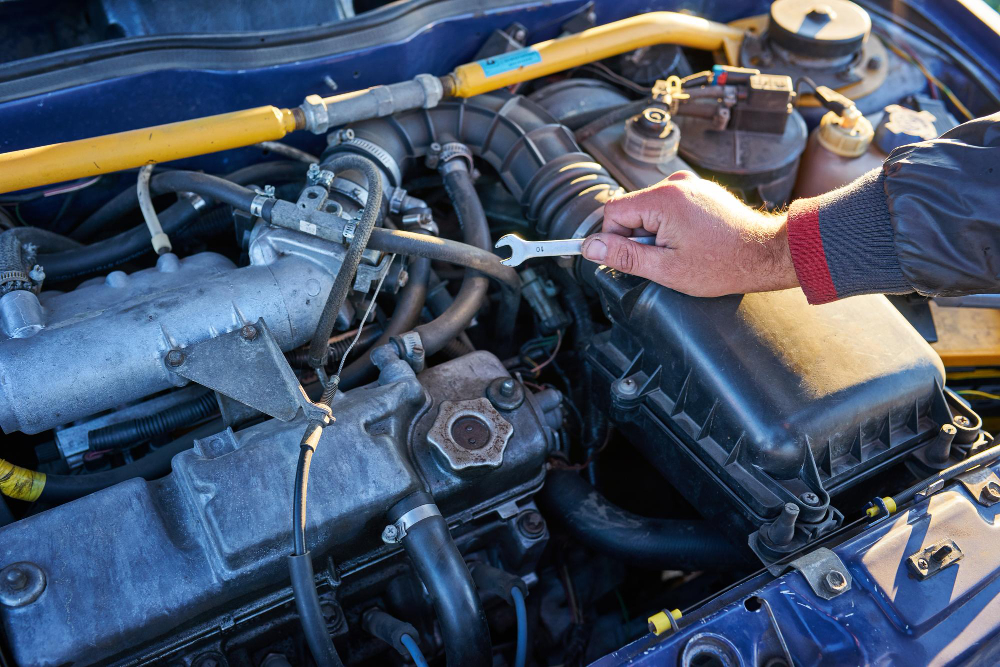
The Toyota Glanza has become a popular choice in India’s premium hatchback segment since its launch. If you’re considering this vehicle, understanding its engine specifications is a key part of your research. This guide breaks down everything you need to know about the engine powering the Glanza. Understanding the Toyota Glanza Engine Lineup The Toyota Glanza comes with a 1.2-liter naturally aspirated petrol engine and a 1.2-liter CNG option. Both variants share the same displacement but deliver different performance characteristics based on the fuel type. The petrol engine uses Suzuki’s K12N 1.2-liter, four-cylinder, DualJet technology. This four-cylinder configuration ensures smooth power delivery and better balance compared to three-cylinder alternatives. DualJet technology refers to the dual fuel injection system, where each cylinder gets two fuel injectors instead of one, allowing for more precise fuel delivery and improved combustion. Petrol Engine Specifications Let’s break down what makes the petrol engine tick: The 1.2-liter naturally aspirated petrol engine produces 90PS of power at 6000rpm and 113Nm of torque at 4400rpm. This power output makes it suitable for city commutes and highway cruising without feeling underpowered. The engine comes with two transmission options. You can choose between a 5-speed manual or a 5-speed AMT (Automated Manual Transmission). The manual transmission gives you more control over gear selection, while the AMT provides the convenience of automatic shifting without the complexity of a traditional automatic gearbox. The displacement of 1197cc positions the Glanza in the compact yet capable category. This size strikes a balance between performance and fuel economy, making it practical for daily driving. CNG Variant Details For buyers looking to reduce fuel costs, the CNG option presents an attractive alternative. The CNG engine produces 78PS of power at 6000rpm and 99Nm of torque at 4300rpm with a 5-speed manual transmission. The reduction in power and torque compared to the petrol variant is typical for CNG engines due to the lower energy density of compressed natural gas. However, the CNG variant compensates with significantly better running costs and lower emissions. The CNG system maintains the same 1197cc displacement as the petrol engine. This means the basic engine architecture remains unchanged, with the fuel delivery system adapted to handle compressed natural gas instead of petrol. Real-World Performance How does this engine perform in everyday conditions? The answer depends on your driving style and expectations. In city traffic, the engine is quick and progressively gains speed, making overtaking easy without waiting for power. The light clutch and smooth gear changes in the manual version make stop-and-go traffic less tiring. The AMT adds convenience for urban commutes, though gear shifts are noticeable compared to conventional automatics. On highways, the engine maintains comfortable cruising speeds. The refinement means you won’t hear excessive engine noise even at higher RPMs. The naturally aspirated design delivers linear power, meaning the acceleration feels predictable and smooth rather than sudden. Fuel Economy and Efficiency One major consideration for hatchback buyers is running costs. The Toyota Glanza delivers a mileage between 22.35 to 22.94 kmpl depending on the transmission and variant. The manual transmission achieves around 22.35 kmpl, while the AMT slightly edges ahead at 22.94 kmpl in ARAI testing. The CNG variant takes fuel economy to another level. The ARAI-claimed mileage for CNG is 30.61 km/kg, making it one of the most economical options in its segment. These figures represent ideal test conditions. Real-world mileage typically ranges between 13–18 kmpl in city conditions and 17–22 kmpl on highways for petrol variants, depending on driving style and traffic conditions. When comparing fuel efficiency across diesel-vs-petrol-cars, the Glanza’s petrol and CNG options remain strong choices for budget-friendly daily running. Engine Technology and Features The K12N engine incorporates several modern technologies that improve its overall performance and efficiency. The DualJet fuel injection system is a standout feature. By having two injectors per cylinder instead of one, the system can atomize fuel more finely and distribute it more evenly throughout the combustion chamber. This leads to more complete combustion, better fuel economy, and lower emissions. The engine includes idle stop-start technology, which automatically shuts off the engine when the vehicle is stationary and restarts it when you’re ready to move. This feature particularly helps in heavy traffic by reducing unnecessary fuel consumption during long waits at traffic signals. The naturally aspirated design means there’s no turbocharger involved. While turbocharged engines offer more power from smaller displacements, naturally aspirated engines like the one in the Glanza tend to be more reliable and require less maintenance over time. Comparing With Market Alternatives The Glanza shares its engine with the Maruti Suzuki Baleno, as both vehicles are part of a partnership between Toyota and Suzuki. Both hatchbacks are powered by the same 90hp, 113Nm, 1.2-liter, four-cylinder, DualJet K12N petrol engine. This engine competes well against rivals like the Hyundai i20, Tata Altroz, and other premium hatchbacks. While some competitors offer turbocharged engines with higher peak power, the Glanza’s engine focuses on refinement, reliability, and daily usability. The four-cylinder configuration gives the Glanza smoother operation compared to three-cylinder engines found in some competing models. You’ll notice less vibration and a more refined sound at higher speeds. Transmission Options Explained Choosing between manual and AMT depends on your driving preferences and daily commute conditions. The 5-speed manual transmission suits drivers who prefer complete control. It offers engaging driving dynamics and typically delivers slightly better real-world fuel economy when driven efficiently. The clutch action is light, making it manageable even in heavy traffic. The 5-speed AMT provides automatic convenience without the cost premium of conventional automatics or CVTs. The AMT is programmed to upshift to the highest gear at the earliest opportunity for better efficiency. While gear changes are somewhat noticeable, this transmission makes daily commutes less stressful, especially in congested city conditions. The CNG variant only comes with the manual transmission. This is typical for CNG vehicles, as automated transmissions are less common in this fuel category. Maintenance and Reliability The K12N engine comes from Suzuki’s proven K-series family, which has millions
All You Need to Know About Toyota Fortuner Legender
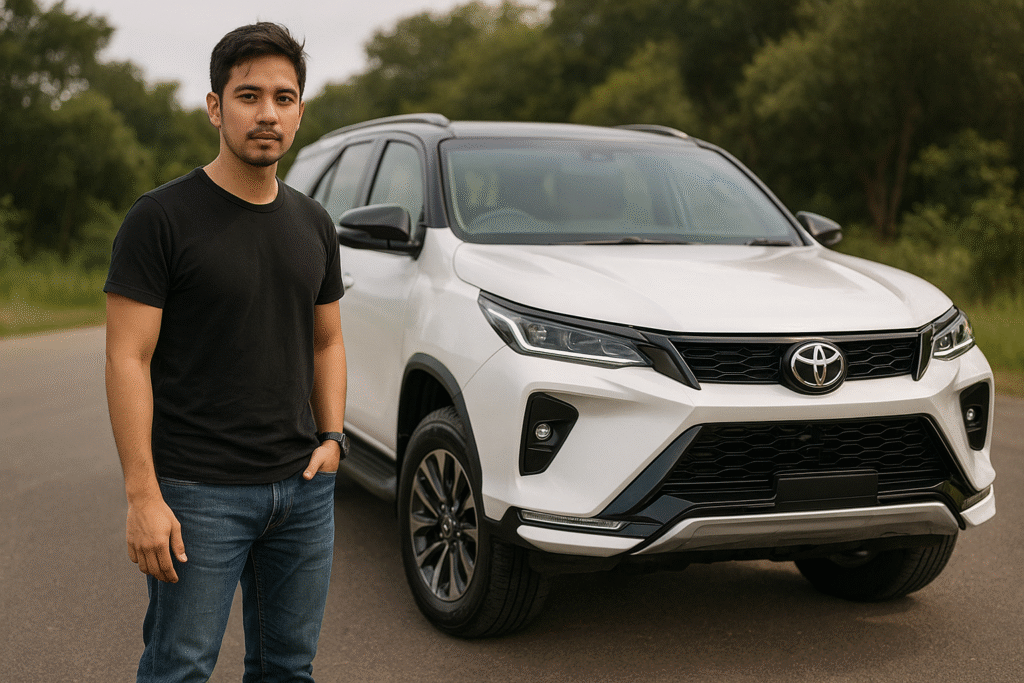
The Toyota Fortuner Legender stands as one of the most sought-after premium SUVs in India’s automotive market. This commanding seven-seater combines aggressive styling with reliable performance, making it a top choice for families and adventure seekers alike. Whether you’re planning highway cruises or off-road excursions, the Legender variant offers a perfect blend of luxury and capability. What Makes the Toyota Fortuner Legender Different? The Toyota Legender variant distinguishes itself from the standard Fortuner through several key design and feature upgrades. While both share the same mechanical foundation, the Legender takes a bolder approach to styling and premium appointments. At the front, the Legender features split quad-LED headlamps with sequential turn indicators, creating a distinctive nighttime signature. The sportier front grille incorporates more aggressive detailing, while the redesigned bumper adds muscular appeal. Blacked-out elements throughout the exterior, including the roof and mirrors, create a sophisticated two-tone appearance that turns heads on any road. The side profile showcases dynamic alloy wheels and character lines that emphasize the SUV’s imposing stance. At the rear, redesigned LED tail lamps and a roof spoiler complete the athletic aesthetic. These styling enhancements make the Legender instantly recognizable and position it as the more premium offering in the Fortuner lineup. Engine Performance and Driving Experience Under the hood, the Toyota Fortuner Legender packs a 2.8-liter four-cylinder turbocharged diesel engine. This powerplant generates 201 bhp at 3000-3400 rpm and delivers a substantial 500 Nm of torque between 1600-2800 rpm. The engine pairs with either a six-speed automatic or manual transmission, depending on the variant. The 2025 model year introduced the Neo Drive 48V variant, which adds a mild-hybrid system to the existing diesel engine. This 48-volt technology provides several benefits. The boost assist function enhances acceleration through smoother torque delivery during overtaking maneuvers. The system also enables quieter engine starts, reduces strain on the engine, and contributes to improved fuel efficiency in urban driving conditions. Drivers can select between multiple drive modes including Eco, Normal, and Power settings. Each mode adjusts throttle response and transmission behavior to match different driving scenarios. The Power mode delivers sharper acceleration for highway driving and overtaking, while Eco mode prioritizes fuel efficiency for city commutes. Off-road capability remains a strong suit. The four-wheel-drive variants come equipped with features like Hill Assist Control and traction control systems that help navigate challenging terrain. The high ground clearance of 225 mm allows the Legender to tackle rough roads and water crossings with confidence. Interior Comfort and Features Step inside the Toyota Fortuner Legender, and you’ll find a cabin that balances functionality with premium touches. Dual-tone leather upholstery covers the seats, with soft-touch materials used throughout the dashboard and door panels. The driver and front passenger benefit from eight-way electrically adjustable seats, allowing personalized comfort for long journeys. Ventilated front seats provide relief during hot weather, while automatic climate control with rear AC vents ensures all three rows remain comfortable. The seven-seater configuration accommodates families easily, though the third row works best for children or shorter trips. Technology features prominently in the cabin experience. An eight-inch touchscreen infotainment system serves as the command center, offering navigation, multimedia playback, and vehicle settings. Android Auto and Apple CarPlay integration allow smartphone connectivity, while wireless charging keeps devices powered without cables. Multiple USB ports throughout the cabin ensure passengers can charge devices on the go. The steering wheel incorporates multifunction controls for audio, phone, and cruise control operations. This keeps your hands on the wheel and eyes on the road. A digital instrument cluster provides clear information on speed, fuel levels, and driving modes. Storage solutions abound, with cup holders, door pockets, and a cooled glove box. The boot space measures 296 liters with all seats in use, expanding significantly when you fold the third row. The 60:40 split folding rear seats add versatility for carrying larger cargo. At Castle Toyota, customers frequently praise the Legender’s interior space and the quality of materials used. The cabin creates a welcoming environment whether you’re commuting to work or embarking on weekend getaways. Safety Features and Ratings Safety stands as a priority in the Toyota Fortuner Legender. The SUV earned a 5-star safety rating from ASEAN NCAP, demonstrating its protective capabilities in crash scenarios. Seven SRS airbags provide protection for all occupants. These include dual front airbags, side airbags, curtain airbags, and a driver knee airbag. The comprehensive coverage ensures protection from multiple collision angles. Active safety systems include Vehicle Stability Control with Brake Assist, which helps maintain control during emergency maneuvers. The Anti-lock Braking System (ABS) with Electronic Brake-force Distribution (EBD) ensures optimal braking performance. Traction Control System prevents wheel slip during acceleration on slippery surfaces. Hill Assist Control proves valuable when starting on steep inclines, holding the vehicle momentarily to prevent rollback. Speed sensing door locks automatically secure all doors once the vehicle reaches a certain speed, adding security during travel. A rear camera with parking sensors assists during reversing maneuvers, making it easier to park this large SUV in tight spaces. ISOFIX child seat mounts allow secure installation of child seats, keeping younger passengers safe. The Legender includes seatbelt reminders for all seating positions, encouraging proper restraint use. Three-point seatbelts in all seven positions provide proper protection. WIL (Whiplash Injury Lessening) concept seats reduce the risk of neck injuries during rear-end collisions. Additional safety equipment includes an engine immobilizer, central locking, child safety locks, and an anti-theft alarm system with ultrasonic and glass break sensors. These features protect your investment when parked. Excited about Toyota’s new Hilux generation with hybrid power and rugged design? Read this blog for the full reveal. Variants and Pricing The Toyota Fortuner Legender comes in several variants to match different buyer preferences and budgets. The 2025 lineup includes both standard diesel and Neo Drive 48V hybrid options. The base 2.8L 4×2 AT diesel variant starts at approximately Rs. 44.51 lakh (ex-showroom). This rear-wheel-drive automatic transmission option works well for buyers who primarily drive on paved roads and want the Legender styling without the
Toyota’s New Hilux Generation Unveiled-Hybrid Power Meets Rugged Design
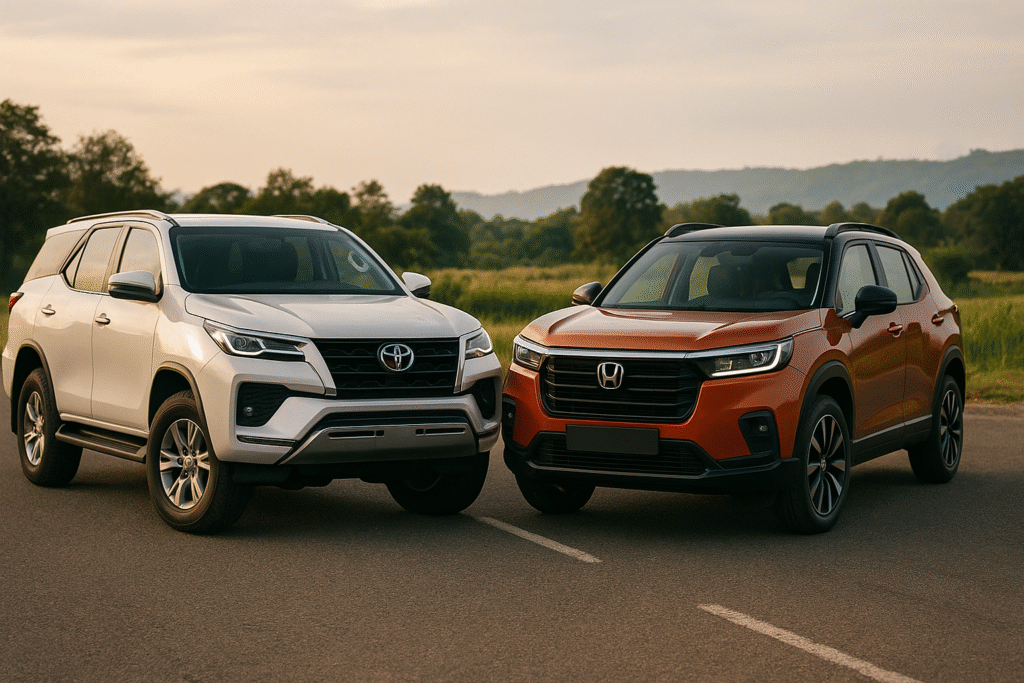
The pickup truck world has witnessed a historic moment. After a decade of waiting, Toyota has unveiled the ninth generation of the legendary Hilux, and it arrives with groundbreaking changes that blend traditional toughness with modern technology. This isn’t just another facelift. The 2025 model represents a complete reimagining of what a workhorse pickup can be. What makes this launch special? Toyota’s new Hilux enters the market as the first model in its lineup to offer multiple powertrain options, including a battery-electric version, 48-volt mild-hybrid technology, and traditional combustion engines. For buyers at Castle Toyota in Jalandhar, this means more choices to match specific driving needs. What Makes Toyota’s New Hilux Different? The ninth-generation Toyota Hilux breaks new ground by addressing both environmental concerns and practical demands. The model’s introduction takes the legendary pickup into a new era of electrified power, aligning with Toyota’s multipath philosophy. This approach recognizes that different buyers have different needs. A farmer hauling equipment across fields requires different capabilities than someone using the truck for urban deliveries. The new Hilux acknowledges this reality by offering varied powertrain choices. The first battery electric Hilux features a 59.2 kWh lithium-ion battery with front and rear eAxles providing permanent all-wheel drive. The electric motors generate 205 Nm of torque at the front and 268.6 Nm at the rear, delivering smooth power distribution across all terrains. For European markets, the 48V hybrid will become the volume seller. But traditional diesel and petrol options remain available in Eastern European markets where charging infrastructure is still developing. The 48V Mild-Hybrid System Explained The headline technology for Toyota’s new Hilux is the 48-volt mild-hybrid system. This represents the pickup’s first electrified powertrain option. Here is why this system matters: The Hilux is the first model to use the new Toyota 48V Hybrid system, which retains the strengths of the pickup’s proven 2.8-litre turbodiesel engine and introduces a new electric motor-generator, a 48V lithium-ion hybrid battery and a DC-DC converter. The system provides several practical benefits. At start-off, drivers receive up to 12 kW of additional power and 65 Nm of extra torque from the battery. This makes pulling away smoother, especially when loaded or on inclines. Fuel consumption improves by approximately 5% compared to the non-hybrid 2.8-liter diesel version. The regenerative braking function recovers energy every time drivers lift off the throttle, saving fuel and making deceleration feel more natural. The 48V battery weighs just 7.6 kg and sits beneath the rear seats, preserving cabin space. The motor-generator is located high enough on the engine to maintain the vehicle’s 700 mm wading capability, ensuring the hybrid system doesn’t compromise off-road ability. When navigating rough terrain, the electric motor-generator helps the truck overcome obstacles more smoothly. The idling speed drops by 20%, from 720 rpm to 600 rpm, giving drivers better low-speed control. Design That Commands Attention Toyota gave the Hilux a visual refresh that balances modern styling with recognizable toughness. The new exterior styling was developed on a “Tough and Agile” theme projecting a powerful look with new proportions generating a visibly strong stance. The front end features slim headlight units connected by a central bar carrying the TOYOTA name in classic lettering. The grille design projects confidence without appearing overly aggressive. Body dimensions remain practical. The double-cab format measures 5,325 mm in length, up to 1,900 mm in width, and 1,865 mm in height. The cargo bed stretches 1,555 mm, providing ample load space. Inside, the cabin receives substantial upgrades. A fully digital instrument cluster replaces analog gauges. The large touchscreen infotainment system includes Apple CarPlay and Android Auto connectivity. Higher trim levels feature heated leather seats, dual-zone climate control, and a panoramic view camera system. These changes matter for buyers who use their trucks daily. Comfort during long drives improves, and modern connectivity keeps drivers connected to their work and life. Looking for a clear comparison of Toyota Fortuner vs Honda Elevate? Read this blog to find out which is better. Performance Specifications That Deliver The 2.8-liter turbodiesel engine with mild-hybrid technology produces 201 horsepower and 500 Nm of torque. This provides enough muscle for serious work. The payload capacity reaches up to 1,000 kg and towing capacity hits 3,500 kg. Both manual and automatic transmissions are available, with the hybrid system paired exclusively with automatic gearboxes. All models come with four-wheel drive as standard, ensuring capability across varied terrain. The truck maintains 310 mm of ground clearance with approach and departure angles at 29 and 26 degrees respectively. These numbers translate to real-world off-road competence. For the battery-electric version, specifications differ. The EV produces 193 horsepower combined from front and rear motors. Payload drops to approximately 715 kg, with towing capacity at 1,600 kg. Pre-homologation data indicates a WLTP driving range of approximately 240 km. This range suits specific use cases. Farm operations, construction sites, and urban deliveries within limited areas work well. Long-haul highway driving requires more planning or a different powertrain choice. Safety Technology Keeps Everyone Protected Toyota has extended its Safety Sense suite across the Hilux range. The system includes lane departure warning, pre-collision assist with pedestrian detection, adaptive cruise control, and automatic emergency braking. A panoramic view monitor helps when maneuvering in tight spaces or reversing with trailers. The system stitches together feeds from multiple cameras to create a bird’s-eye view of the truck’s surroundings. These features represent more than checkbox items. They actively prevent accidents and reduce driver fatigue during long work days. How the New Hilux Compares to Competitors The pickup truck market has grown increasingly competitive. The Ford Ranger Raptor pushes performance boundaries. The VW Amarok targets lifestyle buyers. The new Mitsubishi Triton brings fresh competition. Toyota’s new Hilux responds by offering unprecedented powertrain variety. No other pickup currently provides electric, hybrid, diesel, petrol, and future hydrogen fuel-cell options under one model name. This flexibility matters. Buyers in markets with developed charging infrastructure can choose electric. Those in remote areas needing maximum range stick with diesel. Urban operators wanting reduced emissions