
Toyota Fortuner vs Honda Elevate – Which is Better?

Choosing between the Toyota Fortuner and Honda Elevate presents a unique dilemma for SUV buyers in India. These two models cater to different segments, budgets, and buyer expectations. The Fortuner stands as a full-size body-on-frame SUV, while the Elevate competes in the compact mid-size category. Understanding which vehicle suits your needs requires a closer look at performance, features, pricing, and real-world usability. Understanding the Size and Segment Difference The Toyota Fortuner vs Honda Elevate comparison starts with recognizing their fundamental differences. The Fortuner measures 4,795mm in length and weighs significantly more than the Elevate, which stretches to 4,312mm. This size gap translates into distinct driving experiences and ownership costs. The Fortuner offers seating for seven passengers and comes with powerful diesel and petrol engine options, making it suitable for families who frequently travel long distances or require genuine off-road capability. The Elevate accommodates five passengers and focuses on urban commuting with better fuel economy. Castle Toyota in Jalandhar offers both models, allowing buyers to experience these differences firsthand through test drives and expert consultation. Price Point Analysis: Investment vs Affordability When comparing Toyota Fortuner vs Honda Elevate pricing, the gap is substantial. The Fortuner starts at Rs. 33.65 lakh and extends up to Rs. 48.85 lakh (ex-showroom). The Elevate begins at Rs. 10.99 lakh with prices reaching approximately Rs. 16.67 lakh (ex-showroom). This three-fold price difference reflects their distinct market positioning. The Fortuner targets buyers seeking premium build quality, commanding road presence, and the ability to tackle challenging terrain. The Elevate appeals to those who want a practical, feature-rich SUV without the premium price tag. Budget-conscious buyers will find the Elevate more accessible, while those prioritizing status, space, and capability will lean toward the Fortuner. Engine Performance and Power Delivery Performance separates these vehicles considerably. The Fortuner offers a 2.7-litre petrol engine producing 166hp and 245 Nm, or a 2.8-litre diesel engine delivering 204hp and 500 Nm. The diesel variant comes with both manual and automatic transmission options, plus 4×4 capability in higher trims. The Elevate uses a single 1.5-litre i-VTEC four-cylinder petrol engine producing 121hp and 145Nm of torque, paired with a 6-speed manual or CVT automatic transmission. This naturally aspirated engine prioritizes smoothness and reliability over raw power. For highway cruising, towing, or carrying heavy loads, the Fortuner’s diesel engine provides ample torque. The Elevate’s petrol engine suits city driving and occasional highway trips where extreme power isn’t necessary. Castle Toyota customers often choose based on their primary driving scenarios. Long-distance travelers and those needing towing capacity prefer the Fortuner, while daily commuters appreciate the Elevate’s ease of use. Want a clear comparison of Honda CRV vs Toyota Fortuner? Read this blog to find out which SUV suits you best. Fuel Economy: Running Costs Matter Fuel efficiency plays a major role in long-term ownership costs. The Fortuner’s 2.7-litre petrol automatic delivers 10.3 kmpl, while diesel variants offer 14.35 to 14.6 kmpl. The recently introduced mild-hybrid diesel system improves efficiency slightly. The Elevate returns 15.31 kmpl with the manual transmission and 16.92 kmpl with the CVT automatic. These figures represent better economy, translating to lower fuel expenses over time. Here is a quick comparison: For buyers covering 15,000-20,000 km annually, the Elevate’s superior fuel economy can save thousands of rupees yearly. Interior Space and Comfort The Fortuner offers a 2,745mm wheelbase, providing generous legroom across all three rows. The third row accommodates adults for short trips, though it’s more suited for children on longer journeys. Boot space measures 296 litres with all seats up, expandable when folding rear seats. The Elevate provides seating for five with comfortable space for passengers. Its 458-litre boot surpasses the Fortuner’s cargo capacity with seats up, making it practical for luggage and shopping. Material quality differs between these models. The Fortuner uses premium materials throughout its cabin, creating a more upscale environment. The Elevate employs good-quality plastics and soft-touch materials where it counts, offering a pleasant but less luxurious atmosphere. Both vehicles provide comfortable seating for long drives, though the Fortuner’s larger dimensions and suspension setup deliver a more cushioned ride on rough roads. Feature Sets and Technology The Fortuner comes with an 8-inch touchscreen infotainment system supporting wired Android Auto and Apple CarPlay. Higher trims include an 11-speaker JBL sound system, ventilated front seats, dual-zone climate control, wireless phone charging, and a 360-degree camera in select variants. The Elevate features a 10.25-inch touchscreen with wireless Android Auto and Apple CarPlay. Top models include Level 2 ADAS (Advanced Driver Assistance Systems), ambient lighting, a single-pane sunroof, and Honda’s signature LaneWatch camera for the left side. The Elevate’s ADAS suite includes adaptive cruise control, lane-keeping assist, and collision mitigation braking. These safety features aren’t standard on the Fortuner, giving the Elevate an edge in modern driver assistance technology. Buyers at Castle Toyota often prioritize features based on their needs. Families wanting entertainment systems favor the Fortuner’s JBL speakers, while safety-conscious buyers appreciate the Elevate’s ADAS capabilities. Off-Road Capability: True Adventure vs Urban Exploration The Fortuner excels in off-road situations with high ground clearance and robust suspension setup. The 4×4 diesel variants feature electronic drive control, differential lock, and downhill assist control. Ground clearance stands at 225mm, allowing it to navigate rough terrain, steep inclines, and water crossings. The Elevate offers 220mm ground clearance, which handles broken roads and speed bumps well. Its monocoque construction and front-wheel-drive layout make it suitable for light off-roading like dirt trails and rural roads, but it lacks the Fortuner’s hardcore capability. Adventure enthusiasts, farmers, and those living in areas with challenging road conditions should choose the Fortuner. Urban and suburban buyers who occasionally venture onto unpaved roads will find the Elevate sufficient. Safety Standards and Build Quality Both vehicles prioritize passenger safety but approach it differently. The Elevate scored a 5-star rating in Japanese NCAP crash safety testing. It includes six airbags, ABS with EBD, rear parking sensors, a rearview camera, and Vehicle Stability Assist. The Fortuner uses body-on-frame construction, providing exceptional structural rigidity. It comes with seven airbags,
Honda CRV vs Toyota Fortuner: Which SUV Is Right for You?

Choosing between the Honda CR-V and Toyota Fortuner can feel like comparing apples to oranges. Both SUVs have earned their reputations in the Indian market, but they cater to different needs and lifestyles. If you’re standing in a showroom like Castle Toyota in Jalandhar, trying to decide which one deserves a spot in your driveway, you’re not alone. This comparison breaks down what each SUV offers so you can make the right call. Understanding the Two Contenders Before we get into specifics, let’s be clear about what we’re comparing. The Honda CR-V positions itself as a refined, urban-friendly crossover with car-like handling. The Toyota Fortuner, on the other hand, is a body-on-frame SUV built for both highways and rough terrain. Think of it this way: the CR-V is your comfortable daily commuter, while the Fortuner is the vehicle you’d trust to take you anywhere, on or off the road. Price and Value Proposition When it comes to the Honda CR-V vs Toyota Fortuner debate, price plays a big role. The CR-V was previously available in India starting around ₹28.34 lakh (ex-showroom) before it was discontinued. The Fortuner, currently available at dealerships like Castle Toyota, starts at ₹33.65 lakh and goes up to ₹48.85 lakh depending on the variant. Here’s what that price difference tells you. The CR-V offered a premium crossover experience at a slightly lower entry point. The Fortuner commands a higher price tag but justifies it with serious off-road capability, a body-on-frame construction, and the kind of road presence that turns heads. Engine Performance and Power Delivery The Honda CR-V came with a 1.5-liter turbocharged petrol engine producing 190 horsepower and 243 Nm of torque. This engine delivered peppy performance for city driving and highway cruising, paired with a CVT transmission that kept things smooth. The Toyota Fortuner offers two engine options. The petrol variant features a 2.7-liter engine making 166 horsepower and 245 Nm of torque. The diesel, which is more popular in India, comes with a 2.8-liter turbo diesel producing 204 horsepower and a muscular 500 Nm of torque. That torque figure is what gives the Fortuner its towing capability and off-road prowess. If you need raw power and torque for towing or tackling challenging terrain, the Fortuner diesel wins this round. For smooth, efficient city driving, the CR-V’s turbocharged setup was hard to beat. Fuel Economy: Daily Running Costs Fuel efficiency matters when you’re driving daily. The Honda CR-V delivered around 14.4 kmpl, which is respectable for a vehicle of its size. The CR-V hybrid variant available in some markets could achieve even better numbers. The Toyota Fortuner diesel returns approximately 14.35 to 14.6 kmpl in automatic variants, while the manual diesel gets about 14.44 kmpl. The petrol Fortuner drops to around 10.3 kmpl. For daily commuting, the CR-V had a slight edge in fuel economy. But if you’re choosing between Fortuner diesel variants at Castle Toyota, you’ll find the mileage is competitive for such a large, capable SUV. Interior Space and Comfort Both SUVs offer seven seats, but they approach interior design differently. The Honda CR-V focused on maximizing interior volume with smart packaging. Its cabin felt airy and spacious, with comfortable seating across all three rows. The second row was particularly generous, making it great for families. Materials quality was good, with a modern dashboard layout and intuitive controls. The Toyota Fortuner feels more upright and commanding. The first two rows are spacious and comfortable, though the third row is best suited for kids or occasional use. The Fortuner’s cabin emphasizes durability and functionality over outright luxury. Recent updates have added features like ventilated front seats, wireless charging, and an improved infotainment system, keeping it relevant in today’s market. If you prioritize passenger comfort for all three rows, the CR-V had a slight advantage. If you want that elevated, commanding driving position and don’t mind a more utilitarian third row, the Fortuner fits the bill. Excited about the 2026 Toyota Fortuner’s new features and styling? Read this blog for the full update. Off-Road Capability and Driving Dynamics This is where the Honda CR-V vs Toyota Fortuner comparison shows the biggest difference. The Honda CR-V was designed for on-road driving. It handled like a larger sedan with light, responsive steering and good body control. Ground clearance was adequate for Indian roads, but serious off-roading wasn’t its forte. All-wheel drive was available in some markets, but the CR-V’s monocoque construction limited how rough you could get. The Toyota Fortuner is built on a ladder frame chassis, the same type used in pickup trucks. It offers genuine 4×4 capability in higher variants, with features like differential lock, downhill assist, and multiple terrain modes. Ground clearance of 225mm and approach/departure angles make it capable of handling water crossings, rocky trails, and steep inclines that would stop the CR-V cold. If your driving stays on paved roads, the CR-V’s car-like dynamics were more pleasant. If you need a vehicle that can handle rural roads, beach sand, or mountain trails, the Fortuner is the obvious choice. Features and Technology Both SUVs pack modern features, though their approaches differ. The Honda CR-V came with an 8-inch touchscreen, wireless Apple CarPlay and Android Auto, digital driver display, LED lighting, and comprehensive safety features including Honda Sensing (in select markets). The focus was on connectivity and driver assistance. The Toyota Fortuner at Castle Toyota comes with an 8-inch touchscreen (9-inch in some variants), wireless charging, 360-degree camera, dual-zone climate control, and an 11-speaker JBL sound system in higher trims. The Neo Drive variants add Toyota’s 48V mild-hybrid system for better fuel efficiency. Safety equipment includes multiple airbags, stability control, hill assist, and various active safety features. The CR-V felt more tech-forward with its interface and driver aids. The Fortuner counters with practical features like a larger fuel tank (80 liters vs 57 liters) and better ground clearance, which matter more in real-world Indian driving conditions. Safety Credentials Both SUVs take safety seriously, though testing data varies by market. The Honda CR-V
New 2026 Toyota Fortuner to Get New Features and Styling
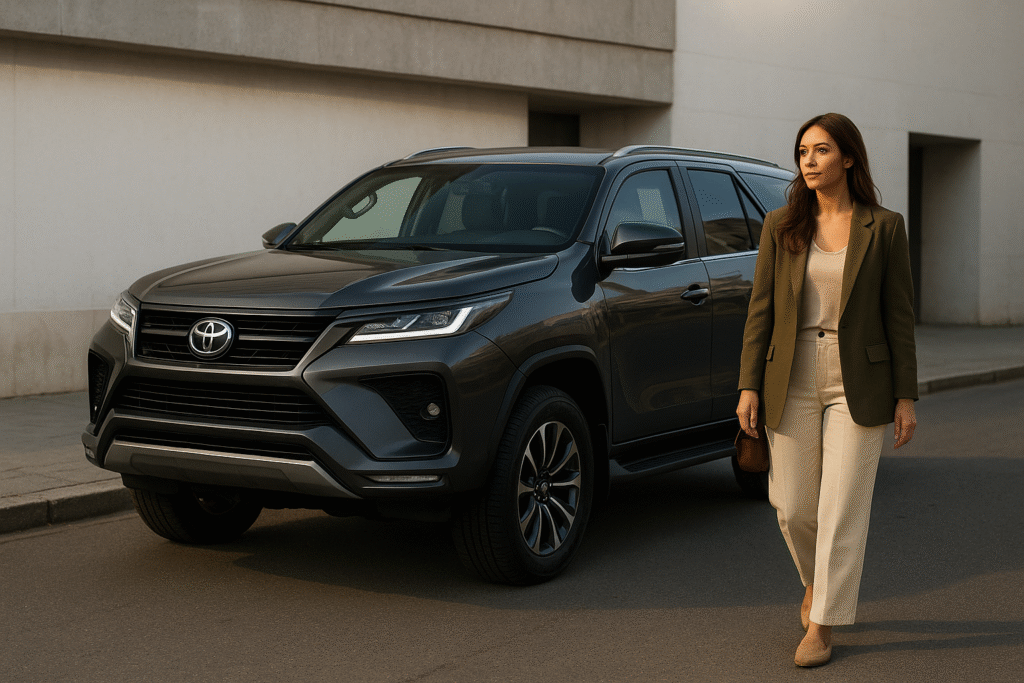
The Toyota Fortuner has been the go-to choice for buyers seeking a rugged SUV that doesn’t compromise on comfort. After years of minimal updates, the 2026 model is set to bring fresh changes that many have been waiting for. If you’re tracking what’s next for this popular seven-seater, here’s what the upcoming Toyota Fortuner new features and styling updates could mean for you. What’s Changing in the 2026 Fortuner The next-generation Fortuner is expected to be based on an updated version of the IMV platform, the same underpinning the current Fortuner and HiLux, with major updates being applied to both the exterior styling and the interior design. This means buyers can expect a vehicle that stays true to its proven foundation while bringing modern refinements where they matter most. The 2026 Toyota Fortuner is likely to share several design elements, features and components with the next-gen Toyota Hilux, which helps Toyota streamline production while delivering consistent quality across its lineup. For those who appreciate the Fortuner’s reliability, this connection to the Hilux platform is reassuring. Exterior Design Updates: Toyota Fortuner New Features & Styling The front of the 2026 Fortuner is getting attention. The updates include a more aggressive front grille section with sleek new LED headlamps with integrated LED DRLs and a rugged bumper with a solid skid plate. These changes give the SUV a bolder road presence while maintaining the muscular stance Fortuner buyers expect. The bumper has been redesigned for a more aggressive look, with larger air intakes and integrated fog lamps. The sculpted hood and flared wheel arches continue to define the Fortuner’s commanding appearance. At the rear, you’ll find updated LED tail lamps and a sportier overall look that balances modern design with the SUV’s tough character. Castle Toyota dealerships will likely showcase these design updates once the vehicle launches, giving prospective buyers a chance to see how the styling evolution fits with their preferences. Interior Comfort and Technology Step inside, and the 2026 Fortuner reveals where Toyota focused much of its attention. The biggest change is the free-standing 12.3-inch infotainment touchscreen, along with a new steering wheel with multimedia controls, wireless Apple CarPlay and Android Auto, a fully digital instrument cluster, and an electric parking brake. The dashboard features a layered layout and will be more upscale than the one found in the outgoing version, with two prominent 12.3-inch displays serving as the digital instrument cluster and freestanding touchscreen for infotainment duties. This dual-screen setup brings the Fortuner closer to what buyers find in more premium SUVs. The cabin uses higher-quality materials throughout, with soft-touch surfaces and improved ergonomics. Seats are wider and offer better cushioning for long drives, while rear passengers get generous legroom and headroom. Multiple storage spaces and thoughtful cabin organization show Toyota’s attention to everyday practicality. For families who spend hours on the road or take frequent weekend trips, these interior upgrades make a real difference. Castle Toyota customers who test drive the new Fortuner will immediately notice the more refined cabin environment compared to the outgoing model. Curious why the new Fortuner is worth it? Read this blog to find out. Engine Options and Powertrain The current Toyota Fortuner comes with two engine alternatives: a 2.7-litre petrol resulting in 164 hp and 245 Nm, and a 2.8-litre turbo diesel producing 201 hp and 420 Nm (500 Nm with automatic transmission). These proven engines are expected to carry forward, with potential refinements. The new Fortuner will gain 48-volt mild-hybrid technology, using torque from a small electric motor to help get the vehicle to speed while recuperating energy during braking to help run auxiliary electrical systems. This mild-hybrid system won’t transform the Fortuner into a full hybrid, but it should improve fuel economy and reduce emissions without compromising the performance buyers rely on. The diesel engine with automatic transmission continues to be the choice for those who need maximum torque, especially for towing or tackling difficult terrain. The 4×4 configuration remains available on higher diesel trims for serious off-road capability. Off-Road Capability Stays Strong The Fortuner has always been about going places other SUVs can’t. The 2026 model maintains this strength. The four-wheel-drive system gets refinements for better traction and stability in demanding conditions. Features like low-range gearing, differential lock, and multiple terrain modes help the SUV adapt to sand, mud, snow, and rocky surfaces. The suspension system has been updated to absorb bumps more effectively, providing better comfort without sacrificing durability. Whether you’re crossing riverbeds or climbing steep inclines, the new Fortuner is built to handle it with confidence. For buyers in regions where road conditions vary dramatically, this off-road competence remains a key reason to choose the Fortuner. Castle Toyota service centers understand the importance of maintaining these systems properly, which helps preserve the vehicle’s capability over years of ownership. Safety and Driver Assistance Safety takes a front seat in the 2026 Fortuner. The Fortuner could be offered with Toyota Safety Sense 3 ADAS suite and a multi-terrain monitor. These driver-assistance features include adaptive cruise control, lane assistance, blind spot monitoring, and collision avoidance systems. A 360-degree camera system makes parking and maneuvering in tight spaces easier, which is particularly helpful given the Fortuner’s size. Multiple airbags, anti-lock braking, electronic stability control, and traction control remain standard across the range. These safety features aren’t just checkboxes on a spec sheet. They provide real peace of mind for families and make daily driving less stressful, especially in busy urban environments. Want to know the safety features of the Toyota New Camry Hybrid? Read this blog to learn more. Launch Timeline and Availability The new-generation Toyota HiLux is expected to be unveiled globally in late 2025, with showroom arrivals in the first half of 2026, and the Fortuner is likely to arrive within a few months of the HiLux. This suggests buyers in India might see the new Fortuner around mid-2026. Castle Toyota will provide updated information as official launch details become available. Those interested in the new model can
Why Should I Buy The New Fortuner?
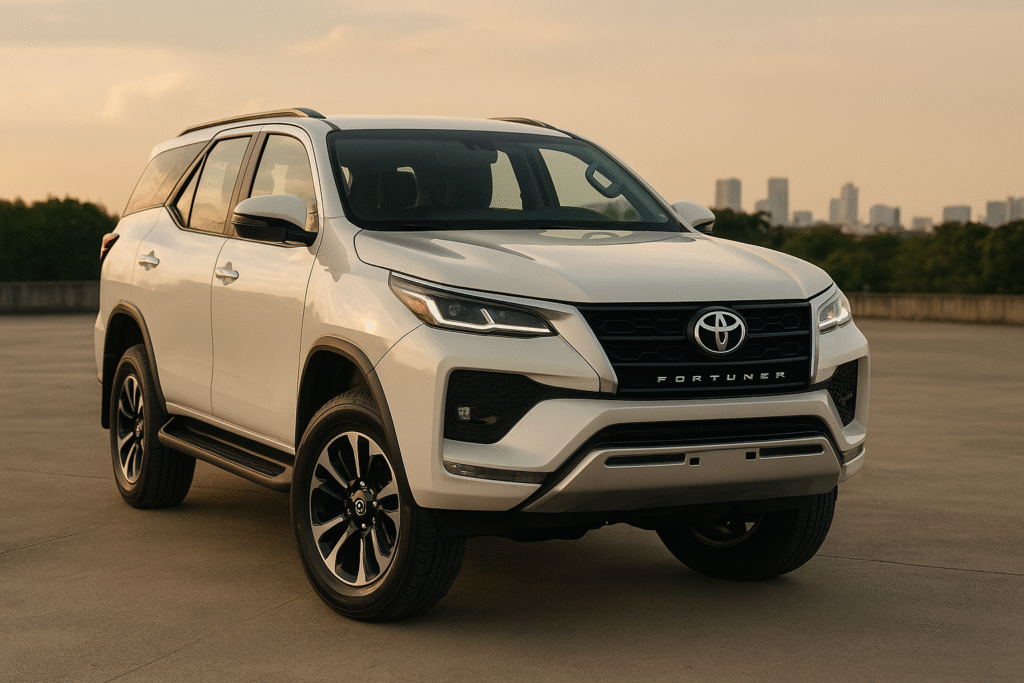
If you’ve been eyeing a premium SUV that blends power with reliability, the new Fortuner deserves your attention. This isn’t just another vehicle update. Toyota has refined one of India’s most respected SUVs into something that now delivers better fuel economy, more features, and the same rugged performance that made it a household name. Let’s break down why this SUV continues to dominate its segment and whether it’s the right choice for you. What Makes the New Fortuner Stand Out? The new Toyota Fortuner arrives with real changes. Toyota has introduced a 2.8-litre turbo-diesel engine with hybrid assistance, producing 201 bhp and 500 Nm of torque. This means you get strong acceleration paired with better fuel efficiency than previous models. The hybrid system delivers a claimed mileage of up to 34 km/l, which is a significant improvement over the earlier diesel variants. For a vehicle this size, that’s impressive. You’re looking at fewer fuel stops on long highway drives and better running costs over time. The SUV keeps its body-on-frame construction, which means it’s built for durability. Whether you’re driving through city traffic in Jalandhar or taking weekend trips to hill stations, the Fortuner handles both with confidence. Design and Road Presence One thing the Fortuner never lacked was presence. The latest version takes this further with a bolder grille, sharper full-LED projector headlamps, and a more assertive front end. When you’re behind the wheel, you sit high and get a clear view of the road ahead. The SUV measures 4,795mm in length and stands 1,835mm tall, giving it that commanding stance. The design isn’t flashy but it turns heads. Chrome accents, 18-inch alloy wheels on higher variants, and sleek LED tail lamps complete the look. If you visit Castle Toyota, you’ll notice how the Fortuner stands apart from smaller SUVs in their lineup. It’s designed for buyers who want something that looks as tough as it performs. Interior Comfort and Features Step inside and you’ll find a cabin that’s both spacious and functional. The new Fortuner seats seven people comfortably. The new 10.5-inch smart infotainment system is the centerpiece of the dashboard, offering wireless smartphone integration. This means no more cable clutter when you’re connecting your phone. The second and third-row seats have enough legroom for adults, making it practical for family trips. Ventilated front seats help during hot summer months, and dual-zone climate control keeps everyone comfortable. The advanced 4×4 Terrain Assist System acts as a digital co-pilot, managing wheel slip and power distribution. This is useful when you’re driving on unpaved roads or tackling slippery surfaces. The system adjusts automatically, so you focus on steering while it handles traction. Higher variants also come with features like a wireless charging pad, ambient lighting, and an 11-speaker JBL sound system. While the interface might feel less modern compared to some newer rivals, it’s responsive and gets the job done. Performance That Delivers The new Fortuner offers three engine choices. The 2.7-litre petrol engine produces 166 hp and works well for city driving. But the real star is the 2.8-litre diesel engine, which delivers 204 hp and up to 500 Nm of torque when paired with the automatic transmission. The diesel manual variant generates slightly less torque at 420 Nm but gives you more control if you prefer manual shifting. Both diesel options come with a smooth 6-speed transmission, either manual or automatic depending on your preference. The new 48V mild-hybrid system, available on select variants, improves fuel economy without sacrificing power. The 48V mild-hybrid diesel variants provide improved efficiency at 14.6 kmpl, which is better than the standard diesel automatic’s 14.35 kmpl. For off-road enthusiasts, the 4×4 variants include multi-terrain drive modes, hill descent control, and differential lock. These features make a real difference when you’re driving through mud, sand, or steep inclines. Safety Features You Can Trust Safety is where Toyota doesn’t compromise. The new Fortuner comes equipped with seven airbags, electronic stability control, hill hold assist, and traction control. ISOFIX child seat anchorages are standard, making it family-friendly. Higher variants get additional driver assistance systems including lane-keeping assist, adaptive cruise control, and blind-spot monitoring. A 360-degree camera helps with parking, which is useful given the SUV’s size. The reinforced chassis and ABS with EBD add another layer of protection. During crash tests, the Fortuner has consistently scored well, giving you peace of mind when family is on board. Discover the hidden feature of the Toyota Legender — read this blog to uncover what most owners never notice. How Does It Compare to Rivals? The new Fortuner competes with the MG Gloster, Jeep Meridian, and Skoda Kodiaq. While rivals like the Gloster offer more features at a similar price point, the Fortuner’s strength lies in its reliability and resale value. Toyota’s reputation for low maintenance costs is well-earned. Service centers like Castle Toyota in Jalandhar ensure you have easy access to genuine parts and trained technicians. This matters when you’re planning to keep the vehicle for several years. The Fortuner also holds its value better than most competitors. If you decide to sell after a few years, you’ll likely get a better price compared to other SUVs in this segment. Real-World Fuel Economy While the claimed mileage figures sound promising, real-world performance varies. The petrol variant delivers around 10-11 kmpl in mixed driving conditions. The diesel manual can achieve 13-14 kmpl, while the diesel automatic manages similar numbers. The mild-hybrid variants do show improvement, especially on highways where regenerative braking and the idle start-stop system make a difference. In city traffic, expect slightly lower numbers due to frequent stops and starts. For a vehicle weighing over 2,100 kg, these figures are respectable. If fuel economy is your top priority, the diesel hybrid variants make the most sense. Who Should Buy the New Fortuner? The new Fortuner is perfect for buyers who want a vehicle that handles both family duties and weekend adventures. It’s ideal if you: It’s less suitable if you’re looking for the latest tech features
Toyota Rumion vs Kia Carens – Which MPV should you buy?
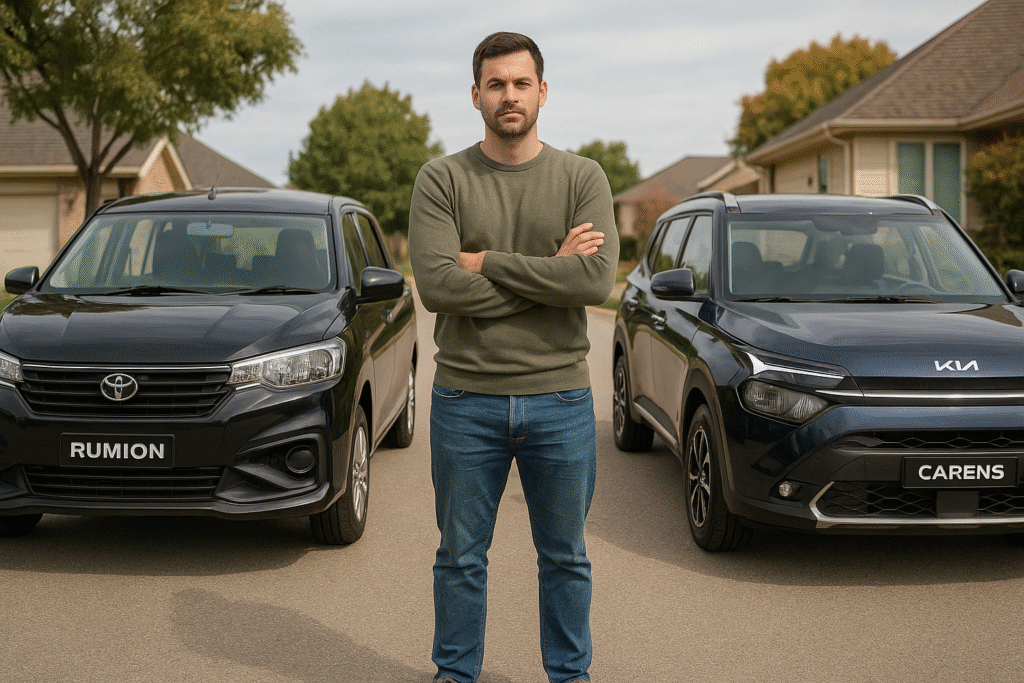
Choosing the right family MPV can feel overwhelming when both options seem to tick all the boxes. The Toyota Rumion vs Kia Carens debate has become one of the hottest discussions among Indian car buyers looking for a practical seven-seater. Both vehicles promise space, comfort, and value, but they take different approaches to win your heart and wallet. If you’re shopping for a family MPV and find yourself torn between these two popular options, you’re not alone. At Castle Toyota, we understand that buying a car is a big decision. That’s why we’re breaking down everything you need to know about these vehicles to help you make the right choice. Understanding the Toyota Rumion and Kia Carens Before we dive into comparisons, let’s get acquainted with what these MPVs bring to the table. The Toyota Rumion is Toyota’s entry into the affordable MPV segment. Built on a proven platform, it offers the reliability Toyota is known for, combined with practical family-friendly features. The Rumion is essentially based on the Maruti Suzuki Ertiga through a joint venture between Toyota and Maruti Suzuki. While some might see this as badge engineering, Toyota buyers get the benefit of the company’s superior warranty and service network. The Kia Carens takes a different approach. It was developed as a strategic model specifically for the Indian market with a crossover-inspired exterior design. Kia positioned the Carens to offer more premium features and multiple powertrain options, making it appealing to buyers who want flexibility. Toyota Rumion vs Kia Carens: Price Comparison Price often determines which car ends up in your driveway. Here’s how these MPVs stack up. The Kia Carens price starts at Rs 10.99 Lakh for the Premium variant, while the Toyota Rumion price starts at Rs 10.44 Lakh for the S variant. This makes the Rumion slightly more affordable at the entry level, giving it an edge for budget-conscious buyers. When you look at the top variants, the Toyota Rumion tops out at approximately Rs 13.83 lakh for the V AT variant, while the Kia Carens can go up to Rs 19.70 lakh for the top-spec Luxury Plus DCT variant. The Carens offers more variants and price points, which means more choices but also a wider price range to navigate. For visitors to Castle Toyota in Jalandhar, the Rumion represents an accessible entry point into Toyota ownership with all the brand’s reliability benefits. The pricing strategy makes it particularly attractive for first-time seven-seater buyers. Engine Options and Performance This is where the two MPVs show their distinct personalities. Toyota Rumion Engine Specifications The Toyota Rumion comes with a 1.5-liter naturally aspirated petrol engine producing 101.64 bhp at 6000 rpm and 136.8 Nm of torque at 4400 rpm. You can choose between a five-speed manual or six-speed automatic transmission. There’s also a CNG variant available. The CNG variant produces 86.63 bhp and 121.5 Nm of torque, which is lower than the petrol version but offers better running costs. The Rumion’s engine prioritizes fuel efficiency and smooth operation over outright power. Kia Carens Engine Options The Carens gives you more to choose from. It comes with three engine options: a 1.5-liter naturally aspirated petrol engine developing 113 bhp, a 1.5-liter turbocharged petrol engine producing 158 bhp and 253 Nm of torque, and a 1.5-liter diesel engine churning out 113 bhp and 250 Nm of torque. Transmission options vary by engine. The naturally aspirated petrol gets a six-speed manual, the turbo petrol offers a six-speed manual or seven-speed DCT, and the diesel comes with either a six-speed manual or six-speed automatic. Performance Verdict If you want more power and driving dynamics, the Carens wins with its turbo petrol option. The Rumion focuses on delivering adequate power for family duties while keeping running costs low. The Carens diesel is particularly appealing for high-mileage drivers who need that extra torque for highway cruising. Debating between the Toyota Rumion and the Maruti Ertiga? Read this blog to find out which MPV is truly better for you! Fuel Efficiency Face-Off Running costs matter when you’re clocking family miles every week. The Toyota Rumion delivers an ARAI-certified mileage between 20.11 to 20.51 kmpl for petrol variants. The CNG variant claims an impressive 26.11 km/kg, making it one of the most economical seven-seaters you can buy. The Kia Carens claims 17.50 km/l for its base petrol variant, which is respectable but lower than the Rumion. The diesel Carens offers better fuel economy than its petrol counterpart, making it suitable for those who drive long distances regularly. For daily commutes and city driving, the Rumion’s superior petrol and CNG fuel economy gives it a clear advantage. If you’re visiting Castle Toyota to explore the Rumion, the fuel efficiency numbers alone make a compelling case. Space and Dimensions Both are seven-seaters, but how do they differ in actual space? Toyota Rumion Dimensions The Rumion measures 4420 mm in length, 1735 mm in width, and 1690 mm in height, with a wheelbase of 2740 mm and ground clearance of 185 mm. It’s a compact MPV that’s easy to maneuver in tight city spaces. Boot space stands at 209 liters with all seats up, which expands to 550 liters with the third row folded and 803 liters with both second and third rows folded. Kia Carens Dimensions The Carens is larger, measuring 4540 mm in length, 1800 mm in width, and 1708 mm in height, with a wheelbase of 2780 mm and ground clearance of 195 mm. It offers 216 liters of boot space. The Carens’ larger footprint translates to a more commanding road presence and potentially better interior space. The extra 40mm wheelbase should mean more legroom, particularly for third-row passengers. The higher ground clearance also helps with tackling rough roads. Features and Technology Modern cars need to do more than just transport people. Let’s look at what tech these MPVs pack. Toyota Rumion Features The Rumion features a 7-inch Smartplay Cast touchscreen infotainment system with wireless Android Auto and Apple CarPlay. It includes Arkamys Surround
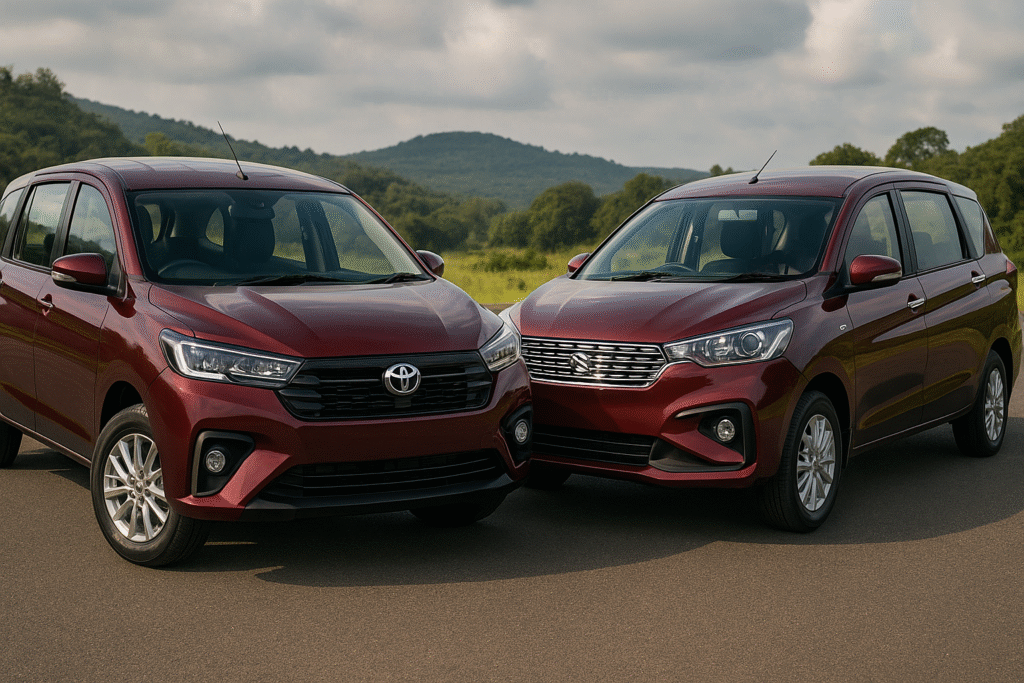
Toyota Rumion vs Maruti Ertiga – Which MPV is better?
Toyota hilux: An in-depth Guide to Price, Features, And Performance in India

The Toyota Hilux has earned a legendary reputation worldwide as one of the toughest pickup trucks ever built. After decades of global success, this beast finally arrived in the Indian market in January 2022, and it’s been turning heads ever since. If you’re considering a lifestyle pickup truck that can handle everything from daily commutes to extreme off-road adventures, the Hilux deserves your attention. This guide covers everything you need to know about the Toyota Hilux, from pricing and variants to features and real-world performance. Whether you’re a first-time buyer or comparing options, we’ll break down what makes this truck special. What Makes the Toyota Hilux Special? The Hilux isn’t just another pickup truck. It’s built on Toyota’s IMV (Innovative International Multi-purpose Vehicle) platform, the same foundation used for the Fortuner. This means you get SUV-like comfort with genuine truck capability. The Hilux comes to India as a Completely Knocked Down (CKD) unit, assembled at Toyota’s Bidadi plant in Karnataka. This approach helps keep costs somewhat reasonable compared to a full import, though it still sits in the premium segment. What sets the Hilux apart is its body-on-frame construction with a ladder frame chassis. This old-school design philosophy means the truck can take serious punishment without falling apart. The vehicle rides on double-wishbone suspension up front and leaf springs at the rear, a setup that balances on-road comfort with off-road durability. Toyota Hilux Price in India The Hilux is positioned as a premium lifestyle pickup truck, and the pricing reflects this positioning. As of 2025, the Toyota Hilux is available in two main variants: The Standard 4×4 MT variant starts at approximately Rs. 30.40 lakh, while the top-spec High 4×4 AT variant is priced around Rs. 36.80 lakh (ex-showroom, Delhi). These prices can vary slightly depending on your city and any ongoing offers. Yes, it’s expensive for a pickup truck. But consider what you’re getting: a globally proven workhorse with legendary reliability, strong resale value, and capabilities that few vehicles in India can match. For accurate, up-to-date pricing in your area, it’s worth visiting Castle Toyota to discuss current offers and financing options. Dealerships often have information about seasonal promotions that aren’t advertised online. Toyota Hilux Features: What’s Inside? The Toyota Hilux features list is surprisingly comprehensive for a vehicle designed primarily as a working truck. Let’s look at what you get across the two variants. Exterior Design and Build The Hilux has a commanding road presence. It measures 5,325 mm in length, 1,855 mm in width, and stands 1,815 mm tall. The wheelbase stretches 3,085 mm, providing stability and a decent turning radius despite the truck’s size. The front end features Toyota’s signature hexagonal grille with chrome detailing. LED projector headlamps with LED DRLs come standard, giving the truck a modern look. The muscular fenders and high ground clearance of 279 mm make it clear this truck means business. The cargo bed measures 1,520 mm in length and 1,645 mm in width, with a payload capacity of up to 500 kg. That’s enough space for most recreational gear, building materials, or camping equipment. The tailgate opens flat and can support considerable weight. Deciding between the Toyota Vellfire and the Mercedes-Benz V-Class? Read this blog to discover which luxury MPV is better for you! Interior Comfort and Technology Step inside, and you’ll find a cabin that’s more Fortuner than bare-bones work truck. The dashboard layout is clean and functional, with an 8-inch touchscreen infotainment system taking center stage. This system supports Android Auto and Apple CarPlay, along with voice recognition and a six-speaker sound system. The automatic variant gets push-button start, automatic climate control, and cruise control. The seats are upholstered in fabric (standard variant) or a mix of fabric and leather-like material (high variant), and they’re surprisingly comfortable for long drives. Rear passengers get decent legroom, though the upright seating position and firm cushioning remind you this is still a truck at heart. Storage spaces are abundant, with multiple cupholders, door pockets, and a useful center console. One feature worth highlighting: the instrument cluster includes a multi-information display that shows real-time data like pitch and roll angles, inclinometer readings, and four-wheel-drive status. This comes in handy when you’re navigating tricky terrain. Safety Equipment Toyota hasn’t skimped on safety. The Hilux comes with seven airbags as standard, including driver and passenger airbags, side airbags, curtain airbags, and a driver knee airbag. Other safety features include ABS with EBD, vehicle stability control, hill start assist, and trailer sway control. The automatic variant adds downhill assist control, which helps maintain controlled speeds when descending steep slopes. There’s also a reverse camera with parking sensors, making it easier to maneuver this large truck in tight spaces. Performance: How Does the Toyota Hilux Drive? Here’s where things get interesting. The Toyota Hilux runs on a 2.8-liter, four-cylinder turbocharged diesel engine. This is the same 1GD-FTV engine found in the Fortuner, and it produces 204 PS of power and 500 Nm of torque. You get two transmission options: a six-speed manual or a six-speed automatic. Both are paired with a four-wheel-drive system that includes a low-range transfer case for serious off-roading. On-Road Behavior On the highway, the Hilux feels planted and stable. The steering is light enough for city driving but weighs up nicely at speed. The ride quality is surprisingly good for a truck, though you’ll definitely notice the leaf-spring rear suspension when the bed is empty. Load some weight back there, and the ride smooths out considerably. The diesel engine provides strong mid-range pull, making overtaking confident and stress-free. Fuel efficiency hovers around 10-12 km/l in mixed driving conditions, which is reasonable given the vehicle’s size and weight. One thing to note: the Hilux is long and wide. Parking in crowded city areas takes practice, and narrow lanes can be challenging. This isn’t a vehicle for everyone’s daily commute. Off-Road Capability This is where the Hilux truly shines. Switch into four-wheel-drive mode, engage the rear differential lock, and this truck will go
Toyota Vellfire vs Mercedes-Benz V-Class – Which luxury MPV is better?
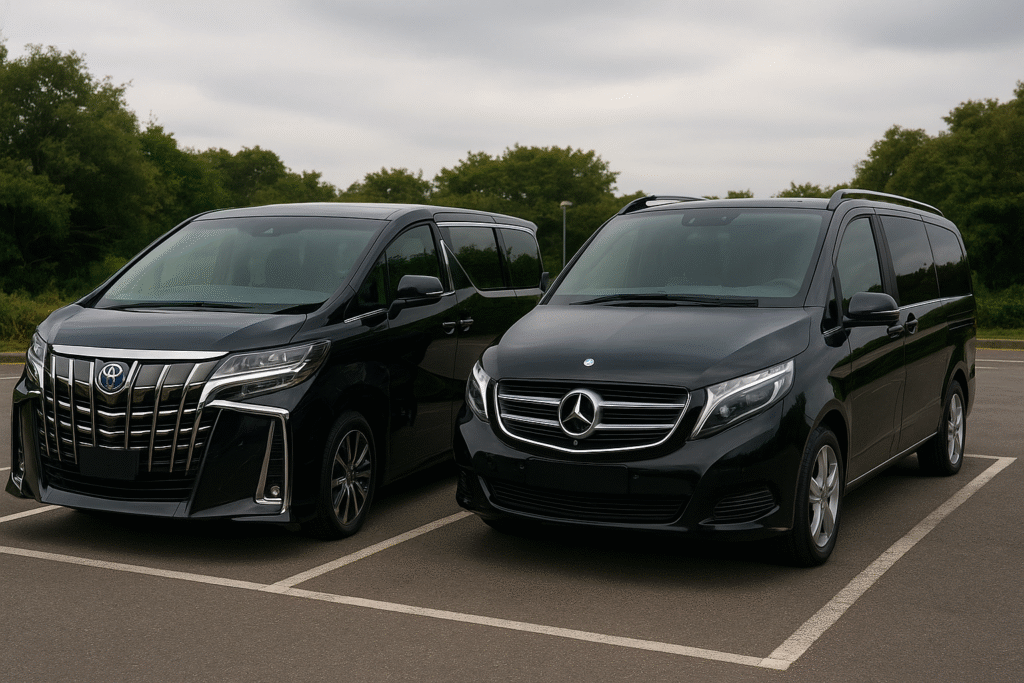
Choosing between the Toyota Vellfire and Mercedes-Benz V-Class is no small decision. Both luxury MPVs promise comfort, space, and prestige, but they take different approaches to delivering these qualities. If you’re shopping for a premium people mover in India, understanding the strengths and trade-offs of each model will help you make the right choice. The 2025 Toyota Vellfire starts at Rs. 1.20 crore and tops out at Rs. 1.30 crore for the Lounge variant, while the Mercedes-Benz V-Class is expected to be priced around Rs. 1 crore when it returns to the Indian market. This puts both vehicles in the ultra-premium category, competing for buyers who want the best in space and comfort. Let’s break down how these two luxury MPVs stack up. Design and Dimensions: Size Matters When it comes to exterior design, the Toyota Vellfire vs Mercedes-Benz V-Class comparison reveals distinct personalities. The Vellfire features an aggressive styling theme with sharp, pointed LED taillights and bold design language that creates a strong road presence. Built on the TNGA-K platform, it gets a large grille with chrome detailing, swept-back LED headlamps, side steppers, and sliding doors. The Japanese MPV measures 4,935mm in length, 1,850mm in width, and 1,895mm in height, with a 3,000mm wheelbase. The Mercedes-Benz V-Class takes a different approach. The 2025 V-Class features a striking new radiator grille and adaptive MULTIBEAM LED headlights that give the vehicle an elegant appearance. The V-Class is 205mm longer, 78mm wider, and gets a 200mm longer wheelbase than the Vellfire, though the Vellfire is 15mm taller. This makes the V-Class the physically larger option, offering more interior space. For buyers visiting Castle Toyota in Jalandhar, the Vellfire’s dimensions make it easier to maneuver in Indian traffic conditions while still providing ample space for passengers. Engine and Performance: Hybrid vs Diesel The powertrain choice is where the Toyota Vellfire vs Mercedes-Benz V-Class debate gets interesting. Toyota Vellfire Powertrain The Vellfire is powered by a 2.5-litre strong hybrid engine that produces 190bhp and 240Nm of torque, paired with an e-CVT unit. This hybrid system delivers an ARAI-claimed mileage of 19.28 kmpl, which is remarkable for a vehicle of this size. The hybrid setup allows brief pure EV mode driving with gentle throttle inputs, and the system operates quietly, making it perfect for chauffeur-driven applications. The hybrid powertrain is a refined and silent unit, which boosts comfort levels for owners who prefer being driven. Real-world fuel efficiency typically ranges from 14-16 km/l depending on driving conditions and traffic. Mercedes-Benz V-Class Powertrain The V-Class comes with a 2.0-litre four-cylinder diesel engine that makes 163bhp and 380Nm of torque in the 220d format, with higher variants offering 239bhp and 500Nm. The diesel mill is paired with a 9-speed automatic transmission and sends power to the front wheels. While the diesel engine provides strong low-end torque that’s helpful for highway cruising and carrying heavy loads, it doesn’t match the refinement and fuel efficiency of the Vellfire’s hybrid system. The V-Class also lacks the environmental benefits and whisper-quiet operation that hybrid technology provides. Interior Comfort and Features Both luxury MPVs excel in creating premium cabin experiences, but they take different approaches to achieving this goal. Toyota Vellfire Interior The Vellfire’s cabin is finished in a tan brown shade with subtle wooden highlights on the doors and dashboard, though buyers can also choose Neutral Beige or all-black themes. The Vellfire offers 16-colour roof ambient illumination, VIP spotlight with welcome function, sunblinds in second and third rows, rear ceiling screen with HDMI and WiFi, and a 17-speaker JBL system. The middle row captain seats with Ottoman features provide excellent cushioning and support with generous legroom. Features include power-adjustable front and rear seats, three-zone climate control, dual sunroof, rear-seat entertainment unit, memory seats, ventilated seats, and ambient illumination. The Vellfire’s second-row experience embodies Toyota’s “Omotenashi” hospitality philosophy, making passengers feel truly pampered. At Castle Toyota, customers often cite the middle-row comfort as a deciding factor when choosing the Vellfire. Mercedes-Benz V-Class Interior The V-Class gets a spacious six-seater cabin with a minimalist all-black dashboard, ventilated front seats, 64-color ambient lighting, dual electric sunroofs, and a dual 12.3-inch screen setup. The second row seats are power-adjustable and can be reclined up to 49 degrees, with ventilation and massage functions. The V-Class offers flexibility with both six and seven-seating configurations. Higher trims can be equipped with a central table where passengers in the second and third rows face each other, creating a conference-room-like setup that appeals to business users. The Burmester premium 15-speaker audio system is available as an optional extra, adding to the luxury quotient. Want to know what safety features the Toyota New Camry Hybrid offers? Read this blog to uncover all the top safety features you’ll get! Safety and Technology Modern luxury MPVs need to deliver on safety just as much as comfort. Toyota Vellfire Safety The Vellfire includes six airbags, a 360-degree camera, hill-assist control, and ADAS features like lane keep assist, adaptive cruise control, blind spot monitor, and high beam assist. Additional safety features include seven airbags, ABS with EBD, ESC, hill hold and descent control, TPMS, all-wheel disc brakes, ISOFIX, front and rear parking sensors with cameras, E-Call and SOS Switch, and driver drowsiness detection. Mercedes-Benz V-Class Safety The V-Class safety features include Anti-Lock Braking System, parking sensors, child safety locks, driver and passenger airbags, side airbags, curtain airbags, rear seat belts, seat belt warning, brake assist, crash sensor, 360 camera, hill-start assist control, park assist, blind spot monitor, and speed sensing door locks. Systems such as Pre-Safe, Active Parking Assist, and Attention Assist give the V-Class a higher edge in advanced driver assistance. Both vehicles offer comprehensive safety packages, though the V-Class edges ahead with more advanced driver assistance systems. Price and Value Proposition Here’s where the Toyota Vellfire vs Mercedes-Benz V-Class comparison gets really interesting. The Vellfire is priced between Rs. 1.20 crore and Rs. 1.30 crore (ex-showroom), making it one of the most expensive Toyotas you can buy in India. The Mercedes-Benz V-Class
What Safety Features Are Available in Toyota New Camry Hybrid
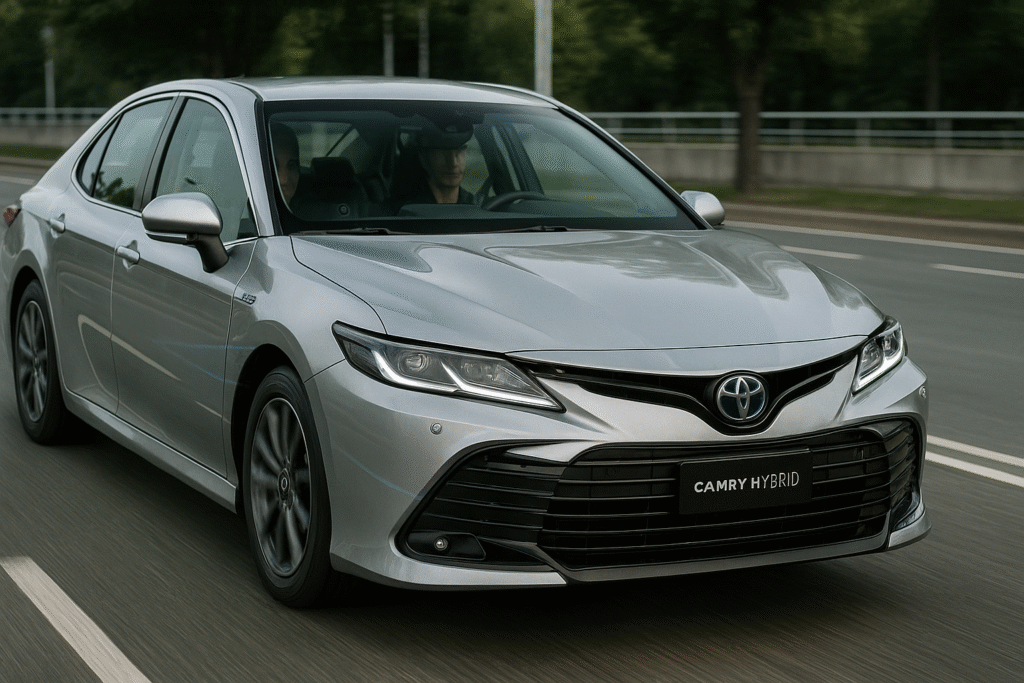
When you’re shopping for a sedan that puts your family’s protection first, the Toyota New Camry Hybrid deserves serious attention. This latest generation doesn’t just meet safety standards. It sets them. With an IIHS Top Safety Pick+ rating and a comprehensive suite of driver assistance technologies, the Camry Hybrid demonstrates why Toyota continues to lead in vehicle safety. Let’s break down exactly what makes this sedan one of the safest choices on the road today. Toyota Safety Sense 3.0: Your Digital Co-Pilot The heart of the Camry Hybrid’s safety system is Toyota Safety Sense 3.0, which comes standard across all trim levels. Think of it as having an extra set of eyes that never blink, never gets tired, and reacts faster than humanly possible. Pre-Collision System with Pedestrian Detection The Pre-Collision System uses a high-resolution camera and radar sensors working together to scan the road ahead. It can detect vehicles, pedestrians, cyclists, and even motorcyclists in your path. If the system senses an impending collision, you’ll get both visual and audio warnings. If you don’t brake in time, the system can automatically apply the brakes to prevent the crash or reduce its severity. What makes version 3.0 special is its enhanced intersection support. The camera now has a wider field of view and can detect vehicles approaching from multiple lanes, including those turning across your path. This is where many real-world accidents happen, and the Camry Hybrid is designed to protect you in these scenarios. Dynamic Radar Cruise Control Highway driving becomes less tiring with Dynamic Radar Cruise Control. This isn’t your basic cruise control that only maintains speed. The system uses radar and camera sensors to keep a preset distance from the vehicle ahead, automatically adjusting your speed in response to traffic flow. The latest version offers four following distance settings, giving you more control over how close you want to follow. When traffic slows down, your Camry slows down. When it speeds up, your car does too. The system works at full speed range, meaning it can handle stop-and-go traffic without you constantly touching the pedals. Lane Tracing Assist and Lane Departure Alert Lane Tracing Assist works hand-in-hand with Dynamic Radar Cruise Control to keep your vehicle centered in its lane. The system reads lane markings and the path of vehicles ahead to provide gentle steering inputs when needed. If you start drifting without signaling, Lane Departure Alert with Steering Assist kicks in. You’ll get an audio and visual warning, and if you don’t correct your course, the system will gently steer you back into your lane. The enhanced version 3.0 can now recognize alternative lane markers like guardrails, not just painted lines. One standout feature is the Emergency Driving Stop System. If the system detects the driver isn’t responding to repeated alerts, it can bring the vehicle to a complete stop and activate hazard lights. This could be lifesaving if a driver experiences a medical emergency. Trying to pick between the Toyota Camry Hybrid and the Honda Accord Hybrid? Read this blog to find out which hybrid sedan is the smarter choice for you! Road Sign Assist and Automatic High Beams Road Sign Assist uses the forward-facing camera to detect speed limit signs, stop signs, yield signs, Do Not Enter signs, and pedestrian crossing signs. These appear on your Multi-Information Display, so you never miss a critical sign, even when you’re navigating unfamiliar areas. Automatic High Beams make night driving safer and more courteous. When you’re traveling above 21 mph, the system automatically switches between high and low beams based on detecting oncoming headlights and taillights ahead. You get better visibility without blinding other drivers. Proactive Driving Assist This feature is exclusive to Toyota Safety Sense 3.0 and represents a step toward more intelligent driving support. Using the camera and radar, Proactive Driving Assist provides gentle braking when approaching curves or gentle braking and steering support to help maintain safe distances from vehicles, pedestrians, and cyclists ahead. It’s not autonomous driving, but it’s a system that subtly helps you be a safer, smoother driver. The assistance is gentle enough that most drivers won’t even notice it working unless they’re paying close attention. Blind Spot Monitor and Rear Cross-Traffic Alert Every Toyota New Camry Hybrid comes standard with Blind Spot Monitor, which is a huge improvement from previous generations where it was optional on some trims. When a vehicle enters your blind spot, an indicator lights up on the corresponding side mirror. If you activate your turn signal while a vehicle is there, the indicator flashes to grab your attention. Rear Cross-Traffic Alert is equally helpful when backing out of parking spaces. The system uses radar sensors in the rear bumper to detect vehicles approaching from either side. You’ll get both visual indicators in the side mirrors and an audible warning, helping prevent those low-speed parking lot collisions that are surprisingly common. The system also includes Safe Exit Alert, which helps protect passengers when they’re opening doors. If the system detects a vehicle or bicycle approaching from behind, it alerts occupants before they open the door into traffic. Intelligent Clearance Sonar with Automatic Braking Available on higher trims, Intelligent Clearance Sonar uses ultrasonic sensors to detect stationary objects and walls around your vehicle. When parking or maneuvering at low speeds, the system provides audio warnings if you’re getting too close to an obstacle. If a collision becomes imminent and you don’t respond, the system can automatically apply the brakes. Paired with Rear Cross-Traffic Braking, it adds an extra layer of protection when backing up by automatically stopping the vehicle if a moving object is detected. Think you know the Toyota Legender? Read this blog to uncover the hidden features that make it truly exceptional! Star Safety System: The Foundation While Toyota Safety Sense 3.0 gets most of the attention, every Camry Hybrid also includes the Star Safety System as standard equipment. This suite of six features works behind the scenes to keep your vehicle stable and under
Toyota New Camry Hybrid vs Honda Accord Hybrid – Which is better?
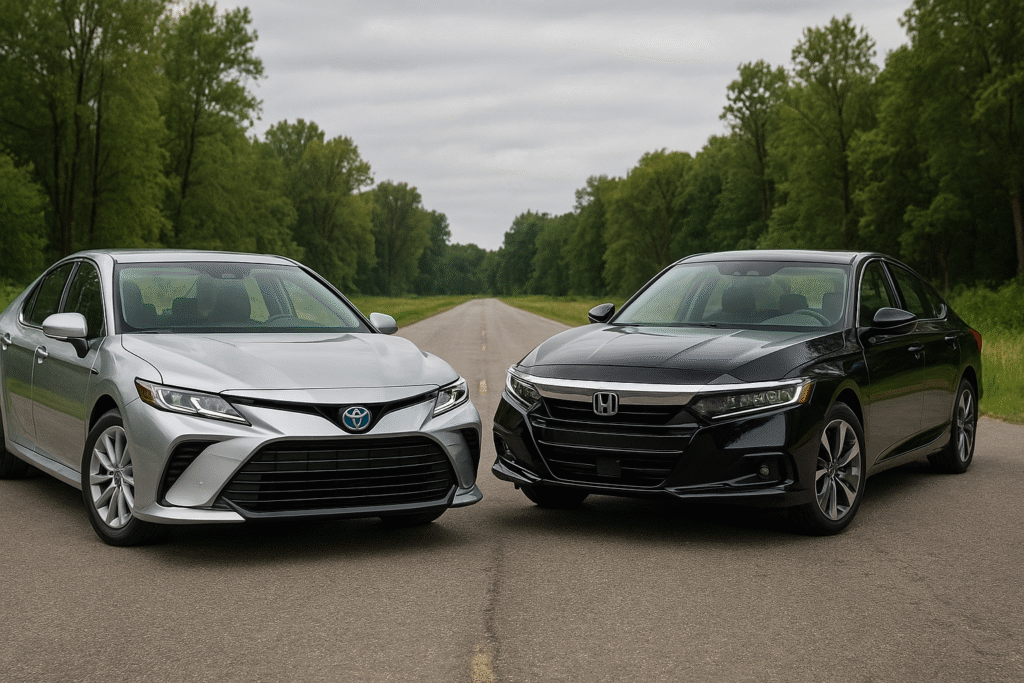
Choosing between two of the most popular midsize sedans on the market isn’t easy, especially when both have earned their stellar reputations over decades. The Toyota New Camry Hybrid and Honda Accord Hybrid represent the best of what hybrid technology can offer in a family sedan. Both deliver excellent fuel economy, comfortable rides, and the reliability their brands are known for. But which one deserves a spot in your driveway? Let’s break it down. What Makes These Hybrid Sedans Stand Out? The 2025 model year brought big changes to both vehicles. Toyota made a bold move by offering the Camry exclusively as a hybrid, eliminating all non-hybrid options. Honda took a different approach, keeping gas-only models at the entry level while positioning hybrids as the premium choice. The new Camry uses Toyota’s fifth-generation hybrid system paired with a 2.5-liter four-cylinder engine, producing 225 horsepower in front-wheel drive models and 232 horsepower with all-wheel drive. The Accord Hybrid features a 2.0-liter four-cylinder with a two-motor hybrid system generating 204 horsepower and 247 lb-ft of torque. If you’re exploring hybrid options, Castle Toyota offers the complete range of Toyota hybrid vehicles, including the new Camry Hybrid, to help you find the perfect match for your driving needs. Powertrain Performance: Different Approaches, Similar Goals Both manufacturers took distinct paths to hybrid efficiency, and the differences are worth understanding. Toyota’s system uses a smaller 2.5-liter engine with electric motors that work together through a continuously variable transmission. The all-wheel-drive version adds a third motor to power the rear axle. This setup feels smooth and responsive, particularly around town where the electric motors provide instant torque. Honda’s approach centers around a 2.0-liter engine paired with a more powerful electric motor. The electric motor primarily drives the car, while the engine mostly generates electricity for that motor, though at higher speeds it can directly power the front wheels through a clutch. This design gives the Accord a sportier feel. In testing, the Accord Hybrid reached 60 mph in 6.7 seconds, about 0.2 seconds faster than the Camry XSE AWD. The Honda’s 84 lb-ft torque advantage over the Toyota translates to more eager acceleration, especially during highway merging and passing. Fuel Economy: Where the Camry Takes the Lead When shopping for a hybrid, fuel economy matters. Here’s where the Toyota New Camry Hybrid vs Honda Accord Hybrid comparison gets interesting. The most efficient Camry LE FWD achieves EPA ratings of 53 mpg city and 50 mpg highway, for a combined 51 mpg. Even the sportier XSE with all-wheel drive manages 44 mpg city and 43 mpg highway. The Accord Hybrid EX-L on 17-inch wheels returns 51 mpg city and 44 mpg highway, while Sport, Sport-L, and Touring trims on 19-inch wheels get 46 mpg city and 41 mpg highway. The Camry’s better highway numbers mean longer stretches between fill-ups. In real-world testing, the Camry XSE AWD achieved 43 mpg on a 75-mph highway route, while the Accord hybrid returned 39 mpg. Over a year of driving, those extra miles per gallon add up to real savings. Torn between the Toyota Hyryder and the Honda Elevate? Read this blog to decide which compact SUV is better for your needs! Interior Space and Comfort: Room to Stretch Both sedans offer spacious cabins, but they cater to slightly different priorities. The Accord Hybrid provides 40.8 inches of rear legroom, compared to 38 inches in the Camry. If you regularly transport tall passengers in the back seat, the Honda’s extra legroom makes a difference. The Accord’s 16.7 cubic feet of trunk space also beats the competition. Front seat comfort is where opinions diverge. The Camry features well-padded, well-shaped front seats with available three-stage ventilation, while the Accord’s front seats have harder, flatter bottoms that some drivers find less comfortable on long trips. The Camry’s steering feels too heavily weighted for some drivers, and its ride is firmer with more body lean than the Accord. But others appreciate the planted feel. The Honda offers sharper handling and more precise steering feedback, making it feel more engaging on winding roads. When you visit Castle Toyota in Jalandhar, you can experience the Camry’s interior comfort firsthand and see how the space suits your needs. Technology and Features: Modern Conveniences Both vehicles come loaded with tech, though they present it differently. The Camry LE and SE trims include a 7-inch digital gauge cluster and 8-inch touchscreen, while XLE and XSE models upgrade to a 12.3-inch digital cluster and larger 12.3-inch touchscreen. All models support wireless Apple CarPlay and Android Auto. All Accord Hybrid models feature a 12.3-inch touchscreen with wireless smartphone connectivity. The top Touring trim adds Google built-in with embedded Google Maps and voice assistant, which some buyers prefer over traditional infotainment systems. Honda’s touchscreen juts out from the dash like an afterthought, while Toyota’s interface looks more integrated but relies on a busier, chunkier dashboard design. Both systems work well once you get used to them. For 2025, all Accord models gained rear climate vents and two rear USB-C ports, while hybrid trims received a 15-watt wireless charging pad. Safety: Top Marks Across the Board You won’t compromise on safety with either choice. Both the Honda Accord Hybrid and Toyota Camry earn five-star ratings from NHTSA and Top Safety Pick+ awards from IIHS. Standard driver assistance features include forward automatic emergency braking, adaptive cruise control, blind-spot monitoring, rear cross-traffic alert, and automatic high beams. Toyota Safety Sense 3.0 includes Pre-Collision System with Pedestrian Detection, Dynamic Radar Cruise Control, Lane Departure Alert with Steering Assist, and available features like Lane Tracing Assist and Proactive Driving Assist. Honda Sensing matches Toyota’s offerings point for point with lane keeping assist, traffic sign recognition, and traffic jam assist on higher trims. Pricing: Different Starting Points Here’s where the comparison shifts dramatically. The 2025 Camry starts at $28,400, over $400 less than the previous Camry Hybrid base grade and including more standard features. Since every Camry is now a hybrid, there’s no price premium for the hybrid