
Toyota Vellfire Vs Sienna: How to Choose in 2026

Choosing between two premium Toyota minivans can feel overwhelming when both promise space, comfort, and reliability. The Toyota Vellfire and Toyota Sienna target different buyers with distinct priorities. If you’re weighing these options for your family or business needs, understanding their core differences will help you make the right decision. Both vehicles come from Toyota’s trusted lineup, but they serve different markets and purposes. The Vellfire caters to buyers seeking executive-level luxury and chauffeur-driven comfort, while the Sienna focuses on family practicality with class-leading fuel economy. Castle Toyota helps customers across Jalandhar understand which model fits their lifestyle and budget. Understanding the Toyota Vellfire Vs Sienna Market Positioning The Vellfire and Sienna occupy separate segments despite both being minivans. The Vellfire represents Toyota’s luxury MPV offering, sold primarily in Asian markets including India. Its price starts at approximately Rs 1.20 crore, positioning it as a premium choice for executives and celebrities who prioritize rear-seat comfort. The Sienna, sold mainly in North America, takes a different approach. Starting around $40,120 in the US market, it emphasizes family functionality and everyday usability. The Sienna targets parents who need versatile seating, ample cargo space, and outstanding fuel efficiency for school runs and road trips. When customers visit Castle Toyota, they often ask about the fundamental difference between these models. The answer lies in their design philosophy: the Vellfire delivers first-class airline comfort on wheels, while the Sienna provides practical, efficient family transportation. Engine Performance and Fuel Efficiency Both vehicles use hybrid powertrains, but their specifications differ considerably. The Vellfire features a 2.5-liter four-cylinder petrol-hybrid engine producing 190 horsepower and 240 Nm of torque. This system pairs with an electronically controlled continuously variable transmission (e-CVT) and standard all-wheel drive. The Vellfire achieves an ARAI-certified mileage of 19.28 km/l. While respectable for a luxury MPV, this figure reflects the vehicle’s substantial weight and focus on comfort over efficiency. Real-world mileage typically ranges between 14-16 km/l depending on driving conditions and traffic patterns. The Sienna also uses a 2.5-liter four-cylinder hybrid system, but with slightly higher output at 245 horsepower and 175 pound-feet of torque. The EPA estimates the Sienna achieves 36 mpg city and highway combined with front-wheel drive, or 35 mpg combined with all-wheel drive. This makes the Sienna significantly more fuel-efficient than the Vellfire. For buyers prioritizing fuel costs, the Sienna offers clear advantages. The hybrid system provides electric-only driving for short distances, reducing fuel consumption during city commutes. The Vellfire’s hybrid setup focuses more on smooth, silent operation than maximizing efficiency. Interior Space and Seating Configuration The Vellfire interior focuses on second-row passenger comfort. Available in both four-seat and seven-seat configurations, the Vellfire treats rear passengers like VIPs. The second-row captain’s chairs feature electric adjustment, heating, cooling, massage functions, and powered leg rests. These seats recline extensively and offer more legroom than many luxury sedans. Premium materials cover every surface. Soft-touch leather, real wood trim, and ambient lighting create a first-class atmosphere. The Vellfire measures 4,935 mm in length with a 3,000 mm wheelbase, providing generous space throughout the cabin. The third row remains comfortable for adults on shorter trips. The Sienna offers seating for seven or eight passengers depending on configuration. While comfortable, the focus shifts toward practicality. The second row features super-long-slide captain’s chairs that slide forward and back significantly, allowing easy third-row access or creating massive legroom. An available second-row bench seat accommodates eight passengers total. The Sienna’s cabin uses quality materials but prioritizes durability and easy cleaning over pure luxury. SofTex synthetic leather and woven fabric options resist spills and stains better than genuine leather. The interior feels more family-oriented than executive-focused. Cargo capacity differs substantially. The Sienna provides more practical cargo space with its 60/40 split-folding third-row seats. When both rear rows fold, the Sienna converts into a cargo van capable of hauling furniture or camping gear. The Vellfire’s 148-liter boot space expands when folding the third row, but cargo capacity remains secondary to passenger comfort. Technology and Entertainment Features The Vellfire includes premium technology befitting its luxury positioning. A 14-inch touchscreen manages infotainment functions, while a 15-speaker JBL audio system delivers concert-quality sound. Dual sunroofs span both rows, creating an airy cabin atmosphere. Rear passengers enjoy individual entertainment screens, reading lights, and separate climate zones. Additional technology includes a 360-degree camera system, digital rear-view mirror, and comprehensive driver assistance features. The Vellfire’s technology focuses on passenger entertainment and comfort rather than driver engagement. The Sienna’s technology emphasizes family connectivity and convenience. Most trims feature a 12.3-inch touchscreen with wireless Apple CarPlay and Android Auto. A 12-speaker JBL premium audio system comes on higher trims. The available rear-seat entertainment system includes an 11.6-inch display, wireless headphones, and HDMI input for gaming consoles. Practical features include seven USB ports across all three rows, wireless phone charging, and a Wi-Fi hotspot. Higher trims add a vacuum cleaner and FridgeBox refrigerator for drinks and snacks. These features reflect the Sienna’s family-focused design. Voice-activated controls and over-the-air software updates keep the Sienna’s technology current. Toyota Safety Sense 2.0 comes standard, providing adaptive cruise control, lane centering, and automatic emergency braking. Safety Features and Ratings Both vehicles prioritize safety with comprehensive protection systems. The Vellfire includes seven airbags, vehicle stability control, hill hold and descent control, ABS with EBD, and ISOFIX child seat anchors. Front and rear parking sensors work alongside the 360-degree camera to prevent parking mishaps. Driver drowsiness detection and an emergency call system add extra protection. The Sienna received a five-star overall safety rating from NHTSA and earned IIHS Top Safety Pick recognition. Standard safety equipment includes blind-spot monitoring with rear cross-traffic alert and Toyota Safety Sense 2.0. This suite provides forward collision warning with pedestrian detection, lane departure warning with steering assist, automatic high beams, and traffic sign recognition. Upper Sienna trims add front and rear parking assist with automatic braking, a surround-view camera, and a head-up display. These features make navigating tight parking lots and city streets less stressful for drivers. Driving Experience and Handling The
Toyota Vellfire Vs Toyota Alphard: Know the Difference

Choosing between two premium MPVs from the same manufacturer can feel overwhelming, especially when they share so much DNA. The Toyota Vellfire and Toyota Alphard are both luxury people movers that promise spacious cabins, cutting-edge technology, and that unmistakable Toyota reliability. But which one deserves a spot in your driveway? If you’re shopping at Castle Toyota, you’ll find these models represent the pinnacle of what a luxury MPV can offer. Both vehicles cater to buyers who refuse to compromise on comfort, whether they’re transporting family, entertaining clients, or simply enjoying the journey. Let’s break down the differences so you can make the right choice. Design Philosophy: Elegance vs Sportiness When you first see the Toyota Alphard and Vellfire side by side, the front fascia tells the story. The Toyota Alphard follows a “Bravely Magnificent” design language. It features a massive, shield-like chrome grille that commands attention without being overly aggressive. The front end exudes prestige and sophistication, with elegant LED headlamps and distinctive J-shaped daytime running lights. Chrome detailing around the fog lamps further enhances its upscale appearance. In comparison, the Toyota Camry reflects a more understated, executive form of luxury—sleek, refined, and focused on timeless elegance rather than sheer presence. If you value bold visual authority and limousine-like road presence, the Alphard delivers; if you prefer subtle sophistication with a premium sedan profile, the Camry represents Toyota’s luxury philosophy just as convincingly. The Vellfire takes a different approach with its “Bold and Fearless” aesthetic. It sports a more aggressive front with a six-bar horizontal chrome grille and sleeker headlamps. The fog lamp housings are L-shaped with chrome finishes, giving the Vellfire a sportier, more youthful character. This MPV appeals to buyers who want their vehicle to make a bold statement on the road. At the rear, both models share the same bumper and roof spoiler design. The main difference lies in the tail lamps. The Alphard features layered horizontal segments with wing-like styling for a refined look, while the Vellfire opts for clean rectangular tail lamps connected by an LED light bar for a more modern appearance. Interior Comfort: First-Class Experience on Wheels Step inside either vehicle and you’ll understand why these MPVs cost what they do. Both the Vellfire and Alphard offer interiors wrapped in premium Nappa leather, with captain seats in the second row that rival business-class airline seating. The second-row captain seats are the showpiece. They’re electrically adjustable in 10 directions, complete with ottoman footrests, seat ventilation, massage functions, and memory settings. All these features can be controlled via a detachable tablet, making it easy for passengers to customize their comfort. An overhead console integrates a 14-inch rear entertainment display with smart comfort programs. The Alphard typically offers a beige color theme with brown woodgrain trim, creating a warm and inviting atmosphere. The Vellfire, on the other hand, presents a black color theme with black woodgrain trim for a more contemporary feel. Both vehicles feature ambient lighting with 16 color options, allowing you to set the mood for any journey. Dual moonroofs and electric sunshades on the side and third-row windows ensure natural light fills the cabin while passengers maintain privacy. The third-row seats in both vehicles offer surprising comfort for adults, a rarity in this segment. Power and Performance: Hybrid Efficiency Meets Performance The Toyota Vellfire available in India comes with a 2.5-liter four-cylinder petrol engine paired with a strong hybrid system. This setup produces 190 horsepower and 240 Nm of torque, delivering smooth and refined performance. The hybrid system uses an underfloor battery pack and pairs with an e-CVT automatic transmission in an all-wheel-drive configuration. The claimed fuel efficiency stands at an impressive 19.28 km/l according to ARAI certification, making the Vellfire one of the most efficient vehicles in the premium MPV segment. In real-world conditions, owners typically see around 14-16 km/l depending on driving conditions and load. Global markets offer both vehicles with multiple engine options, including a 2.4-liter turbocharged petrol engine in some variants. The Alphard, in markets where it’s sold alongside the Vellfire, may come with similar powertrains or larger displacement options depending on the region. What makes these vehicles special is how the hybrid system operates. The electric motor assists during acceleration, the petrol engine handles highway cruising, and regenerative braking helps recharge the battery. The transition between electric and petrol power is seamless, creating a remarkably quiet and smooth driving experience. Technology and Safety Features Both vehicles come loaded with technology that makes every journey safer and more convenient. Toyota Safety Sense 3.0 serves as the foundation, providing an advanced driver assistance system. A 360-degree camera system gives full surround visibility, while automatic parking assist makes maneuvering these large MPVs in tight spaces effortless. The head-up display projects driving information directly in your line of sight. The T-Connect infotainment system includes a 14-inch touchscreen with Apple CarPlay and Android Auto integration. Audio duties are handled by a 15-speaker JBL sound system that creates an immersive listening experience. Four-zone automatic climate control with nanoe X air purification keeps the cabin fresh and comfortable for all passengers. Safety equipment includes multiple airbags, ABS with EBD, vehicle stability control, hill-start assist, and blind spot monitoring. Lane departure warning, rear cross-traffic alert, and tire pressure monitoring add extra layers of protection. The ISOFIX child seat mounts make it easy to install child safety seats properly. Pricing and Value Proposition To put this into perspective, the Toyota Camry vs Toyota Corolla comparison highlights just how wide Toyota’s product range really is. While the Toyota Camry caters to buyers seeking executive luxury, hybrid efficiency, and chauffeur-driven comfort at a far lower price point, the Toyota Corolla focuses on affordability, reliability, and everyday practicality. The Vellfire sits at the very top of this spectrum—offering limousine-like space, exclusivity, and comfort that go well beyond what even the Camry delivers. The Toyota Alphard, while previously available in India through grey imports, is not currently part of Toyota’s official lineup in the country. You can find used Alphard
Top 7 Toyota Cars Under 12 Lakhs in India
Finding a reliable car that fits your budget can feel overwhelming. If you’re looking at Toyota cars under 12 lakhs, you’re making a smart choice. Toyota has built a reputation for durability and low maintenance costs, which means your investment holds value over time. The Indian market offers several Toyota models in this price range, each designed for different needs. Whether you’re a first-time buyer, a growing family, or someone who values fuel efficiency, there’s a Toyota that matches your requirements. Let’s break down your options. Why Choose Toyota Cars Under 12 Lakhs? Toyota vehicles consistently rank high for resale value and long-term reliability. When you buy a Toyota, you’re not just getting a car—you’re investing in years of dependable performance. Models like the Toyota Glanza reflect this philosophy perfectly, offering a proven engine, low running costs, and strong resale demand in the premium hatchback segment. Additionally, Toyota’s extensive service network spans across India, making routine maintenance and repairs straightforward no matter where you live. For buyers with a 12 lakh budget, Toyota offers a mix of hatchbacks, compact SUVs, and MPVs. Each model comes with modern safety features, decent fuel economy, and the peace of mind that comes with the Toyota badge. If you’re shopping at Castle Toyota, you’ll find expert guidance on which model suits your lifestyle best. 1. Toyota Glanza: The Budget-Friendly Hatchback Starting Price: ₹6.39 lakh (ex-showroom) The Glanza is Toyota’s entry-level offering and one of the most affordable Toyota cars under 12 lakhs. This premium hatchback shares its platform with the Maruti Baleno but comes with Toyota’s warranty and service backing. Engine Options: Key Features: The Glanza packs a 9-inch touchscreen infotainment system with wireless Android Auto and Apple CarPlay. You get a heads-up display, automatic climate control, and six airbags as standard across all variants. The AMT automatic transmission option makes city driving easier. Fuel Efficiency: Petrol variants deliver 22.35-22.94 km/l, while the CNG option achieves an impressive 30.61 km/kg. For daily commuters watching their fuel costs, these numbers make real difference. Who Should Buy: First-time car buyers, small families, or anyone who wants Toyota reliability without breaking the bank. The Glanza offers 318 liters of boot space, enough for weekend getaways. 2. Toyota Urban Cruiser Taisor: The Stylish Compact SUV Starting Price: ₹7.21 lakh (ex-showroom) The Taisor sits between a hatchback and a compact SUV, offering higher ground clearance and a commanding driving position. It’s Toyota’s rebadged version of the Maruti Fronx, with distinctive styling tweaks. Engine Options: Key Features: You get a 360-degree camera, head-up display, and connected car technology. The dual-tone burgundy interior feels premium compared to all-black cabins. Higher variants come with 16-inch alloy wheels and LED projector headlamps. Fuel Efficiency: The naturally aspirated petrol returns 21.71-22.79 km/l, while the turbo option delivers 19.86-21.18 km/l. The CNG variant achieves 28.51 km/kg. Who Should Buy: Young professionals who want SUV styling but don’t need three rows. The 190mm ground clearance handles Indian road conditions well. Castle Toyota can help you choose between the naturally aspirated and turbo variants based on your driving style. 3. Toyota Rumion: The Family-Focused MPV Starting Price: ₹10.44 lakh (ex-showroom) The Rumion is Toyota’s answer to families needing seven seats. Based on the Maruti Ertiga, it offers flexible seating and strong fuel economy. Engine Options: Key Features: A 7-inch SmartPlay infotainment system supports wireless Android Auto and Apple CarPlay. The second and third rows fold down flat, converting the Rumion into a cargo hauler when needed. Rear AC vents with speed control keep all passengers comfortable. Fuel Efficiency: Petrol variants deliver 20.11-20.51 km/l, while the CNG option achieves 26.11 km/kg. Real-world reports show highway mileage can touch 31 km/kg for CNG variants after the initial break-in period. Who Should Buy: Growing families, cab operators, or anyone who regularly transports six or seven people. The 209 liters of boot space expands significantly when you fold the rear seats. Multiple transmission options include a 5-speed manual and 6-speed automatic. 4. Toyota Urban Cruiser Hyryder (Base Variants): The Hybrid Option Starting Price: ₹10.95 lakh (ex-showroom) While the top variants exceed 12 lakhs, the base E variant of the Hyryder fits within budget. This is Toyota’s first mass-market hybrid SUV in India. Engine Options: Key Features: Even base variants get automatic climate control, projector headlamps, and a rear defogger. The hybrid system provides electric motor assistance during acceleration, reducing fuel consumption. Fuel Efficiency: The hybrid variants deliver up to 27.97 km/l, making them the most fuel-efficient option among Toyota cars under 12 lakhs. The CNG option offers practical economy for high-mileage drivers. Who Should Buy: Eco-conscious buyers who want to reduce their carbon footprint without going fully electric. The hybrid system works seamlessly in stop-and-go traffic, making it perfect for city driving. 5. Toyota Glanza V AMT: The Automatic Hatchback Price: Around ₹9.44 lakh (ex-showroom) The top-spec Glanza variant deserves separate mention for buyers who want automatic transmission without stepping up to an SUV. Why It Stands Out: This variant includes all premium features while staying well under 12 lakhs. The AMT gearbox makes commuting less tiring, especially in heavy traffic. Additional Features: 360-degree camera, six airbags, ESP, and hill-hold assist come standard. The digital instrument cluster provides all driving information at a glance. 6. Toyota Urban Cruiser Taisor Turbo: The Performance Pick Price Range: ₹10.00-11.99 lakh (ex-showroom for manual variants) The turbo-petrol Taisor offers more punch than naturally aspirated engines, making highway overtakes confident. Performance: The 1.0L turbo delivers 147.6 Nm of torque, noticeably more responsive than the standard engine. Post-2,500 rpm, the three-cylinder motor comes alive. Features: Connected LED tail lamps, cruise control, and wireless phone charging enhance the driving experience. The manual transmission turbo variants stay within the 12 lakh budget. 7. Toyota Rumion S MT: The Value MPV Price: ₹10.44 lakh (ex-showroom) The base manual transmission Rumion offers seven-seater practicality at an accessible price point. Smart Choice For: Budget-conscious large families who need space more than luxury. You still get essential safety features like dual airbags,
Top 10 Toyota Highest Price Car in World
When you think of Toyota, affordable reliability might come to mind. But the Japanese automaker also produces some seriously expensive machines. From limited-production supercars to hand-built luxury saloons, Toyota’s highest-priced vehicles command seven-figure price tags that rival exotic European brands. Let’s break down the top 10 most expensive Toyota cars ever made and what makes them worth their astronomical prices. Why Does Toyota Make Ultra-Expensive Cars? Toyota’s luxury division and racing heritage drive the brand into the ultra-premium market. While most Toyota models focus on practicality, reliability, and value for money, certain vehicles showcase cutting-edge engineering, motorsport-inspired technology, and exclusive craftsmanship that justify prices exceeding ₹8 crore. At the other end of the spectrum, mass-market offerings like the Toyota Urban Cruiser Taisor highlight how the brand applies the same engineering discipline to affordable urban SUVs—delivering modern design, efficient performance, and everyday usability without entering the luxury price bracket. This wide range demonstrates Toyota’s ability to serve both ultra-premium buyers and practical city drivers with equal precision. These cars serve multiple purposes: they act as technology test beds, marketing tools, and collector’s items that elevate the entire brand’s prestige. 1. Toyota GR010 Hybrid (Approx. ₹66 Crore) The GR010 Hybrid tops our list as Toyota’s most expensive vehicle. This Le Mans Hypercar represents Toyota’s factory racing programme and isn’t available for public purchase in the traditional sense. The GR010 features a 3.5-litre twin-turbo V6 paired with a hybrid system producing around 680 bhp. Built purely for endurance racing, this car has dominated the 24 Hours of Le Mans and showcases Toyota’s commitment to hybrid performance technology. Only a handful exist, and the development costs distributed across such limited production make each unit worth approximately ₹66 crore. 2. Lexus LFA Nurburgring Package (Approx. ₹3.7 Crore) The Lexus LFA stands as Toyota’s most ambitious production supercar. When new, the Nurburgring Package commanded ₹3.7 crore, making it one of the most expensive Japanese cars ever sold. This special edition featured a 4.8-litre V10 engine screaming to 9,000 RPM, producing 562 bhp. Toyota built just 50 Nurburgring Package models out of the 500 total LFA production run. Today, pristine examples sell for well over ₹8 crore at auction. What made the LFA special? Toyota developed a carbon fibre loom specifically for this car, created a unique V10 engine with Yamaha, and spent nearly a decade perfecting every detail. The analogue instrument cluster couldn’t keep up with the engine’s revs, so Toyota developed a digital tachometer instead. 3. Toyota TS050 Hybrid (Approx. ₹50 Crore) Before the GR010, Toyota campaigned the TS050 Hybrid in the World Endurance Championship. This race car featured a 2.4-litre twin-turbo V6 combined with two electric motors, producing over 1,000 bhp combined. The TS050 achieved remarkable success, winning Le Mans multiple times before regulations changed. Each unit cost approximately ₹50 crore to build and maintain throughout a racing season. Whilst never sold to private customers, the TS050 represents Toyota’s engineering pinnacle during its era. 4. Lexus LC 500 Convertible Inspiration Series (Approx. ₹88 Lakh) The LC 500 Convertible Inspiration Series represents Lexus’s most expensive regular production vehicle. Limited to just 100 units, this special edition combined the stunning LC convertible platform with exclusive colours, materials, and features. Powered by a naturally aspirated 5.0-litre V8 producing 471 bhp, the LC 500 delivers genuine grand touring performance wrapped in one of the most beautiful designs from any automaker. This model shows how Toyota can compete in the luxury convertible market traditionally dominated by European brands. 5. Toyota Century GRMN (Approx. ₹1.5 Crore) The Toyota Century GRMN takes Japan’s most prestigious saloon and adds performance modifications from Gazoo Racing Masters of Nurburgring. This ultra-rare model never officially reached global markets, remaining exclusive to Japan. The Century features hand-assembled construction, wool upholstery, and details designed specifically for Japanese business culture. The GRMN version adds sport-tuned suspension, upgraded brakes, and subtle performance enhancements whilst maintaining the Century’s dignified presence. Production numbers remain extremely limited, with each car requiring extensive hand-finishing work. 6. Lexus LS 500h Executive (Approx. ₹79 Lakh) The flagship LS 500h Executive represents Lexus’s answer to the Mercedes S-Class and BMW 7 Series. This hybrid saloon combines a 3.5-litre V6 with electric motors for a total output of 354 bhp. The Executive trim includes features like a 28-way power rear seat, rear-seat entertainment system, and semi-aniline leather throughout. Lexus also offers extensive customisation options that can push prices above ₹83 lakh. Castle Toyota offers insights into Toyota’s luxury philosophy, showing how brands under the Toyota umbrella target different market segments. 7. Toyota Supra A90 GRMN (Estimated ₹1.25 Crore+) Reports suggest Toyota developed an ultra-limited GRMN version of the current Supra, featuring carbon fibre bodywork, upgraded turbos, and track-focused suspension. If produced, this model would command prices around ₹1.25 crore. The standard Supra already uses a BMW-sourced 3.0-litre turbocharged inline-six producing 382 bhp. A GRMN variant would likely push well beyond 500 bhp whilst shedding significant weight. Whilst official confirmation remains limited, Toyota’s history of creating extreme limited editions makes this project plausible. 8. Lexus LX 600 Ultra Luxury (Approx. ₹1.05 Crore) The LX 600 Ultra Luxury represents Toyota’s most expensive SUV currently available. Built on the Land Cruiser 300 platform, this luxury SUV features a 3.5-litre twin-turbo V6 producing 409 bhp. The Ultra Luxury trim includes four individual seats instead of three rows, a 48-inch screen display, and extensive sound insulation. Semi-aniline leather, wood trim, and metal accents create a first-class cabin environment. This model competes directly with the Range Rover and Mercedes GLS whilst offering Toyota’s renowned reliability. 9. Toyota GR Yaris GRMN (Approx. ₹50 Lakh) The GR Yaris GRMN takes the already special GR Yaris and amplifies its performance. Limited to approximately 500 units globally, this hot hatch features upgraded suspension, lighter components, and additional power from its 1.6-litre turbocharged three-cylinder engine. The GRMN produces around 300 bhp in a car weighing roughly 1,270 kg. This power-to-weight ratio rivals dedicated sports cars costing twice as much. What makes this car special? Toyota built the
How Many High Mileage Toyotas We Got Out There?

If you’ve ever wondered why Toyotas seem to run forever, you’re not alone. Drive through any neighborhood and you’ll spot 15-year-old Camrys still making their daily rounds. Ask mechanics which cars last longest, and Toyota models consistently top their lists. The numbers back this up: research shows that Toyotas have a 17.8% predicted chance of reaching 250,000 miles, nearly four times the industry average of 4.8%. So how many high mileage Toyotas are actually out there? More than you’d think. Way more. The Reality of Toyota Longevity Let’s talk about what high mileage really means. For most cars, around 200,000 miles is when a vehicle is expected to begin the end of its life. But Toyota models play by different rules—and the Toyota Glanza is a good example of this reputation. Known for its reliable engine, efficient performance, and low maintenance costs, the Glanza is designed to handle high mileage far better than many competitors when properly serviced. With regular oil changes, timely part replacements, and routine servicing, a Toyota Glanza can often continue running smoothly well beyond what’s considered “high mileage” for most cars, making it a dependable long-term ownership option. The Toyota Sequoia leads all vehicles with a 39.1% chance of reaching 250,000 miles, more than eight times the industry average. The 4Runner isn’t far behind at 32.9%, and even the family-friendly Highlander Hybrid clocks in at 31%. These aren’t flukes. In 2020, 1.6 percent of used Toyotas sold had over 200,000 miles on the odometer and were still on the road. That might sound small, but it’s massive when you compare it to other brands. Real Stories from Real Owners The data tells one story, but real-world examples paint an even more compelling picture. Mike Neal, a delivery driver from North Carolina, drove his 2008 Toyota Tacoma to an astonishing 1.6 million miles. That’s not a typo. He averaged 125,000 miles annually and kept the truck running through disciplined, regular maintenance. Remarkably, the original engine and transmission remained operational for most of its lifespan, with Neal only replacing the transmission after 1.3 million miles. Stories like this explain why Toyota’s reputation for longevity extends across its entire lineup, not just trucks. Even Toyota cars under ₹7 lakh, such as entry-level hatchbacks in markets like India, are engineered with the same core philosophy—durable engines, proven mechanicals, and long-term reliability. While these affordable models may not rack up a million miles, they are well known for comfortably crossing high mileage benchmarks when serviced properly, making Toyota a trusted choice even at lower price points. Then there’s Victor Sheppard, who racked up over 1 million miles on his 2007 Toyota Tundra in just 9 years on the original engine and transmission. Toyota was so impressed they invited him to their headquarters to study the truck. Even less extreme examples are remarkable. Michael Lipperman owns a 2001 Toyota with over 500,000 miles. He’s driven to New York and back over 100 times, plus maintains a daily 120-mile commute. The original engine and transmission are still going strong. Why Toyotas Keep Running What makes these vehicles different? The answer lies in Toyota’s approach to building cars. Engineering Philosophy Toyota sticks with reliable systems instead of chasing every new trend. They improve their cars little by little instead of rushing big changes. While other manufacturers race to adopt the latest technology, Toyota refines proven designs. Many of their engines, such as Toyota’s 2UZ-FE V8 and the 1GR-FE V6, have been refined over multiple generations, ensuring they are bulletproof in real-world conditions. This conservative approach might seem boring, but it delivers results. Quality Control Every Toyota vehicle undergoes rigorous testing, including extreme weather simulations, stress tests, and endurance runs that mimic years of real-world driving. These steps help identify potential weak points before a car reaches customers. The Toyota Production System focuses on continuous improvement and quality checks at every step. This manufacturing methodology has become the gold standard in the automotive industry. Real-World Performance Data The reliability ratings speak for themselves. In the 2025 U.S. Vehicle Dependability Study, Toyota ranks 3rd among mass-market brands with 162 problems per 100 vehicles. That’s fewer issues three years into ownership compared to most competitors. RepairPal gives Toyota a Reliability Rating of 4.0 out of 5, ranking it 8th out of 32 brands. The average annual repair cost is $441, notably below the industry average of $652. Lower repair costs mean Toyota owners spend less keeping their cars running. Which Toyota Models Last Longest? Not all Toyotas are created equal when it comes to extreme longevity. Here’s the breakdown: Top Performers The Sequoia dominates the longevity rankings. Toyota secures 10 of the top 25 positions for vehicles most likely to hit 250,000 miles. After the Sequoia, the 4Runner, Highlander Hybrid, and Tundra all show exceptional staying power. The Tacoma stands out in the midsize truck category with a 25.3% chance of reaching 250,000 miles. That’s three times the industry average. Sedan Champions A well-maintained Toyota Corolla can run for 250,000 to 300,000 miles, with many owners keeping them for 15 years or more. The Corolla has been in the Toyota lineup since the early 70s, meaning the design and components have been refined over many decades. The Camry performs similarly well. According to Consumer Reports, a well-maintained Camry can last between 200,000 and 300,000 miles. One Florida owner certified by a local Toyota dealer drove a 1999 Camry past 500,000 miles. Even the Avalon, Toyota’s larger sedan, earns its place on the longevity list with an 18.9% chance of reaching 250,000 miles. Hybrid Durability Hybrids faced skepticism when they first appeared. Would the batteries last? Would the complex systems fail? The data shows these concerns were unfounded. A 2017 Toyota Prius reached 546,000 miles, proving hybrid technology can endure. Manfred Dvorak, an Austrian taxi driver, drove his Prius over 621,000 miles, all on the original battery while in use. He reported the Prius never broke down and still maintained its ability to accelerate and handle quickly.
Toyota Taisor vs Maruti Brezza: Which One Fits Your Budget & Needs?
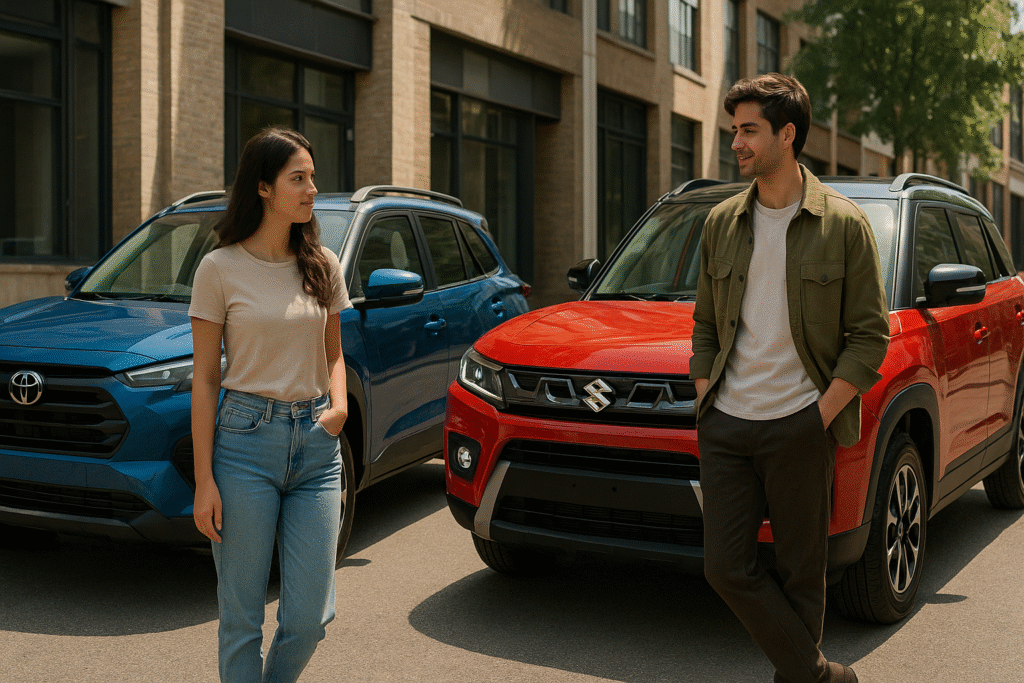
Choosing between two popular compact SUVs can feel overwhelming, especially when both vehicles offer compelling features at competitive price points. The Toyota Taisor vs Maruti Brezza debate has captivated Indian car buyers since both models entered the market, each bringing unique strengths to the table. Both vehicles compete in the hotly contested compact SUV segment, promising fuel economy, modern features, and practical design. Your decision ultimately depends on specific priorities like budget constraints, fuel efficiency requirements, brand preferences, and long-term ownership costs. Let’s break down every aspect of these two vehicles to help you make an informed decision that aligns with your needs and financial considerations. Performance and Engine Specifications Comparison The heart of any vehicle lies in its powertrain, and here the Toyota Taisor vs Maruti Brezza comparison reveals interesting differences. The Brezza gets a bigger 1.5-litre petrol engine, boasting an additional cylinder over the Toyota Taisor’s 1-litre three-cylinder engine. But while the Brezza is naturally aspirated, the Taisor’s engine is turbocharged. Toyota Taisor Engine Details: Maruti Brezza Engine Details: The Taisor’s turbocharged setup delivers stronger mid-range performance, making highway overtaking more confident. The Brezza’s larger displacement provides smoother operation and better refinement during city driving conditions. Fuel Efficiency: Real-World Mileage Numbers Fuel economy remains a deciding factor for most buyers, and both vehicles deliver impressive efficiency figures. Urban Cruiser Taisor provides the mileage of 21.71 kmpl and Brezza provides the mileage of 17.8 kmpl. Toyota Taisor Fuel Economy: Maruti Brezza Fuel Economy: The Taisor clearly wins the fuel efficiency battle, offering approximately 3-4 kmpl better mileage than the Brezza. This difference translates to significant savings over the vehicle’s lifetime, especially for high-mileage drivers. Toyota Taisor vs Maruti Brezza: Pricing Strategy Price comparison reveals both vehicles target different market segments within the compact SUV category. Current market positioning shows strategic pricing approaches from both manufacturers. Toyota Taisor Price Range: Maruti Brezza Price Range: The Taisor enters at a slightly lower price point, making it more accessible to budget-conscious buyers. Both vehicles offer competitive financing options through their respective manufacturer networks. Feature Comparison: Technology and Comfort Modern buyers expect comprehensive feature lists, and both vehicles deliver contemporary amenities across different price points. Toyota Taisor Key Features: Maruti Brezza Feature Highlights: As per the users experiences Maruti Brezza is a winner for you if you are seriously looking for mileage and features in your car. But Toyota Taisor is better on the grounds of performance, comfort, maintenance and safety. Read this blog to explore the 2025 Toyota Taisor updates, including new safety features and exciting color options. Safety Standards and Ratings Safety remains paramount, and both vehicles meet contemporary safety requirements with comprehensive protection systems. Toyota Taisor Safety Features: Maruti Brezza Safety Equipment: The Taisor holds a slight advantage with its 5-star Global NCAP rating, reflecting Toyota’s commitment to safety across all markets. Maintenance and Ownership Costs Long-term ownership expenses significantly impact the total cost of ownership, making this comparison crucial for budget planning. Toyota Taisor Maintenance: Maruti Brezza Maintenance: Maruti’s extensive service network provides convenience, while Toyota’s reputation for reliability suggests lower long-term maintenance requirements. Design and Build Quality Assessment Exterior styling and interior quality influence buyer decisions, with both vehicles offering distinct design philosophies. The Taisor follows Toyota’s global design language with sharp lines and aggressive front styling. Interior materials feel premium with good fit and finish quality. The cabin layout prioritizes ergonomics and user-friendly controls. The Brezza showcases Maruti’s evolved design approach with contemporary styling elements. Interior space feels generous with practical storage solutions. Build quality meets segment standards with improved material selection. Check out this blog to compare the Toyota Hyryder vs Creta safety ratings and see which SUV offers better protection. Target Audience and Use Cases Understanding your specific requirements helps determine the better choice between these two capable SUVs. Choose Toyota Taisor if you: Choose Maruti Brezza if you: How Castle Toyota Supports Your Car Buying Journey When considering the Toyota Taisor vs Maruti Brezza decision, having the right dealership support makes all the difference. Castle Toyota serves as your trusted partner throughout the vehicle selection and ownership process, offering comprehensive services that extend well beyond the initial purchase. Castle Toyota provides essential services including test drives, detailed price lists, comprehensive brochures, and car exchange programs. This dealership network understands that choosing between competitive vehicles requires hands-on experience and detailed information. Castle Toyota’s experienced sales consultants provide personalized guidance, helping you understand which vehicle better suits your specific driving patterns, budget constraints, and feature preferences. Their test drive program allows you to experience both vehicles under real-world conditions, making the Toyota Taisor vs Maruti Brezza comparison more meaningful. The dealership also offers transparent pricing, detailed feature comparisons, and financing assistance to make your purchase decision smoother and more informed. Making Your Final Decision The Toyota Taisor vs Maruti Brezza choice depends on your specific priorities and driving requirements. The Taisor excels in fuel efficiency, brand reliability, and highway performance, making it perfect for long-distance commuters and efficiency-focused buyers. The Brezza offers more interior space, extensive service network coverage, and competitive feature packages, appealing to families and first-time SUV buyers seeking value and practicality. Consider your budget, driving patterns, feature requirements, and long-term ownership goals when making this decision. Both vehicles offer compelling packages in their respective strengths. Ready to make your choice? Connect with Castle Toyota today to schedule test drives, explore financing options, and get personalized guidance for your Toyota Taisor vs Maruti Brezza decision. Their expert team will help you find the perfect SUV that matches your budget and lifestyle needs. Frequently Asked Questions Q1: Which car offers better fuel efficiency between Toyota Taisor and Maruti Brezza? The Toyota Taisor delivers superior fuel efficiency with up to 21.71 kmpl compared to Brezza’s 17.8 kmpl. The turbocharged engine and mild-hybrid technology contribute to Taisor’s better mileage performance. Q2: What is the price difference between Toyota Taisor vs Maruti Brezza base variants? The Toyota Taisor starts at approximately ₹7.89 lakh while the Maruti Brezza
Toyota Taisor vs Kia Sonet: Which Compact SUV Offers Better Value?
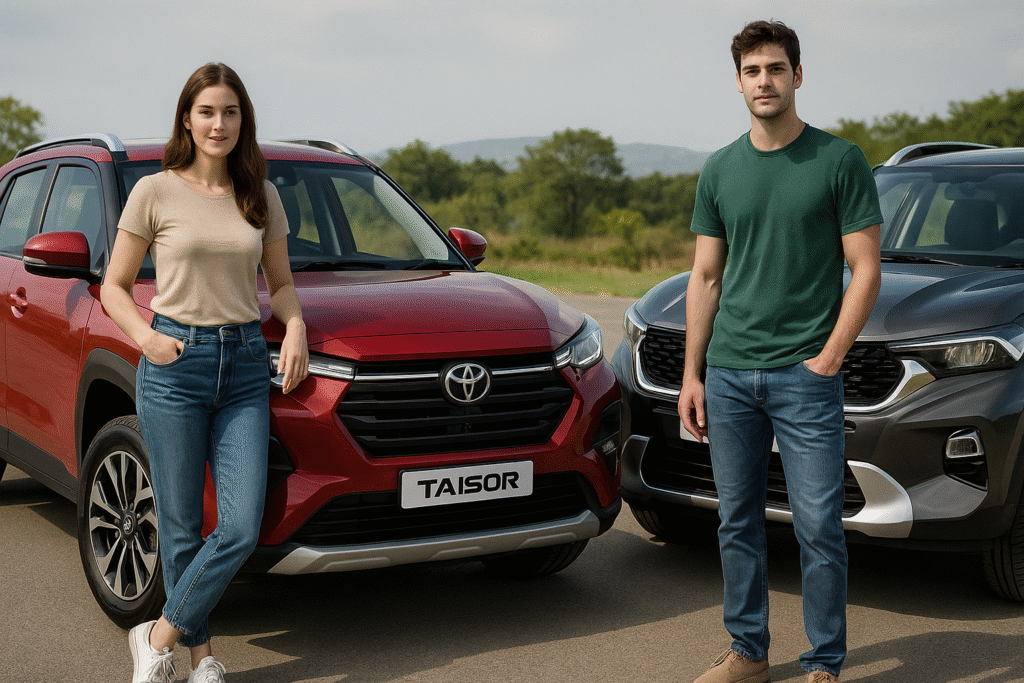
The compact SUV segment has become increasingly competitive, with buyers seeking vehicles that balance performance, features, and affordability. Two standout options in this space are the Toyota Taisor and Kia Sonet. Both vehicles target urban buyers who want SUV styling with practical city-friendly dimensions. Let’s examine how these two models stack up against each other. Overview: Toyota Taisor vs Kia Sonet Specifications The Toyota Urban Cruiser Taisor and Kia Sonet represent different approaches to the compact SUV market. The Taisor features a 3-cylinder, 1197cc engine generating 88.5 bhp at 6000 rpm, while the Sonet uses a 4-cylinder, 1197cc engine producing 82 bhp at 6000 rpm. This fundamental difference in engine configuration affects their performance characteristics and fuel economy. Key Specifications at a Glance: Engine Performance and Power Delivery Toyota Taisor Engine Analysis The Taisor’s three-cylinder setup prioritizes fuel economy while delivering adequate power for city driving. Real-world testing shows the Taisor performs better in 0-100 kmph acceleration tests and maintains quicker roll-on acceleration compared to the Sonet. The engine feels responsive during daily commuting, though it may lack the refinement some buyers expect from a four-cylinder unit. Kia Sonet Power Plant The Sonet’s four-cylinder engine offers smoother operation and better refinement at higher RPMs. While it produces less power on paper, the additional cylinder provides more balanced power delivery. The engine feels more composed during highway cruising and offers better NVH (noise, vibration, harshness) characteristics. Performance Comparison Winner In turbo-petrol automatic variants, the Toyota Taisor outpaces the Kia Sonet by nearly 1 second in 0-100 kmph sprints, though the gap narrows to less than 1 second in kickdown acceleration from 20-80 kmph. The Taisor takes the performance crown for buyers prioritizing acceleration and responsiveness. Read this blog to explore the Toyota Taisor vs Nissan Magnite comparison and discover which SUV is the better pick for you. Fuel Economy: Toyota Taisor vs Kia Sonet Mileage Fuel efficiency remains a crucial factor for compact SUV buyers. The Sonet delivers 18.4-18.83 kmpl while the Taisor achieves 20-21.7 kmpl in base model configurations. The Taisor’s three-cylinder engine design contributes to its superior fuel economy. Mileage Breakdown: The Taisor’s advantage becomes more apparent during city driving, where its lighter engine configuration and better aerodynamics contribute to lower fuel consumption. Interior Space and Comfort Features Both vehicles offer practical cabin space for their segment, but they approach interior design differently. The Sonet emphasizes premium materials and feature-rich environments, while the Taisor focuses on functional design and build quality. Toyota Taisor Interior Highlights The Taisor’s cabin reflects Toyota’s practical approach to interior design. Materials feel durable, and the layout prioritizes ease of use. The seats provide adequate support for daily commuting, though rear passengers may find space slightly limited during longer journeys. Kia Sonet Cabin Experience User experiences suggest the Kia Sonet excels in features compared to the Taisor. The cabin feels more upmarket with softer plastics and better attention to detail. Rear seat space is marginally better, and the overall ambiance feels more premium. Technology and Connectivity Features Modern buyers expect comprehensive connectivity and safety features. Both vehicles offer touchscreen infotainment systems, smartphone integration, and multiple USB ports. Digital Features Comparison The Sonet typically offers more advanced connectivity options, including larger touchscreen displays and more comprehensive smartphone integration. The Taisor provides essential connectivity features but may lack some of the premium technology options found in higher Sonet variants. Standard Technology Features: Check out this blog to compare Toyota Hyryder vs Brezza and find out which SUV is the right choice for you. Safety Ratings and Security Features Safety remains paramount in compact SUV selection. Both vehicles meet current safety standards, but they differ in their approach to active and passive safety systems. Toyota Taisor Safety Profile Toyota’s reputation for reliability extends to safety features. The Taisor includes essential safety equipment across variants, though it misses some advanced features like ADAS, TPMS, and front parking sensors that the Sonet offers. Kia Sonet Security Systems The Sonet typically includes more comprehensive safety packages, especially in higher variants. Features like ADAS (Advanced Driver Assistance Systems), TPMS (Tire Pressure Monitoring System), and front parking sensors are available in the Sonet but missing from the Taisor. Pricing Strategy: Value for Money Analysis The Toyota Taisor starts at ₹7.74 lakh while the Kia Sonet begins at ₹7.99 lakh, making the Taisor the more affordable option. This price difference becomes more significant when considering long-term ownership costs. Total Cost of Ownership The Taisor’s superior fuel economy and Toyota’s reputation for reliability suggest lower running costs over time. Service intervals, spare part availability, and resale value all favor the Toyota brand in the Indian market. Financing and Warranty Options Both manufacturers offer competitive financing schemes and warranty packages. Toyota’s extensive service network provides convenience advantages, while Kia offers competitive warranty terms that may appeal to first-time buyers. Design and Styling Preferences Visual appeal plays a significant role in compact SUV purchases. The Sonet adopts a bold, contemporary design language that appeals to younger buyers. The Taisor follows a more conservative approach that emphasizes functionality over flashiness. Exterior Design Language The Sonet’s aggressive styling includes distinctive LED lighting, bold body cladding, and a prominent grille design. The Taisor presents a cleaner, more understated appearance that ages well over time. Color Options and Customization Both vehicles offer multiple color choices and some degree of customization. The Sonet typically provides more vibrant color options, while the Taisor focuses on practical, mainstream colors. How Castle Toyota Supports Your Vehicle Purchase Decision Castle Toyota understands that choosing between compact SUVs like the Toyota Taisor vs Kia Sonet requires careful consideration of individual needs and preferences. As an authorized Toyota dealer, Castle Toyota provides comprehensive support throughout the vehicle selection and ownership journey. The dealership offers detailed vehicle comparisons, test drive opportunities, and transparent pricing information to help customers make informed decisions. Their experienced sales team understands the competitive landscape and can explain how the Taisor’s strengths align with specific customer requirements. Castle Toyota’s service network ensures long-term ownership
Toyota Taisor vs Nissan Magnite: Which Compact SUV Should You Buy in 2025?

The compact SUV segment has become the hottest battleground in the Indian automotive market. Two standout contenders vying for your attention are the Toyota Taisor and Nissan Magnite. Both vehicles promise to deliver the perfect blend of style, performance, and practicality at competitive price points. Choosing between these two popular models can be challenging, especially when both offer compelling features. This comprehensive Toyota Taisor vs Nissan Magnite comparison will help you make an informed decision based on performance, features, pricing, and overall value proposition. Toyota Taisor vs Nissan Magnite: Design and Dimensions Exterior Design Philosophy The Toyota Urban Cruiser Taisor follows a bold, contemporary design language that appeals to modern buyers. Its sleek silhouette features sharp character lines, a distinctive front grille, and stylish LED headlamps that create a commanding road presence. The vehicle sits on well-proportioned alloy wheels that complement its overall aesthetic. The Nissan Magnite takes a different approach with its more traditional SUV design. It features a robust, muscular stance with prominent wheel arches and a higher ground clearance that gives it a more rugged appearance. The V-motion grille and LED DRLs add to its premium appeal. Interior Space and Comfort When comparing interior dimensions, both vehicles offer comfortable seating for five passengers. The Toyota Taisor provides slightly better rear seat space and legroom, making it more suitable for families who frequently travel with passengers. The cabin quality feels premium with soft-touch materials and thoughtful storage solutions. The Nissan Magnite compensates with a more spacious boot area and clever storage compartments throughout the cabin. The dashboard design is clean and modern, with easy-to-reach controls that contribute to a user-friendly experience. Engine Performance and Fuel Efficiency Comparison Toyota Taisor Engine Specifications The Toyota Taisor comes with a 3-cylinder, 1197cc engine that generates 88.50 bhp at 6000 rpm. This naturally aspirated petrol unit delivers smooth power delivery and reliable performance for daily commuting and highway driving. The Taisor is available with both petrol and CNG fuel options, providing flexibility for cost-conscious buyers. The CNG variant offers excellent fuel economy, making it an attractive choice for those prioritizing running costs. Nissan Magnite Engine Performance The Nissan Magnite features a 4-cylinder, 999cc engine producing 71 bhp at 6250 rpm. While it has lower power output compared to the Taisor, the Magnite’s engine is known for its refinement and smooth operation in city driving conditions. The Magnite also offers a turbocharged variant that provides better performance characteristics, especially for those who enjoy spirited driving or frequently travel on highways. Fuel Economy Battle In terms of mileage, the Magnite provides 19.4 kmpl for the base model, while the Taisor delivers 21.7 kmpl. This makes the Toyota Taisor vs Nissan Magnite comparison favor the Taisor for fuel-conscious buyers. The Taisor provides a mileage of 21.71 kmpl, while the Magnite offers 19.4 kmpl, giving the Taisor a clear advantage in running costs over the long term. Read this blog to compare Toyota Urban Cruiser Taisor vs Kia Syros and find out which SUV offers the best features and performance. Features and Technology Showdown Infotainment and Connectivity Both vehicles come equipped with touchscreen infotainment systems that support Android Auto and Apple CarPlay. The Toyota Taisor features a user-friendly interface with crisp display quality and responsive touch controls. The system integrates well with smartphone connectivity and provides decent audio quality through its speaker setup. The Nissan Magnite matches these capabilities with its own infotainment system that includes additional connected car features. The interface is intuitive and offers good customization options for user preferences. Safety Features Comparison Safety remains a priority for both manufacturers. The Toyota Taisor comes with multiple airbags, ABS with EBD, and electronic stability control. The vehicle has performed well in safety assessments and offers good protection for occupants. The Nissan Magnite includes similar safety features with dual airbags in base variants and additional safety equipment in higher trims. Both vehicles meet current safety regulations and provide confidence-inspiring protection. Comfort and Convenience Features Air conditioning, power steering, and electric windows come standard on both models. The Toyota Taisor offers slightly better rear AC vents and more convenient charging points for electronic devices. The Nissan Magnite provides competitive comfort features including automatic climate control in higher variants and well-designed seating that supports longer journeys. Toyota Taisor vs Nissan Magnite: Pricing Analysis Base Variant Pricing The Nissan Magnite starts at ₹7.12 lakh (on-road, Noida) for the base variant, making it an accessible entry point into the compact SUV segment. The competitive pricing reflects Nissan’s strategy to capture price-sensitive buyers. The Toyota Taisor commands a slight premium over the Magnite, but this difference is justified by better fuel economy, brand reliability, and resale value considerations. The pricing structure remains competitive within the segment. Top-End Variant Value The turbo-petrol version of the 2024 Magnite is priced over ₹1 lakh less than the fully equipped turbo-petrol variants of the Taisor. This pricing advantage makes the Magnite attractive for buyers seeking maximum features at competitive prices. The higher-end Taisor variants justify their premium pricing through better build quality, superior fuel efficiency, and Toyota’s renowned after-sales service network. Real-World Performance and User Experience City Driving Characteristics Users have rated both cars equally for comfort, but the Toyota Taisor wins for mileage, maintenance, safety, and features, while the Nissan Magnite is better on performance grounds. This real-world feedback provides valuable insights for potential buyers. The Toyota Taisor excels in stop-and-go traffic with its smooth engine operation and comfortable suspension tuning. The steering is light and maneuverable, making parking and tight cornering effortless. The Nissan Magnite offers engaging driving dynamics with responsive handling and good road feedback. The suspension setup provides a balance between comfort and road holding capability. Highway Performance Both vehicles perform adequately on highways, but their characteristics differ. The Taisor provides stable cruising with good wind noise insulation and comfortable seating for longer journeys. The Magnite offers confident highway performance with its turbocharged engine option providing better overtaking capability when needed. Check out this blog for a detailed Toyota Hyryder
Toyota Urban Cruiser Taisor Vs Kia Syros: Comparision
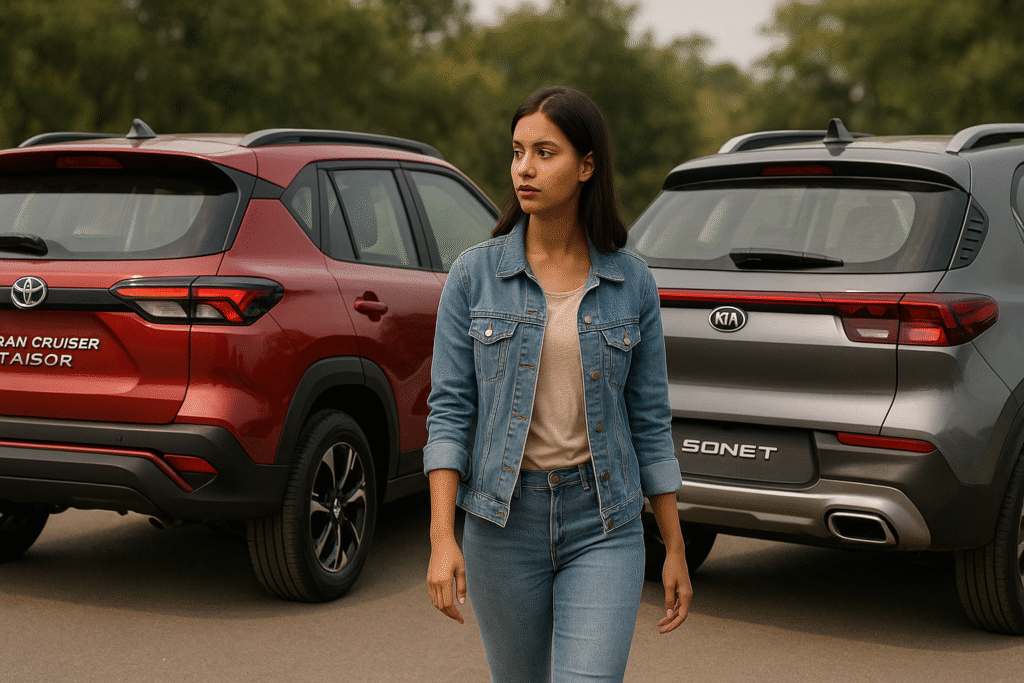
The compact SUV segment in India has witnessed fierce competition in recent years, with automakers launching vehicles that promise the perfect blend of urban convenience and adventure-ready capability. Two standout contenders in this space are the Toyota Urban Cruiser Taisor and the Kia Syros. This detailed Toyota Urban Cruiser Taisor Vs Kia Syros comparison will help you understand which vehicle better suits your needs, budget, and driving preferences. Both vehicles target urban millennials and families seeking a premium compact SUV experience, but they approach this goal differently. While the Taisor leverages Toyota’s reliability heritage with modern features, the Syros brings Kia’s contemporary design philosophy and advanced technology to the table. Design and Exterior: Style Meets Functionality Toyota Urban Cruiser Taisor Design Language The Toyota Urban Cruiser Taisor showcases a bold, contemporary design that departs from traditional Toyota styling cues. The SUV features a distinctive hexagonal grille with chrome accents, creating a commanding road presence. LED headlamps with DRLs provide excellent visibility while adding to the vehicle’s modern appeal. The Taisor’s ground clearance and rugged body cladding reinforce its SUV credentials, making it suitable for both city drives and weekend adventures. Key exterior highlights include: Kia Syros Exterior Appeal The Kia Syros takes a more futuristic approach with its design philosophy. The SUV incorporates Kia’s signature Tiger Nose grille, which has evolved into a more sophisticated interpretation. The Syros features sharp character lines, flush door handles, and a distinctive C-pillar design that enhances its premium appeal. The vehicle’s compact dimensions don’t compromise its road presence, thanks to carefully sculpted proportions. Notable design elements include: Interior Space and Comfort: Premium Cabin Experiences Toyota Urban Cruiser Taisor Interior Features The Taisor’s cabin emphasizes functionality without sacrificing comfort. The interior features a dual-tone color scheme with quality materials throughout. The dashboard layout is intuitive, with an 8-inch touchscreen infotainment system taking center stage. Storage solutions are thoughtfully integrated, making the cabin practical for daily use. Interior highlights include: Kia Syros Cabin Sophistication The Syros interior showcases Kia’s attention to detail and premium materials. The cabin features a modern dashboard design with soft-touch surfaces and metallic accents. The seat comfort is exceptional, with good support for long drives. The Syros offers more premium features compared to its price segment competitors. Key comfort features include: Engine Performance and Fuel Efficiency Toyota Urban Cruiser Taisor Engine Options The Toyota Urban Cruiser Taisor offers versatile powertrain options to suit different driving preferences. The primary engine is a 1.2-liter DualJet petrol engine that balances performance with fuel efficiency. Additionally, a 1.0-liter BoosterJet turbo petrol engine provides more spirited performance for enthusiastic drivers. Engine specifications: Kia Syros Powertrain Performance The Kia Syros comes equipped with more powerful engine options compared to the Taisor. The 1.0-liter T-GDI turbo petrol engine delivers impressive performance figures, while the 1.5-liter turbo diesel engine caters to buyers seeking better fuel economy and highway performance. Performance highlights: Read this blog to explore the Toyota Taisor vs Maruti Fronx comparison and find out which SUV is the better choice for you. Technology and Connectivity Features Toyota Urban Cruiser Taisor Tech Package The Taisor incorporates essential technology features expected in modern SUVs. The 8-inch touchscreen infotainment system supports smartphone connectivity through Apple CarPlay and Android Auto. The instrument cluster combines analog gauges with a digital display for trip information. Technology features include: Kia Syros Advanced Technology The Syros stands out with its comprehensive technology package that rivals premium segment offerings. The infotainment system is more advanced, featuring a larger touchscreen with intuitive interface design. Kia’s connectivity suite provides extensive smartphone integration and remote vehicle control capabilities. Advanced tech features: Safety Features and Ratings Toyota Urban Cruiser Taisor Safety Equipment Safety remains a Toyota priority, and the Taisor reflects this commitment with essential safety features across variants. The SUV includes multiple airbags, ABS with EBD, and electronic stability control. Higher variants add features like a 360-degree camera system for enhanced parking assistance. Safety highlights: Kia Syros Safety Excellence The Kia Syros has achieved a 5-star safety rating from BNCAP (Bharat New Car Assessment Programme), demonstrating its robust build quality and comprehensive safety features. The SUV includes advanced safety technologies that provide both active and passive protection. Safety achievements: Check out this blog for the complete pricing list of all new Toyota car models in India. Pricing and Value Proposition Toyota Urban Cruiser Taisor Pricing Strategy The Toyota Urban Cruiser Taisor Vs Kia Syros price comparison reveals interesting insights. The Taisor starts at approximately ₹7.21 lakh, positioning it as an accessible entry point into Toyota’s SUV lineup. The pricing strategy reflects Toyota’s intention to offer reliable transportation with essential features at competitive prices. Value considerations: Kia Syros Premium Positioning The Kia Syros commands a higher starting price of approximately ₹9.50 lakh, reflecting its premium positioning and comprehensive feature set. The pricing strategy aligns with Kia’s brand positioning as a technology-focused manufacturer offering contemporary design and advanced features. Value proposition: Castle Toyota: Your Trusted Partner for Toyota Vehicles When considering the Toyota Urban Cruiser Taisor, Castle Toyota emerges as a reliable destination for prospective buyers. Castle Toyota operates as an authorized Toyota dealer with experienced staff trained to provide comprehensive customer support throughout your vehicle ownership journey. The dealership offers essential services including test drives, detailed brochure consultations, competitive pricing information, and vehicle exchange programs. Castle Toyota’s commitment to customer satisfaction extends beyond the initial purchase. Their team of company-trained professionals ensures that every customer receives personalized attention, whether you’re exploring the Taisor’s features, understanding financing options, or scheduling service appointments. The dealership’s comprehensive approach includes online services for convenience, allowing customers to request test drives, download brochures, and access current price lists from their website. What sets Castle Toyota apart is their dedication to creating a delightful customer experience across all touchpoints. From the initial inquiry to after-sales service, their well-equipped facility and knowledgeable staff ensure that your Toyota ownership experience meets the brand’s renowned reliability standards. Maintenance and Ownership Experience Toyota Urban Cruiser Taisor Ownership Benefits Toyota’s reputation
Toyota Glanza Vs i20: Which Car Is Better

Choosing between the Toyota Glanza and Hyundai i20 can be a challenging decision for Indian car buyers. Both premium hatchbacks offer excellent value propositions, but each has distinct advantages that cater to different driving preferences and lifestyle needs. This detailed comparison will help you understand which car suits your requirements better. Introduction: The Premium Hatchback Battle The premium hatchback segment in India has witnessed intense competition over the years, with manufacturers constantly innovating to capture market share. The Toyota Glanza and Hyundai i20 represent two different philosophies in this space. While the Glanza leverages Toyota’s legendary reliability and partnership with Maruti Suzuki, the i20 showcases Hyundai’s commitment to feature-rich, contemporary design. For Indian families seeking a balance between affordability, features, and long-term ownership experience, both vehicles present compelling arguments. However, understanding their individual strengths and weaknesses is crucial for making an informed decision that aligns with your specific needs and budget. Toyota Glanza: The Reliability Champion Design and Aesthetics The Toyota Glanza presents a sophisticated design language that appeals to Indian sensibilities. Its front fascia features Toyota’s signature grille with chrome accents, giving it a premium appearance that distinguishes it from its Maruti counterpart. The LED projector headlamps and LED DRLs enhance visibility while adding a modern touch. The side profile maintains clean lines with well-proportioned dimensions that make it suitable for both city driving and highway cruising. The 15-inch alloy wheels complement the overall design, whilst the rear section features stylish LED tail lamps that ensure better visibility during night driving conditions. Engine Performance and Fuel Efficiency Under the bonnet, the Toyota Glanza is powered by a 1.2-litre K-Series petrol engine that delivers 90 PS of power and 113 Nm of torque. This engine is renowned for its reliability and fuel efficiency, making it an excellent choice for Indian driving conditions. The engine comes mated to either a 5-speed manual transmission or a CVT automatic transmission. The fuel efficiency figures are impressive, with the manual variant delivering approximately 22.35 kmpl and the automatic variant achieving around 19.56 kmpl. These figures make the Glanza an economical choice for daily commuting and long-distance travel across Indian roads. Interior Features and Comfort The cabin of the Toyota Glanza focuses on practicality and comfort. The interior features a dual-tone colour scheme with quality materials that feel premium to touch. The seats offer good support for both front and rear passengers, making it suitable for Indian families. The dashboard houses a 9-inch touchscreen infotainment system with Android Auto and Apple CarPlay connectivity. The system is intuitive and responds well to touch inputs. Additional features include automatic climate control, steering-mounted controls, and a multi-information display that provides essential vehicle information. Hyundai i20: The Feature-Rich Contender Design Excellence The Hyundai i20 showcases a bold and contemporary design that makes a strong visual statement. The cascading grille, sharp LED headlamps, and distinctive DRLs create an aggressive front profile that appeals to younger buyers. The parametric design elements throughout the body give it a unique identity in the premium hatchback segment. The side profile features a floating roofline design with distinctive character lines that add dynamism to its appearance. The diamond-cut alloy wheels and chrome door handles enhance the premium quotient, whilst the rear section with its connected LED tail lamps creates a modern and sophisticated look. Engine Options and Performance The Hyundai i20 offers multiple engine options to cater to different customer preferences. The 1.2-litre naturally aspirated petrol engine produces 83 PS of power and 114 Nm of torque. Additionally, there’s a 1.0-litre turbo-petrol engine that delivers 120 PS of power and 172 Nm of torque, providing sportier performance characteristics. The transmission options include a 5-speed manual, 6-speed manual (with turbo engine), CVT automatic, and 7-speed dual-clutch automatic. This variety ensures that buyers can choose the powertrain combination that best suits their driving style and preferences. Interior Luxury and Technology The i20’s interior represents Hyundai’s commitment to offering premium features and technology. The cabin features high-quality materials, ambient lighting, and a well-designed dashboard layout. The seats are comfortable and supportive, with the rear seat offering adequate space for Indian families. The highlight is the 10.25-inch touchscreen infotainment system with connected car technology, wireless charging, and a premium sound system. The digital instrument cluster, automatic climate control, and multiple USB charging ports enhance the overall user experience. Detailed Comparison: Key Parameters Pricing and Value Proposition The Toyota Glanza is positioned competitively in the premium hatchback segment, with prices starting from approximately ₹6.39 lakh for the base variant and going up to ₹9.69 lakh for the top-end automatic variant (ex-showroom). This pricing strategy makes it accessible to a broader range of Indian buyers whilst maintaining the Toyota brand premium. The Hyundai i20, on the other hand, commands a higher price point, starting from around ₹7.04 lakh for the base variant and extending to ₹11.40 lakh for the top-end turbo automatic variant. The higher pricing reflects the additional features and engine options offered by Hyundai. Fuel Efficiency and Running Costs Both vehicles offer excellent fuel efficiency, but the Toyota Glanza has a slight edge in this department. The Glanza’s proven K-Series engine delivers consistent fuel economy across various driving conditions, making it an economical choice for daily usage. The i20’s naturally aspirated petrol engine offers competitive fuel efficiency, whilst the turbo variant, despite offering more power, consumes slightly more fuel. However, the difference is marginal and may not significantly impact the overall ownership cost for most users. Safety Features Safety is a crucial consideration for Indian families, and both vehicles offer comprehensive safety packages. The Toyota Glanza comes equipped with dual airbags, ABS with EBD, electronic stability control, and ISOFIX child seat anchors as standard features across variants. The Hyundai i20 goes a step further with six airbags, electronic stability control, vehicle stability management, and hill-start assist control. The i20 also features a tyre pressure monitoring system and rear parking sensors, providing enhanced safety and convenience. After-Sales Service and Reliability Toyota’s service network in India is extensive, with over