
Toyota Vellfire Vs Kia Carnival: Which One Is Better

When you’re shopping for a luxury MPV in India, two names keep popping up: the Toyota Vellfire and the Kia Carnival. Both promise comfort, space, and features that make long drives feel like first-class travel. But here’s the thing: they’re worlds apart in price, powertrain, and purpose. So which one should you pick? Let’s break it down. Understanding The Price Gap The first thing you’ll notice when comparing the Toyota Vellfire Vs Kia Carnival is the massive price difference. The Vellfire starts at Rs 1.20 crore and goes up to Rs 1.30 crore (ex-showroom), while the Carnival is priced at Rs 59.42 lakh. That’s more than double the price. Why such a huge gap? The Vellfire comes to India as a completely built unit (CBU), which means higher import duties. The Carnival, on the other hand, is also a CBU but positioned differently in the market. If you’re visiting Castle Toyota in Jalandhar, the team can walk you through the pricing details and help you understand what you’re paying for. Design And Road Presence Both MPVs command attention, but in different ways. The Toyota Vellfire stands tall at 1,895mm with a bold chrome grille and sharp LED headlights. It looks imposing, almost intimidating. The 19-inch alloy wheels and the overall boxy design give it a presence that’s hard to miss. If you want people to turn their heads, the Vellfire delivers. The Kia Carnival is longer at 5,155mm and features Kia’s signature Tiger Nose grille. It has a more flowing design with sleek lines and 18-inch diamond-cut alloy wheels. Many people find the Carnival better-looking because it balances elegance with practicality. The sliding doors on both vehicles make entry and exit easy, especially in tight parking spots. Here’s a quick comparison: The Carnival’s longer wheelbase translates to more cabin space, which matters when you’re carrying a full load of passengers. Engine And Performance: Hybrid Vs Diesel This is where the Toyota Vellfire Vs Kia Carnival debate gets interesting. In short, the Vellfire is ideal for those seeking luxury, refinement, and efficiency, while the Fortuner Legender appeals to buyers who prioritise performance, robustness, and SUV versatility—both representing Toyota’s engineering strengths in very different ways. The Carnival features a 2.2-litre turbo diesel engine making 190 bhp and a hefty 441 Nm of torque. It’s paired with an 8-speed automatic transmission. The claimed mileage is 14.85 kmpl, which is respectable for a vehicle this size. What does this mean for you? The Vellfire offers a more refined, silent driving experience. The engine is whisper-quiet, and the hybrid system delivers power smoothly. If you do a lot of city driving, the electric-only mode at low speeds is a nice bonus. The Carnival feels more responsive and eager, especially when you need to overtake or merge on highways. That extra torque from the diesel engine gives it better pulling power. For long-distance trips with heavy loads, many drivers prefer the diesel’s grunt. Interior Comfort: Where Both Excel Step inside either vehicle, and you’ll understand why people spend this kind of money on an MPV. The Toyota Vellfire interior is finished in tan brown or neutral beige leather with wooden accents. The dashboard is clean with a large touchscreen. But the real star is the second row. The VIP Executive Lounge variant offers Ottoman-style captain seats with massage functions, heating, ventilation, and electric adjustment. It’s like having your own personal spa on wheels. The Carnival matches this with its own VIP lounge seats in the second row. These feature 14-way adjustment, leg support, heating, and ventilation. The dual 12.3-inch displays (one for the driver, one for infotainment) give the cabin a modern feel. The three-zone climate control means everyone can set their preferred temperature. Both vehicles seat seven people in a 2+2+3 configuration. The third row is actually usable in both, though the Vellfire offers slightly more legroom by sacrificing boot space. Speaking of boot space, here’s a major difference: the Carnival offers 540 litres with all seats up, while the Vellfire provides just 148 litres. If you travel with luggage, the Carnival makes more sense. Features That Matter When you’re spending this much, you expect every bell and whistle. Both vehicles deliver, but with different strengths. The Vellfire comes with a 14-inch touchscreen, JBL premium audio with 15 speakers, wireless charging, dual sunroofs (fixed glass panels), 360-degree camera, and Toyota Safety Sense. The head-up display projects speed and navigation onto the windshield, which is handy. The Carnival counters with dual 12.3-inch displays, a 12-speaker Bose sound system, wireless charging, dual electric sunroof (both panels open), 360-degree camera, and Level 2 ADAS with 33 autonomous features. The ADAS suite includes adaptive cruise control, lane-keeping assist, blind-spot monitoring, and automatic emergency braking. Both have 8 airbags (Vellfire has 6), both have powered sliding doors, and both offer connected car technology. If you stop by Castle Toyota, you can experience the Vellfire’s features firsthand and see how they compare to what you’ve read about the competition. Ride Quality And Driving Dynamics The Toyota Vellfire prioritizes comfort above all else. Its suspension effortlessly soaks up bumps and potholes, allowing you to glide over poor road surfaces while passengers barely feel a thing. The cabin remains exceptionally quiet thanks to excellent sound insulation. Body roll is noticeable around corners due to the soft suspension tuning, but that’s expected in a vehicle designed primarily for rear-seat comfort and chauffeur-driven use. On the other hand, buyers considering premium sedans often ask what safety features are available in the Toyota New Camry Hybrid. The Camry Hybrid comes equipped with Toyota Safety Sense, which includes advanced driver-assistance systems such as: The Carnival has firmer suspension tuning. It still rides comfortably, but you’ll feel a bit more of what’s happening on the road. The lower center of gravity helps reduce body roll, making it feel more car-like to drive. Some people prefer this, especially if they do a lot of highway driving. For city use, both handle well considering their size. The light steering
Toyota Vellfire Vs Toyota Alphard: Know the Difference

Choosing between two premium MPVs from the same manufacturer can feel overwhelming, especially when they share so much DNA. The Toyota Vellfire and Toyota Alphard are both luxury people movers that promise spacious cabins, cutting-edge technology, and that unmistakable Toyota reliability. But which one deserves a spot in your driveway? If you’re shopping at Castle Toyota, you’ll find these models represent the pinnacle of what a luxury MPV can offer. Both vehicles cater to buyers who refuse to compromise on comfort, whether they’re transporting family, entertaining clients, or simply enjoying the journey. Let’s break down the differences so you can make the right choice. Design Philosophy: Elegance vs Sportiness When you first see the Toyota Alphard and Vellfire side by side, the front fascia tells the story. The Toyota Alphard follows a “Bravely Magnificent” design language. It features a massive, shield-like chrome grille that commands attention without being overly aggressive. The front end exudes prestige and sophistication, with elegant LED headlamps and distinctive J-shaped daytime running lights. Chrome detailing around the fog lamps further enhances its upscale appearance. In comparison, the Toyota Camry reflects a more understated, executive form of luxury—sleek, refined, and focused on timeless elegance rather than sheer presence. If you value bold visual authority and limousine-like road presence, the Alphard delivers; if you prefer subtle sophistication with a premium sedan profile, the Camry represents Toyota’s luxury philosophy just as convincingly. The Vellfire takes a different approach with its “Bold and Fearless” aesthetic. It sports a more aggressive front with a six-bar horizontal chrome grille and sleeker headlamps. The fog lamp housings are L-shaped with chrome finishes, giving the Vellfire a sportier, more youthful character. This MPV appeals to buyers who want their vehicle to make a bold statement on the road. At the rear, both models share the same bumper and roof spoiler design. The main difference lies in the tail lamps. The Alphard features layered horizontal segments with wing-like styling for a refined look, while the Vellfire opts for clean rectangular tail lamps connected by an LED light bar for a more modern appearance. Interior Comfort: First-Class Experience on Wheels Step inside either vehicle and you’ll understand why these MPVs cost what they do. Both the Vellfire and Alphard offer interiors wrapped in premium Nappa leather, with captain seats in the second row that rival business-class airline seating. The second-row captain seats are the showpiece. They’re electrically adjustable in 10 directions, complete with ottoman footrests, seat ventilation, massage functions, and memory settings. All these features can be controlled via a detachable tablet, making it easy for passengers to customize their comfort. An overhead console integrates a 14-inch rear entertainment display with smart comfort programs. The Alphard typically offers a beige color theme with brown woodgrain trim, creating a warm and inviting atmosphere. The Vellfire, on the other hand, presents a black color theme with black woodgrain trim for a more contemporary feel. Both vehicles feature ambient lighting with 16 color options, allowing you to set the mood for any journey. Dual moonroofs and electric sunshades on the side and third-row windows ensure natural light fills the cabin while passengers maintain privacy. The third-row seats in both vehicles offer surprising comfort for adults, a rarity in this segment. Power and Performance: Hybrid Efficiency Meets Performance The Toyota Vellfire available in India comes with a 2.5-liter four-cylinder petrol engine paired with a strong hybrid system. This setup produces 190 horsepower and 240 Nm of torque, delivering smooth and refined performance. The hybrid system uses an underfloor battery pack and pairs with an e-CVT automatic transmission in an all-wheel-drive configuration. The claimed fuel efficiency stands at an impressive 19.28 km/l according to ARAI certification, making the Vellfire one of the most efficient vehicles in the premium MPV segment. In real-world conditions, owners typically see around 14-16 km/l depending on driving conditions and load. Global markets offer both vehicles with multiple engine options, including a 2.4-liter turbocharged petrol engine in some variants. The Alphard, in markets where it’s sold alongside the Vellfire, may come with similar powertrains or larger displacement options depending on the region. What makes these vehicles special is how the hybrid system operates. The electric motor assists during acceleration, the petrol engine handles highway cruising, and regenerative braking helps recharge the battery. The transition between electric and petrol power is seamless, creating a remarkably quiet and smooth driving experience. Technology and Safety Features Both vehicles come loaded with technology that makes every journey safer and more convenient. Toyota Safety Sense 3.0 serves as the foundation, providing an advanced driver assistance system. A 360-degree camera system gives full surround visibility, while automatic parking assist makes maneuvering these large MPVs in tight spaces effortless. The head-up display projects driving information directly in your line of sight. The T-Connect infotainment system includes a 14-inch touchscreen with Apple CarPlay and Android Auto integration. Audio duties are handled by a 15-speaker JBL sound system that creates an immersive listening experience. Four-zone automatic climate control with nanoe X air purification keeps the cabin fresh and comfortable for all passengers. Safety equipment includes multiple airbags, ABS with EBD, vehicle stability control, hill-start assist, and blind spot monitoring. Lane departure warning, rear cross-traffic alert, and tire pressure monitoring add extra layers of protection. The ISOFIX child seat mounts make it easy to install child safety seats properly. Pricing and Value Proposition To put this into perspective, the Toyota Camry vs Toyota Corolla comparison highlights just how wide Toyota’s product range really is. While the Toyota Camry caters to buyers seeking executive luxury, hybrid efficiency, and chauffeur-driven comfort at a far lower price point, the Toyota Corolla focuses on affordability, reliability, and everyday practicality. The Vellfire sits at the very top of this spectrum—offering limousine-like space, exclusivity, and comfort that go well beyond what even the Camry delivers. The Toyota Alphard, while previously available in India through grey imports, is not currently part of Toyota’s official lineup in the country. You can find used Alphard
Top 7 Toyota Cars Under 12 Lakhs in India
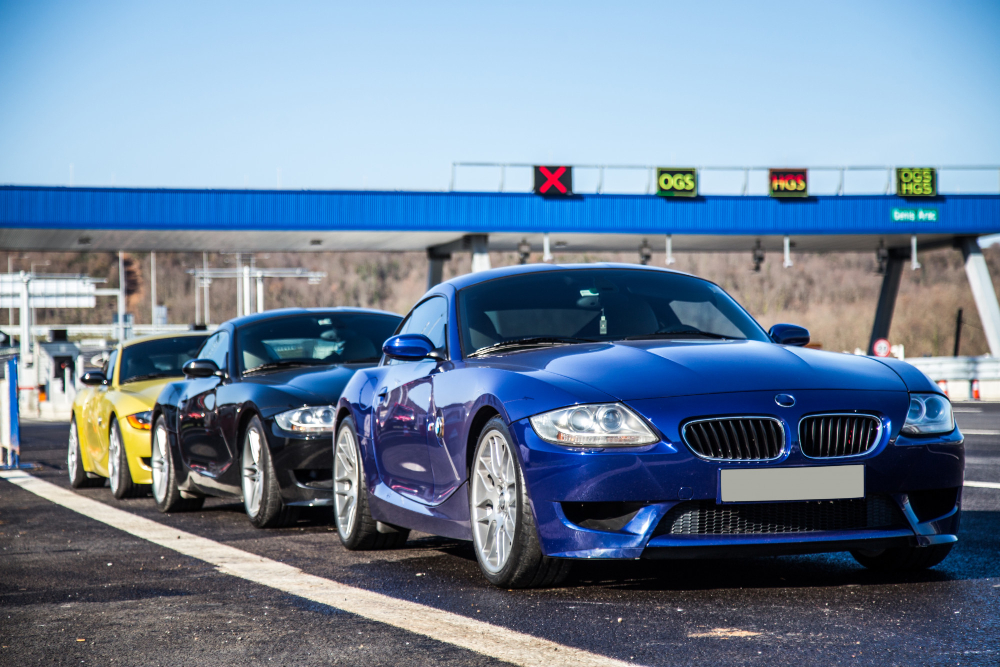
Finding a reliable car that fits your budget can feel overwhelming. If you’re looking at Toyota cars under 12 lakhs, you’re making a smart choice. Toyota has built a reputation for durability and low maintenance costs, which means your investment holds value over time. The Indian market offers several Toyota models in this price range, each designed for different needs. Whether you’re a first-time buyer, a growing family, or someone who values fuel efficiency, there’s a Toyota that matches your requirements. Let’s break down your options. Why Choose Toyota Cars Under 12 Lakhs? Toyota vehicles consistently rank high for resale value and long-term reliability. When you buy a Toyota, you’re not just getting a car—you’re investing in years of dependable performance. Models like the Toyota Glanza reflect this philosophy perfectly, offering a proven engine, low running costs, and strong resale demand in the premium hatchback segment. Additionally, Toyota’s extensive service network spans across India, making routine maintenance and repairs straightforward no matter where you live. For buyers with a 12 lakh budget, Toyota offers a mix of hatchbacks, compact SUVs, and MPVs. Each model comes with modern safety features, decent fuel economy, and the peace of mind that comes with the Toyota badge. If you’re shopping at Castle Toyota, you’ll find expert guidance on which model suits your lifestyle best. 1. Toyota Glanza: The Budget-Friendly Hatchback Starting Price: ₹6.39 lakh (ex-showroom) The Glanza is Toyota’s entry-level offering and one of the most affordable Toyota cars under 12 lakhs. This premium hatchback shares its platform with the Maruti Baleno but comes with Toyota’s warranty and service backing. Engine Options: Key Features: The Glanza packs a 9-inch touchscreen infotainment system with wireless Android Auto and Apple CarPlay. You get a heads-up display, automatic climate control, and six airbags as standard across all variants. The AMT automatic transmission option makes city driving easier. Fuel Efficiency: Petrol variants deliver 22.35-22.94 km/l, while the CNG option achieves an impressive 30.61 km/kg. For daily commuters watching their fuel costs, these numbers make real difference. Who Should Buy: First-time car buyers, small families, or anyone who wants Toyota reliability without breaking the bank. The Glanza offers 318 liters of boot space, enough for weekend getaways. 2. Toyota Urban Cruiser Taisor: The Stylish Compact SUV Starting Price: ₹7.21 lakh (ex-showroom) The Taisor sits between a hatchback and a compact SUV, offering higher ground clearance and a commanding driving position. It’s Toyota’s rebadged version of the Maruti Fronx, with distinctive styling tweaks. Engine Options: Key Features: You get a 360-degree camera, head-up display, and connected car technology. The dual-tone burgundy interior feels premium compared to all-black cabins. Higher variants come with 16-inch alloy wheels and LED projector headlamps. Fuel Efficiency: The naturally aspirated petrol returns 21.71-22.79 km/l, while the turbo option delivers 19.86-21.18 km/l. The CNG variant achieves 28.51 km/kg. Who Should Buy: Young professionals who want SUV styling but don’t need three rows. The 190mm ground clearance handles Indian road conditions well. Castle Toyota can help you choose between the naturally aspirated and turbo variants based on your driving style. 3. Toyota Rumion: The Family-Focused MPV Starting Price: ₹10.44 lakh (ex-showroom) The Rumion is Toyota’s answer to families needing seven seats. Based on the Maruti Ertiga, it offers flexible seating and strong fuel economy. Engine Options: Key Features: A 7-inch SmartPlay infotainment system supports wireless Android Auto and Apple CarPlay. The second and third rows fold down flat, converting the Rumion into a cargo hauler when needed. Rear AC vents with speed control keep all passengers comfortable. Fuel Efficiency: Petrol variants deliver 20.11-20.51 km/l, while the CNG option achieves 26.11 km/kg. Real-world reports show highway mileage can touch 31 km/kg for CNG variants after the initial break-in period. Who Should Buy: Growing families, cab operators, or anyone who regularly transports six or seven people. The 209 liters of boot space expands significantly when you fold the rear seats. Multiple transmission options include a 5-speed manual and 6-speed automatic. 4. Toyota Urban Cruiser Hyryder (Base Variants): The Hybrid Option Starting Price: ₹10.95 lakh (ex-showroom) While the top variants exceed 12 lakhs, the base E variant of the Hyryder fits within budget. This is Toyota’s first mass-market hybrid SUV in India. Engine Options: Key Features: Even base variants get automatic climate control, projector headlamps, and a rear defogger. The hybrid system provides electric motor assistance during acceleration, reducing fuel consumption. Fuel Efficiency: The hybrid variants deliver up to 27.97 km/l, making them the most fuel-efficient option among Toyota cars under 12 lakhs. The CNG option offers practical economy for high-mileage drivers. Who Should Buy: Eco-conscious buyers who want to reduce their carbon footprint without going fully electric. The hybrid system works seamlessly in stop-and-go traffic, making it perfect for city driving. 5. Toyota Glanza V AMT: The Automatic Hatchback Price: Around ₹9.44 lakh (ex-showroom) The top-spec Glanza variant deserves separate mention for buyers who want automatic transmission without stepping up to an SUV. Why It Stands Out: This variant includes all premium features while staying well under 12 lakhs. The AMT gearbox makes commuting less tiring, especially in heavy traffic. Additional Features: 360-degree camera, six airbags, ESP, and hill-hold assist come standard. The digital instrument cluster provides all driving information at a glance. 6. Toyota Urban Cruiser Taisor Turbo: The Performance Pick Price Range: ₹10.00-11.99 lakh (ex-showroom for manual variants) The turbo-petrol Taisor offers more punch than naturally aspirated engines, making highway overtakes confident. Performance: The 1.0L turbo delivers 147.6 Nm of torque, noticeably more responsive than the standard engine. Post-2,500 rpm, the three-cylinder motor comes alive. Features: Connected LED tail lamps, cruise control, and wireless phone charging enhance the driving experience. The manual transmission turbo variants stay within the 12 lakh budget. 7. Toyota Rumion S MT: The Value MPV Price: ₹10.44 lakh (ex-showroom) The base manual transmission Rumion offers seven-seater practicality at an accessible price point. Smart Choice For: Budget-conscious large families who need space more than luxury. You still get essential safety features like dual airbags,
How Many High Mileage Toyotas We Got Out There?

If you’ve ever wondered why Toyotas seem to run forever, you’re not alone. Drive through any neighborhood and you’ll spot 15-year-old Camrys still making their daily rounds. Ask mechanics which cars last longest, and Toyota models consistently top their lists. The numbers back this up: research shows that Toyotas have a 17.8% predicted chance of reaching 250,000 miles, nearly four times the industry average of 4.8%. So how many high mileage Toyotas are actually out there? More than you’d think. Way more. The Reality of Toyota Longevity Let’s talk about what high mileage really means. For most cars, around 200,000 miles is when a vehicle is expected to begin the end of its life. But Toyota models play by different rules—and the Toyota Glanza is a good example of this reputation. Known for its reliable engine, efficient performance, and low maintenance costs, the Glanza is designed to handle high mileage far better than many competitors when properly serviced. With regular oil changes, timely part replacements, and routine servicing, a Toyota Glanza can often continue running smoothly well beyond what’s considered “high mileage” for most cars, making it a dependable long-term ownership option. The Toyota Sequoia leads all vehicles with a 39.1% chance of reaching 250,000 miles, more than eight times the industry average. The 4Runner isn’t far behind at 32.9%, and even the family-friendly Highlander Hybrid clocks in at 31%. These aren’t flukes. In 2020, 1.6 percent of used Toyotas sold had over 200,000 miles on the odometer and were still on the road. That might sound small, but it’s massive when you compare it to other brands. Real Stories from Real Owners The data tells one story, but real-world examples paint an even more compelling picture. Mike Neal, a delivery driver from North Carolina, drove his 2008 Toyota Tacoma to an astonishing 1.6 million miles. That’s not a typo. He averaged 125,000 miles annually and kept the truck running through disciplined, regular maintenance. Remarkably, the original engine and transmission remained operational for most of its lifespan, with Neal only replacing the transmission after 1.3 million miles. Stories like this explain why Toyota’s reputation for longevity extends across its entire lineup, not just trucks. Even Toyota cars under ₹7 lakh, such as entry-level hatchbacks in markets like India, are engineered with the same core philosophy—durable engines, proven mechanicals, and long-term reliability. While these affordable models may not rack up a million miles, they are well known for comfortably crossing high mileage benchmarks when serviced properly, making Toyota a trusted choice even at lower price points. Then there’s Victor Sheppard, who racked up over 1 million miles on his 2007 Toyota Tundra in just 9 years on the original engine and transmission. Toyota was so impressed they invited him to their headquarters to study the truck. Even less extreme examples are remarkable. Michael Lipperman owns a 2001 Toyota with over 500,000 miles. He’s driven to New York and back over 100 times, plus maintains a daily 120-mile commute. The original engine and transmission are still going strong. Why Toyotas Keep Running What makes these vehicles different? The answer lies in Toyota’s approach to building cars. Engineering Philosophy Toyota sticks with reliable systems instead of chasing every new trend. They improve their cars little by little instead of rushing big changes. While other manufacturers race to adopt the latest technology, Toyota refines proven designs. Many of their engines, such as Toyota’s 2UZ-FE V8 and the 1GR-FE V6, have been refined over multiple generations, ensuring they are bulletproof in real-world conditions. This conservative approach might seem boring, but it delivers results. Quality Control Every Toyota vehicle undergoes rigorous testing, including extreme weather simulations, stress tests, and endurance runs that mimic years of real-world driving. These steps help identify potential weak points before a car reaches customers. The Toyota Production System focuses on continuous improvement and quality checks at every step. This manufacturing methodology has become the gold standard in the automotive industry. Real-World Performance Data The reliability ratings speak for themselves. In the 2025 U.S. Vehicle Dependability Study, Toyota ranks 3rd among mass-market brands with 162 problems per 100 vehicles. That’s fewer issues three years into ownership compared to most competitors. RepairPal gives Toyota a Reliability Rating of 4.0 out of 5, ranking it 8th out of 32 brands. The average annual repair cost is $441, notably below the industry average of $652. Lower repair costs mean Toyota owners spend less keeping their cars running. Which Toyota Models Last Longest? Not all Toyotas are created equal when it comes to extreme longevity. Here’s the breakdown: Top Performers The Sequoia dominates the longevity rankings. Toyota secures 10 of the top 25 positions for vehicles most likely to hit 250,000 miles. After the Sequoia, the 4Runner, Highlander Hybrid, and Tundra all show exceptional staying power. The Tacoma stands out in the midsize truck category with a 25.3% chance of reaching 250,000 miles. That’s three times the industry average. Sedan Champions A well-maintained Toyota Corolla can run for 250,000 to 300,000 miles, with many owners keeping them for 15 years or more. The Corolla has been in the Toyota lineup since the early 70s, meaning the design and components have been refined over many decades. The Camry performs similarly well. According to Consumer Reports, a well-maintained Camry can last between 200,000 and 300,000 miles. One Florida owner certified by a local Toyota dealer drove a 1999 Camry past 500,000 miles. Even the Avalon, Toyota’s larger sedan, earns its place on the longevity list with an 18.9% chance of reaching 250,000 miles. Hybrid Durability Hybrids faced skepticism when they first appeared. Would the batteries last? Would the complex systems fail? The data shows these concerns were unfounded. A 2017 Toyota Prius reached 546,000 miles, proving hybrid technology can endure. Manfred Dvorak, an Austrian taxi driver, drove his Prius over 621,000 miles, all on the original battery while in use. He reported the Prius never broke down and still maintained its ability to accelerate and handle quickly.
Which Car Is More Better Tata or Toyota?

Choosing between Toyota and Tata cars can feel like comparing apples to oranges. Both brands have carved distinct identities in the Indian automotive market, each bringing something different to the table. Toyota is a Japanese giant with global recognition for reliability, while Tata Motors represents homegrown engineering focused on safety and affordability. If you’re standing at this crossroads, wondering which brand deserves your hard-earned money, you’re not alone. Thousands of Indian buyers face this question every month. The answer isn’t straightforward because it depends on what matters most to you: bulletproof reliability, upfront affordability, resale value, or cutting-edge safety features. This guide breaks down the Toyota vs Tata debate across every angle that matters. By the end, you’ll know exactly which brand fits your budget, lifestyle, and long-term goals. Understanding the Brand Philosophy Before comparing specific models, let’s look at what each brand stands for. Toyota: Built on Global Reliability Toyota Motor Corporation, founded in 1937 and headquartered in Toyota City, Japan, has grown into one of the largest car manufacturers worldwide, producing over 10 million vehicles annually. The brand is known for cars that keep running long after competitors have called it quits. When you visit Castle Toyota, a trusted Toyota Dealer in Jalandhar, you’re not just buying a car, you’re investing in decades of proven engineering. Toyota, Maruti Suzuki, and Hyundai dominate the resale market because of long-standing reliability and trust from buyers. That reputation isn’t accidental; it comes from consistent quality control and a conservative approach to technology that prioritizes longevity over flashy features. Tata Motors: India’s Safety Champion Tata Motors is an Indian multinational automotive manufacturing giant headquartered in Mumbai. What sets Tata apart is their commitment to making safety accessible at every price point. Tata Motors has earned a reputation as a trendsetter for the industry, with cars achieving the coveted 5-star rating by Bharat-NCAP across petrol, diesel, and CNG powertrains. The brand has transformed dramatically over the past decade. Gone are the days when Indian cars meant compromise. Today, Tata vehicles compete head-to-head with international brands on safety ratings while keeping prices within reach of middle-class families. Price and Affordability: Who Wins on Your Budget? Let’s talk about money. For most Indian families, this is where the rubber meets the road. Tata: More Features per Rupee The Tata Tiago is the most affordable car from Tata, starting at ₹5.65 Lakh. Tata’s pricing strategy gives you more cars for less money. A Tata Nexon loaded with features costs significantly less than a comparable Toyota. Here’s what makes Tata attractive on price: For budget-conscious buyers or first-time car owners, Tata delivers serious bang for your buck. You get modern design, good safety, and plenty of features without stretching your budget to breaking point. Toyota: Higher Initial Cost, Lower Long-term Expenses Toyota cars demand a premium upfront, as reflected in the pricing list of all new Toyota car models in India, which currently range from ₹6.39 lakh to ₹2.25 crore. But that initial investment often pays dividends over time. Castle Toyota customers frequently discover that what seems expensive initially becomes economical over five years of ownership. Lower maintenance costs, better fuel efficiency in real-world conditions, and minimal breakdown risks help offset the higher purchase price. Think of it this way: Tata gives you more today. Toyota gives you more tomorrow. Resale Value: The Great Equalizer This is where Toyota pulls ahead dramatically. Toyota Holds Value Like Few Others An average Toyota holds about 68% of its value if you sell it after 5 years of ownership. That’s exceptional. Cars in India lose 40-50% of their value after 3 years, but models with strong resale like the Swift or Fortuner retain 65-80%, significantly reducing depreciation loss. 3-year-old Fortuners sell for nearly the same price as their original invoice value due to Toyota’s legendary reliability and periodic price hikes on new models. That’s remarkable. Your Toyota becomes a liquid asset. When it’s time to upgrade, you’ll recoup far more money than expected. Castle Toyota sees this firsthand. Customers trade in 5-year-old Toyota vehicles and are pleasantly surprised by trade-in values that dwarf what other brands offer. Tata’s Improving But Still Behind Tata cars have improved in resale value as quality perceptions change. Models like the Nexon and Harrier hold value better than Tata cars from a decade ago. But they still depreciate faster than Toyota equivalents. The gap is narrowing as Tata’s reputation for safety and build quality spreads. But for now, if resale value matters to you, Toyota remains the safer bet. Safety: Tata Takes a Bow Safety is where Tata genuinely shines. Tata’s Safety Revolution The Tata Safari and Harrier achieved a five-star Global NCAP rating for adult and child occupant protection with the highest score in Global NCAP’s #SaferCarsForIndia campaign. The Tata Nexon created history in 2018, becoming the first Indian car to get a 5-star safety rating from Global NCAP. Tata hasn’t stopped there. The new Tata Altroz scored a 5-star rating for both adult and child occupant protection, with the premium hatchback awarded 29.65 points out of 32 in AOP and 44.90 out of 49 in COP. Even budget models get strong crash protection. What’s impressive is that Tata makes safety standard, not optional. Six airbags, electronic stability control, and robust body structures come even on lower variants. You don’t need to stretch to the top model to protect your family. Toyota: Safe, But More Selective The Toyota Innova Hycross has a 5-star safety rating for both adult and child occupant protection, with 30.47/32 and 45/49 points, respectively. Toyota cars are undeniably safe. But safety features tend to concentrate in higher variants. Castle Toyota ensures all models meet stringent safety standards. But if you’re comparing entry-level offerings, Tata gives you more safety equipment right out of the box. Reliability and Maintenance: Toyota’s Home Turf This is where Toyota built its reputation, and it shows. Toyota: The Low-Drama Ownership Experience Toyota cars are known to run 1-2 lakh kilometres with very little fuss as
Which Toyota Cars Has 30 Kmpl Mileage?

Fuel economy matters. Whether you’re navigating city traffic or planning a long highway drive, getting the most kilometers per liter can save you thousands of rupees annually. Toyota has built a reputation for producing vehicles that balance performance with exceptional mileage, and several models come impressively close to or exceed the 30 kmpl mark. If you’re shopping for a Toyota that delivers outstanding fuel efficiency, this guide breaks down which models hit that sweet spot and what makes them so economical. Understanding Toyota’s Fuel-Efficient Lineup Toyota’s engineering philosophy centers on reliability and efficiency. The brand has invested heavily in hybrid technology and refined conventional engines to push mileage figures higher than many competitors. For buyers at Castle Toyota, understanding which models deliver 30 kmpl or better helps narrow down choices based on real-world driving needs. The 30 kmpl benchmark represents excellent fuel economy in the Indian market. While some vehicles claim higher figures under ideal test conditions, real-world driving typically yields lower results. The models discussed here have proven track records of delivering strong mileage in actual use. Toyota Glanza: The Compact Champion The Toyota Glanza stands out as one of the most fuel-efficient options in the hatchback segment. This compact car delivers an ARAI-certified mileage of up to 30.61 kmpl in its CNG variant, making it an excellent choice for city commuters. The petrol-manual version of the Glanza offers around 22.35 kmpl, which is respectable but falls short of the 30 kmpl target. However, the CNG option transforms this vehicle into a mileage champion. The 1.2-liter engine paired with CNG fuel achieves remarkable efficiency without sacrificing too much performance. Real-world owners report getting between 26-28 kmpl in mixed driving conditions with the CNG variant, which still represents excellent value. City driving tends to yield slightly lower figures, while highway cruising can push numbers closer to the certified rating. Toyota Urban Cruiser Hyryder: Hybrid Technology at Work The Toyota Urban Cruiser Hyryder introduces strong hybrid technology to the compact SUV segment. The strong hybrid variant delivers an ARAI-certified mileage of 27.97 kmpl, coming close to the 30 kmpl mark while offering SUV practicality. This vehicle uses a 1.5-liter Atkinson cycle petrol engine combined with an electric motor. The hybrid system allows the car to run on electric power alone at low speeds, significantly boosting fuel economy in stop-and-go traffic. The regenerative braking system captures energy typically lost during deceleration, feeding it back into the battery. Customers at Castle Toyota often ask about the practical differences between hybrid and conventional engines. The Hyryder demonstrates how hybrid technology can deliver near-30 kmpl performance in a vehicle that sits higher and offers more interior space than a traditional hatchback. The mild-hybrid variant with CNG capability pushes mileage figures even higher, achieving approximately 26.1 km per kg of CNG. While this doesn’t translate directly to kmpl, the cost savings prove substantial. Toyota Camry Hybrid: Luxury Meets Efficiency For buyers seeking luxury without compromising fuel economy, the Toyota Camry Hybrid presents a compelling case. This executive sedan achieves an ARAI-certified mileage of 23.24 kmpl, which might seem below the 30 kmpl target at first glance. The Camry uses a 2.5-liter petrol engine paired with an electric motor in Toyota’s Hybrid Synergy Drive system. The larger engine displacement and heavier vehicle weight impact mileage compared to smaller cars, but the figures remain impressive for a vehicle in this class. What makes the Camry noteworthy is how it maintains strong mileage despite offering powerful acceleration and premium features. The hybrid system intelligently switches between electric, petrol, and combined power modes to optimize efficiency based on driving conditions. Toyota Innova Hycross: MPV Efficiency Redefined The Toyota Innova Hycross brings hybrid technology to the popular MPV segment. The strong hybrid variant delivers approximately 23.24 kmpl according to AREI certification, which represents a significant achievement for a vehicle of this size and passenger capacity. This seven or eight-seater uses a 2.0-liter petrol engine combined with an electric motor. The hybrid system helps offset the fuel consumption typically associated with larger, heavier vehicles designed to carry multiple passengers and luggage. For families who need the space of an MPV but worry about fuel costs, the Innova Hycross strikes a balance. While it doesn’t quite reach 30 kmpl, it delivers far better mileage than traditional MPVs while maintaining the practicality that makes the Innova nameplate so popular. How Toyota Achieves High Mileage Figures Toyota employs several technologies to push fuel efficiency higher across its lineup. Understanding these systems helps explain why certain models achieve better mileage. The Atkinson cycle engine operates differently than conventional Otto cycle engines. By keeping intake valves open longer, it extracts more work from each combustion cycle, improving thermal efficiency. This design sacrifices some low-end torque but gains significantly better fuel economy. Hybrid Synergy Drive coordinates the petrol engine and electric motor to maximize efficiency. At low speeds, the electric motor can propel the vehicle alone. During acceleration, both power sources work together. When cruising, the system uses whichever option proves most efficient at that moment. Regenerative braking captures kinetic energy during deceleration and converts it to electrical energy for the battery. This system recovers energy that would otherwise dissipate as heat in conventional brake pads, improving overall efficiency by 10-15% in city driving. CNG systems deliver excellent mileage figures because natural gas burns more completely than petrol and costs less per unit of energy. The trade-offs include reduced boot space for the CNG tank and slightly less power output. Real-World Mileage vs. Certified Figures ARAI (Automotive Research Association of India) conducts standardized tests under controlled conditions to certify vehicle mileage. These tests help compare vehicles on an equal basis, but real-world driving involves variables that impact actual fuel consumption. Driving patterns affect mileage substantially. Aggressive acceleration, frequent braking, and high speeds all reduce efficiency. City traffic with constant stops typically yields 15-20% lower mileage than highway cruising at steady speeds. Vehicle maintenance matters too. Properly inflated tires, clean air filters, and regular servicing help maintain optimal
Toyota hilux: An in-depth Guide to Price, Features, And Performance in India

The Toyota Hilux has earned a legendary reputation worldwide as one of the toughest pickup trucks ever built. After decades of global success, this beast finally arrived in the Indian market in January 2022, and it’s been turning heads ever since. If you’re considering a lifestyle pickup truck that can handle everything from daily commutes to extreme off-road adventures, the Hilux deserves your attention. This guide covers everything you need to know about the Toyota Hilux, from pricing and variants to features and real-world performance. Whether you’re a first-time buyer or comparing options, we’ll break down what makes this truck special. What Makes the Toyota Hilux Special? The Hilux isn’t just another pickup truck. It’s built on Toyota’s IMV (Innovative International Multi-purpose Vehicle) platform, the same foundation used for the Fortuner. This means you get SUV-like comfort with genuine truck capability. The Hilux comes to India as a Completely Knocked Down (CKD) unit, assembled at Toyota’s Bidadi plant in Karnataka. This approach helps keep costs somewhat reasonable compared to a full import, though it still sits in the premium segment. What sets the Hilux apart is its body-on-frame construction with a ladder frame chassis. This old-school design philosophy means the truck can take serious punishment without falling apart. The vehicle rides on double-wishbone suspension up front and leaf springs at the rear, a setup that balances on-road comfort with off-road durability. Toyota Hilux Price in India The Hilux is positioned as a premium lifestyle pickup truck, and the pricing reflects this positioning. As of 2025, the Toyota Hilux is available in two main variants: The Standard 4×4 MT variant starts at approximately Rs. 30.40 lakh, while the top-spec High 4×4 AT variant is priced around Rs. 36.80 lakh (ex-showroom, Delhi). These prices can vary slightly depending on your city and any ongoing offers. Yes, it’s expensive for a pickup truck. But consider what you’re getting: a globally proven workhorse with legendary reliability, strong resale value, and capabilities that few vehicles in India can match. For accurate, up-to-date pricing in your area, it’s worth visiting Castle Toyota to discuss current offers and financing options. Dealerships often have information about seasonal promotions that aren’t advertised online. Toyota Hilux Features: What’s Inside? The Toyota Hilux features list is surprisingly comprehensive for a vehicle designed primarily as a working truck. Let’s look at what you get across the two variants. Exterior Design and Build The Hilux has a commanding road presence. It measures 5,325 mm in length, 1,855 mm in width, and stands 1,815 mm tall. The wheelbase stretches 3,085 mm, providing stability and a decent turning radius despite the truck’s size. The front end features Toyota’s signature hexagonal grille with chrome detailing. LED projector headlamps with LED DRLs come standard, giving the truck a modern look. The muscular fenders and high ground clearance of 279 mm make it clear this truck means business. The cargo bed measures 1,520 mm in length and 1,645 mm in width, with a payload capacity of up to 500 kg. That’s enough space for most recreational gear, building materials, or camping equipment. The tailgate opens flat and can support considerable weight. Deciding between the Toyota Vellfire and the Mercedes-Benz V-Class? Read this blog to discover which luxury MPV is better for you! Interior Comfort and Technology Step inside, and you’ll find a cabin that’s more Fortuner than bare-bones work truck. The dashboard layout is clean and functional, with an 8-inch touchscreen infotainment system taking center stage. This system supports Android Auto and Apple CarPlay, along with voice recognition and a six-speaker sound system. The automatic variant gets push-button start, automatic climate control, and cruise control. The seats are upholstered in fabric (standard variant) or a mix of fabric and leather-like material (high variant), and they’re surprisingly comfortable for long drives. Rear passengers get decent legroom, though the upright seating position and firm cushioning remind you this is still a truck at heart. Storage spaces are abundant, with multiple cupholders, door pockets, and a useful center console. One feature worth highlighting: the instrument cluster includes a multi-information display that shows real-time data like pitch and roll angles, inclinometer readings, and four-wheel-drive status. This comes in handy when you’re navigating tricky terrain. Safety Equipment Toyota hasn’t skimped on safety. The Hilux comes with seven airbags as standard, including driver and passenger airbags, side airbags, curtain airbags, and a driver knee airbag. Other safety features include ABS with EBD, vehicle stability control, hill start assist, and trailer sway control. The automatic variant adds downhill assist control, which helps maintain controlled speeds when descending steep slopes. There’s also a reverse camera with parking sensors, making it easier to maneuver this large truck in tight spaces. Performance: How Does the Toyota Hilux Drive? Here’s where things get interesting. The Toyota Hilux runs on a 2.8-liter, four-cylinder turbocharged diesel engine. This is the same 1GD-FTV engine found in the Fortuner, and it produces 204 PS of power and 500 Nm of torque. You get two transmission options: a six-speed manual or a six-speed automatic. Both are paired with a four-wheel-drive system that includes a low-range transfer case for serious off-roading. On-Road Behavior On the highway, the Hilux feels planted and stable. The steering is light enough for city driving but weighs up nicely at speed. The ride quality is surprisingly good for a truck, though you’ll definitely notice the leaf-spring rear suspension when the bed is empty. Load some weight back there, and the ride smooths out considerably. The diesel engine provides strong mid-range pull, making overtaking confident and stress-free. Fuel efficiency hovers around 10-12 km/l in mixed driving conditions, which is reasonable given the vehicle’s size and weight. One thing to note: the Hilux is long and wide. Parking in crowded city areas takes practice, and narrow lanes can be challenging. This isn’t a vehicle for everyone’s daily commute. Off-Road Capability This is where the Hilux truly shines. Switch into four-wheel-drive mode, engage the rear differential lock, and this truck will go
Toyota Hyryder Vs Kia Seltos Comparison

Choosing between the Toyota Hyryder vs Kia Seltos feels like picking your favorite child both have their charm, but only one gets the garage space. You’re standing at the crossroads of hybrid efficiency and turbo performance, wondering which compact SUV deserves your hard-earned money. This isn’t just another spec sheet comparison. We’re diving deep into real-world experiences, ownership costs, and the little details that matter when you’re stuck in traffic every morning. Design and Looks: Beauty Contest Between Two Stunners Hyryder’s Understated Elegance The Toyota Hyryder plays it safe with clean, flowing lines that whisper sophistication rather than shout for attention. Its front grille integrates seamlessly with sleek LED headlamps, creating a face that ages gracefully. The side profile maintains Toyota’s signature understated approach nothing too flashy, but everything feels purposeful. Seltos Commands Attention The Kia Seltos, on the other hand, struts down the street like it owns the place. Sharp character lines cut across the body, while the tiger-nose grille demands respect at traffic lights. Those connected LED tail lamps? They’re basically automotive jewelry that makes other SUVs look plain. Winner: This comes down to personality. Conservative buyers lean toward Hyryder, while those wanting street presence pick Seltos. Engine Performance: Hybrid vs Turbo Showdown Hyryder Hybrid vs Seltos Petrol Mileage: The Efficiency Champion Here’s where things get interesting. The Hyryder’s 1.5L K15C engine paired with mild-hybrid technology delivers an impressive 27.97 kmpl in city conditions. That’s your wallet thanking you every time you pass a fuel station. The Seltos 1.5L turbo engine produces more punch with 160 PS compared to Hyryder’s 116 PS, but drinks fuel at 16.8 kmpl. Simple math: Hyryder saves you approximately ₹15,000 annually in fuel costs alone. Real-World Fuel Efficiency Comparison In stop-and-go traffic where most of us spend our lives, the Hyryder’s hybrid system shines. Electric assistance during low-speed crawling means the petrol engine takes frequent breaks. The Seltos fights back with superior highway performance, where its turbo comes alive above 2000 RPM. Key Performance Differences: Technology and Features: Modern Convenience Battle Infotainment: Kia Connect vs Toyota i-Connect The Kia Connect system feels like using a modern smartphone – intuitive, responsive, and packed with over-the-air updates. Voice commands actually work, and the 10.25-inch touchscreen responds without the frustrating lag that makes you want to throw your phone at it. Toyota’s i-Connect system gets the job done but lacks the pizzazz of Kia’s offering. The interface feels a generation behind, though it’s reliable and rarely crashes. ADAS in Seltos vs Hyryder 360° Camera The Seltos brings Level-2 ADAS to the table with features like: The Hyryder counters with a 360° camera system that makes parking in tight spots feel like a video game. Plus, Toyota Safety Sense 2.0 covers the basics without overwhelming you with beeps and warnings. Comfort Features Breakdown Ventilated seats availability differs significantly: Air purifier: Both offer this feature, but Seltos integrates it better with cabin air quality monitoring. When comparing protection on the road, the Toyota Hyryder VS Creta Safety Rating reveals which SUV offers superior safety features for you and your family. Drive Experience: Hyryder AWD vs Seltos FWD City Driving Dynamics For the best SUV for city driving, the Hyryder takes the crown. Its CVT transmission feels smoother in traffic, and the hybrid system’s silent operation reduces stress during long commutes. The steering is light enough for easy parking but doesn’t feel disconnected from the road. The Seltos offers more engaging driving with its 6-speed automatic and turbo engine. However, the firmer suspension that feels great on highways can get tiring on broken city roads. Highway Performance On the expressway, the Seltos comes alive. The 1.5L turbo engine refinement surpasses the Hyryder’s naturally aspirated mill, especially during overtaking maneuvers. Triple-digit speeds feel more composed in the Seltos, while the Hyryder starts showing its limits above 120 kmph. Space and Practicality: Family-Friendly Features Comparison Interior Space Both SUVs offer similar dimensions, but the Seltos feels airier thanks to better cabin design. The panoramic sunroof in higher Seltos variants creates an illusion of more space that passengers love. Storage Solutions: Boot Space Reality Check The Seltos offers 433 liters of boot space compared to Hyryder’s 401 liters. That’s one extra suitcase for your family vacation, which matters more than you think. Cost of Ownership: Where Your Money Goes Hyryder vs Seltos Maintenance Costs Toyota’s reputation for reliability translates into lower maintenance costs over 5 years. Expect to save approximately ₹25,000 in service costs compared to the Seltos. Toyota’s extensive service network means you’ll find authorized centers even in smaller towns. Kia offers competitive service packages, but spare parts cost marginally more than Toyota’s. However, the 3-year unlimited mileage warranty provides better initial peace of mind. Which SUV Has Better Resale Value? Toyota traditionally holds value better, with the Hyryder expected to retain 65-70% value after 3 years. The Seltos, being newer in the market, shows 60-65% retention, though this gap is narrowing as Kia builds brand trust. If you’re deciding your next ride, the Toyota Hyryder vs. Honda Elevate comparison helps you see which SUV outshines in performance, features, and value. How Castle Toyota Enhances Your Hyryder Experience When you’re ready to make the Hyryder your own, Castle Toyota goes beyond just selling you a car. Their comprehensive approach includes genuine Toyota parts, trained technicians, and transparent service pricing that removes the guesswork from ownership costs. What sets Castle Toyota apart is their understanding of local driving conditions and customer needs. They offer personalized service packages that align with your driving patterns, whether you’re a city commuter or weekend highway warrior. Their test drive experience lets you experience the Hyryder’s hybrid system in real traffic conditions, not just empty parking lots. Plus, their exchange car program simplifies the transition from your current vehicle to the Hyryder with competitive valuations. The service team provides detailed explanations of hybrid system maintenance, helping you maximize fuel efficiency and system longevity. This educational approach ensures you get the most value from your hybrid investment.
Toyota Hyryder VS Creta Safety Rating

When you’re choosing between two popular SUVs, the Hyryder vs Creta safety rating often becomes the deciding factor for safety-conscious families. Both vehicles promise to keep your loved ones protected, but their crash test results tell different stories. The Toyota Hyryder has earned a 4-star Global NCAP rating for adult occupant protection, while the Hyundai Creta received a 3-star rating in the same category. But there’s more to this safety comparison than just star ratings. Let’s dive deep into what these numbers really mean for your family’s protection. Understanding the Safety Ratings: What the Stars Really Mean Global NCAP Hyryder vs Creta ratings reveal significant differences in crash protection. The Toyota Urban Cruiser Hyryder achieved four stars for adult and three for child occupant protection, while the Hyundai Creta scored three stars for both adult and child occupant protection. Here’s what these ratings translate to in real-world scenarios: 4-Star Rating (Hyryder): 3-Star Rating (Creta): Think of it like this: if both cars hit the same obstacle at identical speeds, the Hyryder’s passengers are more likely to walk away with fewer injuries. Which is Safer: Hyryder or Creta? – The Complete Breakdown Adult Occupant Protection Comparison The adult occupant protection comparison shows clear differences between these SUVs. The Hyryder’s superior 4-star rating comes from: The Creta’s 3-star performance indicates: Child Safety Score Toyota vs Hyundai Both vehicles received 3-star ratings for child protection, but with different strengths: Hyryder Child Safety Features: Creta Child Safety Features: The child safety score Toyota vs Hyundai shows both manufacturers take young passenger protection seriously, though implementation varies. Safety Features Face-Off: Hyryder 6 Airbags vs Creta 6 Airbags Both SUVs offer six airbags in their top variants, but deployment and effectiveness differ: Airbag Configuration Comparison Hyryder Airbag Setup: Creta Airbag Setup: The key difference isn’t quantity but quality of deployment and integration with other safety systems. Technology Battle: ADAS in Creta vs Hyryder 360 Camera Modern safety goes beyond passive protection to active accident prevention. Hyundai Creta Safety Tech: Toyota Hyryder Safety Tech: The Creta edges ahead in preventive safety technology, while the Hyryder focuses on situational awareness and control. Discover key differences in performance, design, and features with the Toyota Hyryder VS Maruti Grand Vitara comparison for your perfect Toyota choice. Electronic Stability Control Comparison: How They Keep You on Track Electronic stability control comparison reveals both vehicles prioritize keeping you safely on the road: Hyryder’s Stability Systems: Creta’s Stability Features: Both systems work similarly but use different sensors and algorithms to maintain vehicle control during emergency maneuvers. Real-World Safety Performance: Beyond the Numbers While asking “Is 4-star Hyryder safer than 3-star Creta?” the answer isn’t just about ratings. Consider these real-world factors: Build Quality Differences: Driver Assistance Reality: Safety Pros and Cons of Hyryder and Creta Toyota Hyryder Pros: Toyota Hyryder Cons: Hyundai Creta Pros: Hyundai Creta Cons: Explore the Top 10 Toyota Most Expensive Car in India, showcasing premium design, luxury features, and powerful performance for elite car buyers. Why Castle Toyota Makes the Safety Choice Clearer When you’re researching the best family SUV for crash safety, having expert guidance makes all the difference. Castle Toyota’s experienced team understands that safety isn’t just about specifications on paper. They provide comprehensive vehicle demonstrations where you can experience the Hyryder’s safety features firsthand. Their service department also ensures your safety systems remain optimally calibrated through regular maintenance. What sets Castle Toyota apart is their commitment to educating customers about real-world safety performance, not just marketing numbers. They offer detailed explanations of how each safety feature works and when you’d actually need them. This approach helps families make informed decisions based on their specific driving needs and safety priorities. Making the Right Choice for Your Family The safety comparison ultimately depends on what matters most to your family: Choose Hyryder if: Choose Creta if: The Bottom Line on SUV Safety Both vehicles offer adequate protection for most driving scenarios. The Hyryder provides superior crash protection when accidents occur. The Creta offers better technology to help prevent accidents altogether. Your driving style, family needs, and risk tolerance should guide your decision. Remember, the safest car is the one whose safety features you understand and use correctly. Whether you’re comparing Hyundai Creta crash test footage with Hyryder results or analyzing feature lists, both SUVs represent significant improvements over older vehicles in their segments. The Hyryder vs Creta safety rating comparison shows Toyota’s focus on passive safety excellence, while Hyundai emphasizes active safety innovation. Ready to experience Toyota’s superior safety firsthand? Visit Castle Toyota for a comprehensive test drive and safety feature demonstration. Our experts will help you understand exactly how the Hyryder’s safety systems protect your family, making your decision easier and more informed. Frequently Asked Questions Q1: Is the Toyota Hyryder really safer than the Hyundai Creta? Yes, the Hyryder has a superior 4-star Global NCAP rating compared to Creta’s 3-star rating for adult occupant protection. However, Creta offers more advanced driver assistance features that can help prevent accidents from occurring in the first place. Q2: Do both cars have the same number of airbags? Both vehicles offer six airbags in their top variants, including front, side, and curtain airbags. The difference lies in deployment effectiveness and integration with other safety systems, where the Hyryder shows better performance in crash tests. Q3: Which car has better child safety features? Both received 3-star ratings for child protection, with similar ISOFIX anchor points and rear safety features. The Hyryder’s stronger overall structure may provide slightly better protection, but both are adequate for family use with proper child seat installation. Q4: Are the safety technologies in Creta worth the lower crash rating? Creta’s SmartSense ADAS features like collision warning and lane keeping assist can prevent many accidents before they happen. If you primarily drive on highways and want active safety tech, these features may outweigh the crash rating difference. Q5: How important is the one-star difference in Global NCAP ratings? The difference between 3 and 4 stars represents measurable
Toyota Hyryder VS Maruti Grand Vitara Comparison
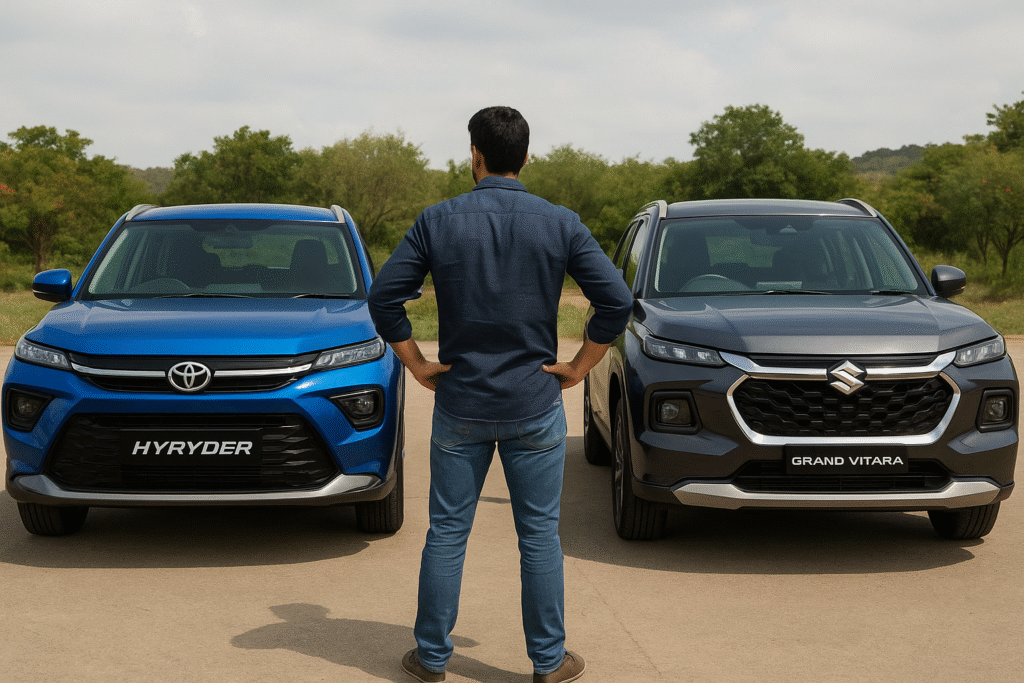
Stuck between choosing the Toyota Hyryder vs Maruti Grand Vitara for your next family SUV? You’re not alone. These twin SUVs have been creating quite a buzz since their launch, and for good reason. They’re essentially siblings sharing the same DNA but with distinct personalities that could make or break your buying decision. Let’s dive deep into what sets these two apart and help you pick the perfect SUV for your needs. The Tale of Two Brothers: Understanding the Basics Think of the Toyota Hyryder vs Maruti Grand Vitara as fraternal twins raised by different families. Both SUVs roll out from the same production line in Gujarat, sharing identical underpinnings, dimensions, and even engines. But here’s where it gets interesting – Toyota and Maruti have dressed them up differently, giving each its own character and appeal. Key Similarities at a Glance: Engine Performance: Hyryder Strong Hybrid vs Grand Vitara Mild Hybrid Here’s where the rubber meets the road, literally. The Hybrid Showdown Both SUVs offer two engine options, but the hybrid mileage story is where things get spicy. Strong Hybrid System (Both Models): Mild Hybrid System: Engine Refinement: K15C vs 1.5L NA While both use the same K15C engine, there are subtle differences in calibration. The Grand Vitara feels slightly more responsive in mild hybrid form, while the Hyryder prioritizes smoothness. Both strong hybrid versions are whisper-quiet and offer that satisfying electric-only driving experience in traffic. Hyryder vs Grand Vitara Features: The Devil’s in the Details This is where choosing between these siblings gets tricky. Technology and Infotainment: Toyota i-Connect vs Suzuki Connect Maruti Grand Vitara takes the tech crown with: Toyota Hyryder counters with: Safety and Convenience Features ADAS in Grand Vitara vs Hyryder is a game-changer. Maruti Grand Vitara offers: Toyota Hyryder provides: Comfort Features Comparison Ventilated seats availability is limited to higher variants in both SUVs. Grand Vitara edges ahead with: Hyryder counters with: Find out which SUV suits you best in the Toyota Hyryder VS Brezza comparison, exploring features, performance, and value for money. Design Philosophy: Beauty is in the Eye of the Beholder The Toyota Hyryder vs Maruti Grand Vitara design battle is purely subjective. Exterior Styling Grand Vitara rocks: Hyryder offers: Interior Design and Quality Both SUVs share the same dashboard layout but differ in: Material Quality: Family-Friendly Features Comparison When you’re buying an SUV for the family, these details matter. Best SUV for City Driving Both excel in urban environments, but here’s the breakdown: For Daily Commuting: For Weekend Getaways: Practicality Winners Storage Solutions: Rear Seat Comfort: Ownership Experience: Which SUV Has Better Resale Value? This is where Toyota’s legacy shines through. Resale Value Analysis Toyota Hyryder typically offers: Maruti Grand Vitara provides: Hyryder vs Grand Vitara Maintenance Costs Service and Maintenance: Grand Vitara wins on: Hyryder offers: Pricing: Where Your Money Goes Both SUVs are priced competitively, with marginal differences. Price Positioning: Value Proposition: Discover the best Toyota Cars Under ₹15 Lakhs, offering style, performance, and reliability at an affordable price for Indian car buyers. Castle Toyota: Your Gateway to the Perfect SUV Experience When you’re ready to take the next step in your SUV journey, Castle Toyota stands ready to transform your car buying experience. As a dedicated Toyota dealership, Castle Toyota offers more than just vehicles they provide comprehensive automotive solutions. From helping you explore the Hyryder’s impressive hybrid technology through detailed test drives to offering transparent financing options, their approach is refreshingly straightforward. What sets Castle Toyota apart is their commitment to long-term relationships rather than just transactions. Their service department ensures your Hyryder remains in peak condition, while their parts and accessories team helps you customize your SUV exactly to your preferences. Whether you’re trading in your current vehicle or exploring financing options, their team works to make the entire process smooth and transparent. The dealership’s focus on customer education means you’ll understand exactly what you’re getting with the Hyryder’s advanced hybrid system, helping you make the most of your investment from day one. The Verdict: Making Your Choice Choosing between the Toyota Hyryder vs Maruti Grand Vitara isn’t about finding a clear winner it’s about finding the right fit for your priorities. Choose the Grand Vitara if: Choose the Hyryder if: Final Thoughts The Toyota Hyryder vs Maruti Grand Vitara debate ultimately comes down to what you value most in your SUV ownership journey. Both offer excellent hybrid technology, practical family-friendly features, and competitive pricing. Your choice should align with your long-term ownership priorities and brand preferences. Whether you lean toward the Grand Vitara’s feature-rich offering or the Hyryder’s reliability promise, both represent excellent value in the competitive SUV segment, making the Toyota Hyryder vs Maruti Grand Vitara comparison a win-win situation for SUV buyers. Ready to experience the Toyota Hyryder firsthand? Visit Castle Toyota for a comprehensive test drive, transparent pricing, and expert guidance. Book your test drive today and discover which SUV perfectly matches your lifestyle and driving needs. Frequently Asked Questions Q1: Which offers better fuel efficiency – Hyryder hybrid vs Grand Vitara hybrid mileage? Both strong hybrid versions deliver identical real-world mileage of 25+ kmpl in city conditions and 22+ kmpl on highways, as they use the same hybrid powertrain technology. Q2: Is the ADAS in Grand Vitara vs Hyryder worth the extra cost? The Grand Vitara’s ADAS package is more comprehensive and user-friendly, offering better value for safety-conscious buyers who frequently drive on highways or in heavy traffic conditions. Q3: Which SUV has better resale value after 3 years? Toyota Hyryder typically maintains 5-10% better resale value due to Toyota’s brand reputation, though both SUVs hold their value reasonably well in the market. Q4: Are Hyryder vs Grand Vitara maintenance costs significantly different? Grand Vitara generally has 10-15% lower routine maintenance costs and wider service network availability, while Hyryder may require fewer repairs due to superior build quality. Q5: Which is the best SUV for city driving – Hyryder or Grand Vitara? Both excel in city conditions with light steering and