
Is Toyota Glanza a Good Car
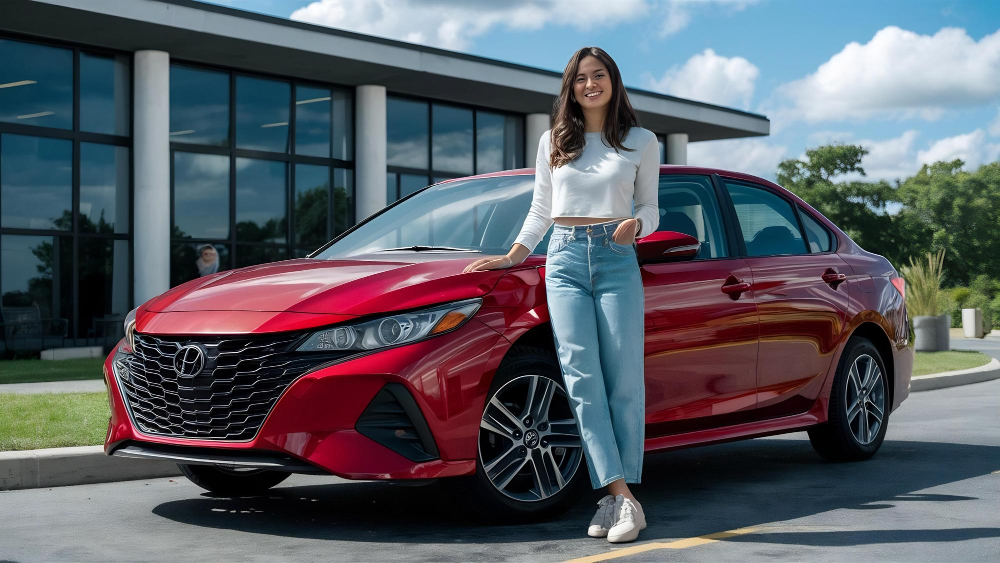
Choosing a premium hatchback can feel overwhelming, especially when you’re deciding between popular options like the Toyota Glanza, Maruti Baleno, Hyundai i20, and Tata Altroz. The Toyota Glanza has been making waves in the Indian market since its launch, but the big question remains: is it actually worth your money? This guide breaks down everything you need to know about the Glanza. We’ll cover its real-world performance, safety features, pricing, maintenance costs, and how it compares to its rivals. By the end, you’ll have a clear picture of whether this hatchback fits your needs. What Exactly Is the Toyota Glanza? The Toyota Glanza is a premium hatchback based on the Maruti Suzuki Baleno. It’s part of a partnership between Toyota and Suzuki, where both companies share platforms and technology. While the Glanza shares its underpinnings with the Baleno, Toyota adds its own badge and warranty package to differentiate the offering. The car is available in multiple variants: E, S, G, and V. You can choose between manual and AMT (automated manual transmission) options for most variants. The Glanza also offers a CNG option in S and G variants for those looking to save on fuel costs. Here’s what makes the Glanza stand out from its Suzuki twin: Engine Performance and Driving Experience The Toyota Glanza comes with a 1.2-liter K-Series DualJet Dual VVT petrol engine. This naturally aspirated four-cylinder engine produces 89 bhp at 6,000 rpm and 113 Nm of torque at 4,400 rpm. While these numbers might not sound exciting on paper, the engine delivers adequate power for city driving and highway cruising. Real-world performance tells a different story than spec sheets. In city traffic, the Glanza feels responsive with smooth acceleration from standstill. The light steering makes maneuvering through tight parking spots easy. Highway performance is decent, though you’ll notice the engine working harder during overtaking maneuvers above 80 km/h. The 5-speed manual transmission is smooth, with well-defined gates that make gear changes effortless. The AMT option works well for those who prefer two-pedal driving, though it’s not as refined as a CVT or torque converter automatic. There’s a slight lag during gear changes, and it can feel jerky in stop-and-go traffic. CNG variants produce 77.5 PS with 98.5 Nm of torque. The power drop is noticeable, but the trade-off comes in running costs. CNG variants deliver an impressive fuel efficiency of 30.61 km/kg according to ARAI. Fuel Efficiency: Does It Live Up to Claims? Fuel efficiency is one area where the Glanza truly shines. The ARAI-certified mileage figures are: Real-world mileage typically falls slightly below these figures. Most owners report around 17-19 kmpl in city conditions and 20-22 kmpl on highways with the petrol variants. The AMT tends to deliver better fuel economy than the manual in heavy traffic. For comparison, the Hyundai i20 delivers around 20 kmpl, while the Tata Altroz returns similar figures to the Glanza. If fuel efficiency is your top priority, the Glanza and Baleno are hard to beat in this segment. Safety Features: What Protection Does It Offer? Safety has become a major consideration for Indian car buyers, and the Glanza comes equipped with several protective features. As of July 2025, all variants now come with six airbags as standard, a significant improvement that puts it ahead of many competitors. Standard safety equipment includes: The higher-spec G and V variants also feature a heads-up display, which projects speed and other information onto the windshield, allowing you to keep your eyes on the road. Safety Ratings: How Does It Measure Up? The Toyota Glanza has not undergone crash testing by Global NCAP or Bharat NCAP yet. Since it shares its platform with the Maruti Baleno, the Baleno’s recent Bharat NCAP results provide some insight. The Maruti Baleno scored: While the Glanza is expected to receive similar ratings when tested, potential buyers should note that the Tata Altroz has already achieved a five-star Global NCAP rating. If safety is your absolute top priority, the Altroz currently leads on paper. Crash test results showed that the Baleno (and by extension, the Glanza) provided good protection for head and neck in frontal offset tests. Protection for chest, pelvis, and tibia ranged from marginal to adequate. Side impact and pole impact tests showed good overall performance. Interior Space and Comfort The Glanza offers a spacious cabin for a hatchback. Here’s what you get in terms of dimensions: Front seat occupants get plenty of headroom and legroom. The driver’s seat offers good visibility, and the high seating position gives you a commanding view of the road. The seats are comfortable for long drives, though they lack thigh support for taller passengers. Rear seat space is one of the Glanza’s strong points. Three adults can sit reasonably comfortably, though the middle passenger might find the rear AC vent panel protruding into their legroom. The rear bench doesn’t recline, and there’s no rear armrest even in top variants. Boot space at 318 liters is adequate for weekend trips or grocery runs. You can fit two large suitcases and a couple of small bags. The 60:40 split-folding rear seats add versatility when you need to carry longer items. The loading lip is somewhat high, which can make loading heavy items challenging. Features and Technology The Toyota Glanza comes loaded with features, especially in higher variants. Here’s what you get depending on the trim level: Infotainment and Connectivity: Comfort Features: Convenience Features: One notable omission is a sunroof, which competitors like the Hyundai i20 and Tata Altroz offer. If a sunroof is on your must-have list, you’ll need to look elsewhere. The infotainment system is responsive and easy to use. The 9-inch screen size is adequate, and the wireless smartphone connectivity works well. The Arkamys-tuned sound system delivers clear audio, though audiophiles might find it lacking bass depth. Build Quality and Reliability Toyota has a reputation for reliability, and the Glanza benefits from this brand image. The car is built at Maruti’s facility using the HEARTECT platform, which is known for