
Why Toyota Glanza Is Same as Baleno
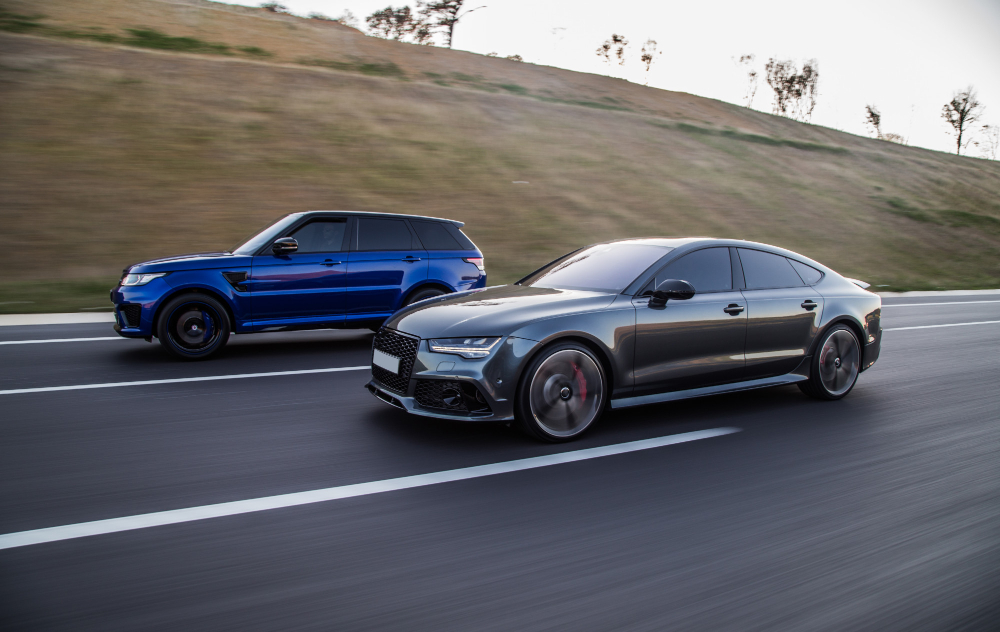
If you’ve been shopping for a premium hatchback in India, you’ve probably noticed something odd. The Toyota Glanza vs Maruti Suzuki Baleno look almost identical. They drive similarly. They even have the same engines. So what’s the deal? Are these two cars actually the same vehicle with different badges? The short answer is yes. The Toyota Glanza is essentially a rebadged Maruti Suzuki Baleno. This arrangement stems from a partnership between Toyota and Suzuki, two automotive giants that have found a way to benefit from each other’s strengths in the Indian market. Let’s break down exactly why these cars are twins and what it means for you as a buyer. The Partnership Behind the Badge In 2017, Toyota and Suzuki signed a memorandum of understanding to explore collaboration opportunities. By 2019, they formalized a partnership that would allow both companies to share technology, manufacturing facilities, and vehicle platforms. The reasoning was straightforward. Suzuki dominates the small car segment in India but wanted access to Toyota’s hybrid technology and global reach. Toyota, meanwhile, wanted to expand its presence in India’s highly competitive compact car market without investing heavily in developing new small car platforms from scratch. This partnership resulted in badge engineering, where one manufacturer produces a vehicle that another company sells under a different brand name with minor cosmetic changes. The Glanza became the first product of this collaboration when it launched in June 2019. What Makes Them Identical Platform and Architecture Both the Glanza and Baleno are built on Suzuki’s Heartect platform. This lightweight yet rigid architecture forms the foundation of several Maruti Suzuki vehicles. The platform design, dimensions, wheelbase, and structural elements remain identical across both models. The cars share the same 3990mm length, 1745mm width, and 1500mm height. The wheelbase measures 2520mm in both vehicles. Even the ground clearance of 170mm stays consistent. From a structural standpoint, these are the same car. Engine and Performance Under the hood, you’ll find identical powertrains, including the reliable Toyota Glanza engine configuration. Both vehicles currently offer a 1.2-liter four-cylinder petrol engine that produces 90 PS of power and 113 Nm of torque. The transmission options are also the same: a five-speed manual or an automated manual transmission (AMT).The fuel efficiency figures match perfectly. Manual variants of both cars deliver around 22.35 km/l, while the AMT versions offer approximately 22.94 km/l. These numbers come from identical engine tuning and weight distribution.Performance characteristics like acceleration, top speed, and handling feel virtually the same because the suspension setup, steering mechanism, and brake systems are shared components. Interior and Features Step inside either vehicle and you’ll notice the similarities continue. The dashboard layout, instrument cluster, infotainment system, and control placements are identical. Both cars feature a 9-inch SmartPlay Pro+ touchscreen with wireless Android Auto and Apple CarPlay compatibility. Safety features match across the lineup. Six airbags come standard on higher variants of both models. Electronic stability control, hill hold assist, and rear parking sensors appear in comparable trim levels. The cars even share the same 328-liter boot capacity. Seating comfort, material quality, and interior space remain consistent because both vehicles use the same cabin architecture and components sourced from the same suppliers. The Subtle Differences While the Glanza and Baleno are mechanically identical, Toyota has made a few cosmetic changes to differentiate the Glanza. Exterior Styling The most noticeable difference sits at the front. The Glanza sports a redesigned front grille with a mesh pattern and chrome accents that align with Toyota’s design language. The Toyota logo replaces the Suzuki emblem, and the headlamp cluster receives minor tweaks in some variants. The rear gets similar treatment with a different bumper design and Toyota badging. Some variants feature unique alloy wheel designs, though the wheel size remains the same. These changes are purely aesthetic. The body panels, door handles, mirrors, and overall silhouette stay identical to the Baleno. Warranty and Service Here’s where Toyota adds real value. The Glanza comes with Toyota’s warranty coverage, which historically has been more comprehensive than Maruti Suzuki’s offering. Toyota provides a three-year/100,000 km warranty compared to Maruti’s two-year/40,000 km standard warranty (though extended warranties are available). Toyota’s service network, while smaller than Maruti’s extensive reach, is known for quality service standards. Customers at Toyota Castle and other authorized dealerships often report more personalized attention and thorough service procedures. Pricing Strategy Toyota typically prices the Glanza slightly lower than corresponding Baleno variants. This pricing strategy helps Toyota attract buyers who might be comparing both options. The difference usually ranges from Rs. 10,000 to Rs. 30,000 depending on the variant. However, discounts and offers vary by dealership and time of year, so the actual on-road price difference can fluctuate. Why This Arrangement Makes Sense For Suzuki Maruti Suzuki gets to utilize its manufacturing capacity more efficiently. The company produces both vehicles at the same facility, spreading fixed costs across higher production volumes. This partnership also strengthens Suzuki’s relationship with Toyota globally, opening doors for future collaborations. For Toyota Toyota Glanza gains access to a proven product in a segment where it previously had limited presence. The Glanza allows Toyota to offer a competitive premium hatchback without the time and expense of developing a new model. The company can focus its resources on areas where it has technical advantages, like hybrid and electric vehicle technology. For Customers Buyers benefit from having choices. If you prefer Toyota’s brand reputation, service network, or warranty terms, you can choose the Glanza. If you value Maruti’s extensive service network and parts availability, the Baleno might suit you better. Both options deliver the same reliable package. How Manufacturing Works Both vehicles roll off the same production line at Maruti Suzuki’s facility in Gujarat. The manufacturing process remains identical until the final stages, where Toyota-specific badges, grilles, and other cosmetic elements get installed on Glanza units. This shared production allows for quality consistency. The same workers, using the same tools and processes, build both cars to the same specifications. Quality control measures apply equally to both models.
Which Engine Is Used in Toyota Glanza
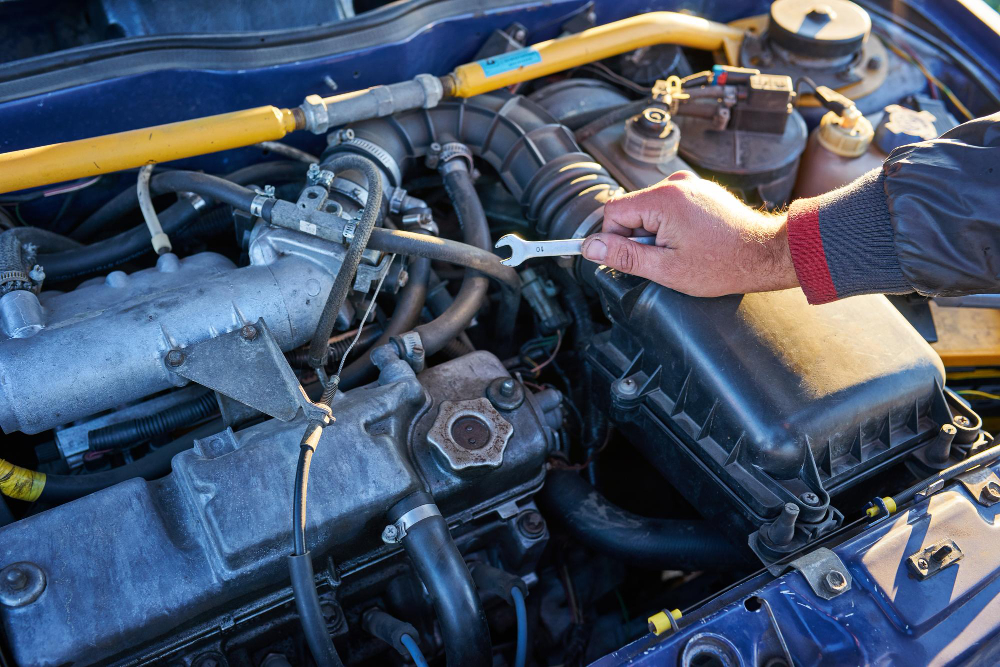
The Toyota Glanza has become a popular choice in India’s premium hatchback segment since its launch. If you’re considering this vehicle, understanding its engine specifications is a key part of your research. This guide breaks down everything you need to know about the engine powering the Glanza. Understanding the Toyota Glanza Engine Lineup The Toyota Glanza comes with a 1.2-liter naturally aspirated petrol engine and a 1.2-liter CNG option. Both variants share the same displacement but deliver different performance characteristics based on the fuel type. The petrol engine uses Suzuki’s K12N 1.2-liter, four-cylinder, DualJet technology. This four-cylinder configuration ensures smooth power delivery and better balance compared to three-cylinder alternatives. DualJet technology refers to the dual fuel injection system, where each cylinder gets two fuel injectors instead of one, allowing for more precise fuel delivery and improved combustion. Petrol Engine Specifications Let’s break down what makes the petrol engine tick: The 1.2-liter naturally aspirated petrol engine produces 90PS of power at 6000rpm and 113Nm of torque at 4400rpm. This power output makes it suitable for city commutes and highway cruising without feeling underpowered. The engine comes with two transmission options. You can choose between a 5-speed manual or a 5-speed AMT (Automated Manual Transmission). The manual transmission gives you more control over gear selection, while the AMT provides the convenience of automatic shifting without the complexity of a traditional automatic gearbox. The displacement of 1197cc positions the Glanza in the compact yet capable category. This size strikes a balance between performance and fuel economy, making it practical for daily driving. CNG Variant Details For buyers looking to reduce fuel costs, the CNG option presents an attractive alternative. The CNG engine produces 78PS of power at 6000rpm and 99Nm of torque at 4300rpm with a 5-speed manual transmission. The reduction in power and torque compared to the petrol variant is typical for CNG engines due to the lower energy density of compressed natural gas. However, the CNG variant compensates with significantly better running costs and lower emissions. The CNG system maintains the same 1197cc displacement as the petrol engine. This means the basic engine architecture remains unchanged, with the fuel delivery system adapted to handle compressed natural gas instead of petrol. Real-World Performance How does this engine perform in everyday conditions? The answer depends on your driving style and expectations. In city traffic, the engine is quick and progressively gains speed, making overtaking easy without waiting for power. The light clutch and smooth gear changes in the manual version make stop-and-go traffic less tiring. The AMT adds convenience for urban commutes, though gear shifts are noticeable compared to conventional automatics. On highways, the engine maintains comfortable cruising speeds. The refinement means you won’t hear excessive engine noise even at higher RPMs. The naturally aspirated design delivers linear power, meaning the acceleration feels predictable and smooth rather than sudden. Fuel Economy and Efficiency One major consideration for hatchback buyers is running costs. The Toyota Glanza delivers a mileage between 22.35 to 22.94 kmpl depending on the transmission and variant. The manual transmission achieves around 22.35 kmpl, while the AMT slightly edges ahead at 22.94 kmpl in ARAI testing. The CNG variant takes fuel economy to another level. The ARAI-claimed mileage for CNG is 30.61 km/kg, making it one of the most economical options in its segment. These figures represent ideal test conditions. Real-world mileage typically ranges between 13–18 kmpl in city conditions and 17–22 kmpl on highways for petrol variants, depending on driving style and traffic conditions. When comparing fuel efficiency across diesel-vs-petrol-cars, the Glanza’s petrol and CNG options remain strong choices for budget-friendly daily running. Engine Technology and Features The K12N engine incorporates several modern technologies that improve its overall performance and efficiency. The DualJet fuel injection system is a standout feature. By having two injectors per cylinder instead of one, the system can atomize fuel more finely and distribute it more evenly throughout the combustion chamber. This leads to more complete combustion, better fuel economy, and lower emissions. The engine includes idle stop-start technology, which automatically shuts off the engine when the vehicle is stationary and restarts it when you’re ready to move. This feature particularly helps in heavy traffic by reducing unnecessary fuel consumption during long waits at traffic signals. The naturally aspirated design means there’s no turbocharger involved. While turbocharged engines offer more power from smaller displacements, naturally aspirated engines like the one in the Glanza tend to be more reliable and require less maintenance over time. Comparing With Market Alternatives The Glanza shares its engine with the Maruti Suzuki Baleno, as both vehicles are part of a partnership between Toyota and Suzuki. Both hatchbacks are powered by the same 90hp, 113Nm, 1.2-liter, four-cylinder, DualJet K12N petrol engine. This engine competes well against rivals like the Hyundai i20, Tata Altroz, and other premium hatchbacks. While some competitors offer turbocharged engines with higher peak power, the Glanza’s engine focuses on refinement, reliability, and daily usability. The four-cylinder configuration gives the Glanza smoother operation compared to three-cylinder engines found in some competing models. You’ll notice less vibration and a more refined sound at higher speeds. Transmission Options Explained Choosing between manual and AMT depends on your driving preferences and daily commute conditions. The 5-speed manual transmission suits drivers who prefer complete control. It offers engaging driving dynamics and typically delivers slightly better real-world fuel economy when driven efficiently. The clutch action is light, making it manageable even in heavy traffic. The 5-speed AMT provides automatic convenience without the cost premium of conventional automatics or CVTs. The AMT is programmed to upshift to the highest gear at the earliest opportunity for better efficiency. While gear changes are somewhat noticeable, this transmission makes daily commutes less stressful, especially in congested city conditions. The CNG variant only comes with the manual transmission. This is typical for CNG vehicles, as automated transmissions are less common in this fuel category. Maintenance and Reliability The K12N engine comes from Suzuki’s proven K-series family, which has millions