
What Type of Gearbox Is Used in a Toyota Fortuner Car?
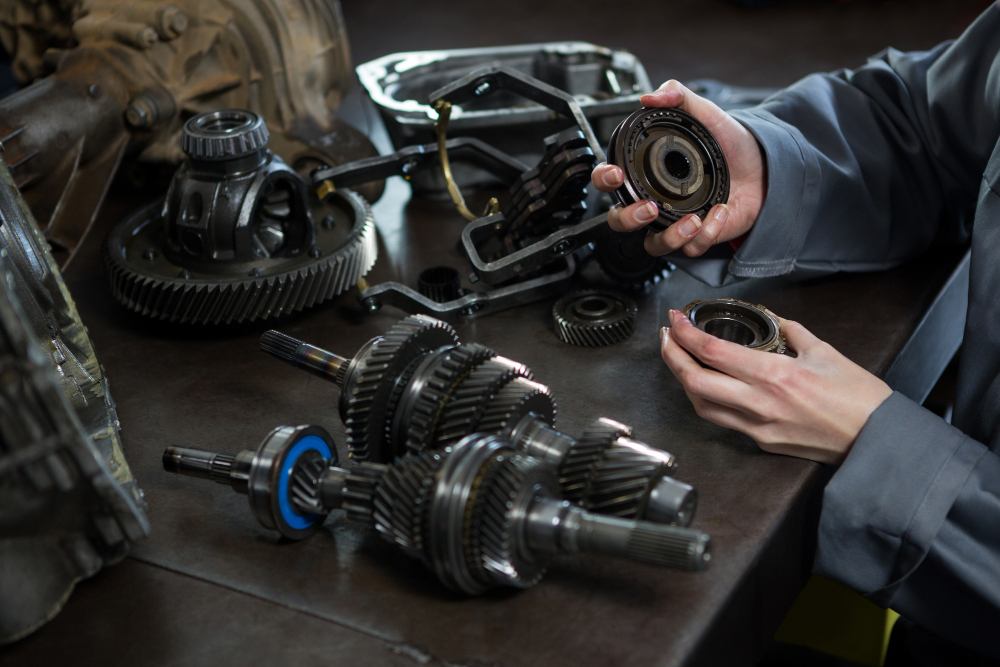
The Toyota Fortuner has been one of India’s most sought-after full-size SUVs for over a decade and for good reason. It’s built tough, it sells well, and it handles everything from city traffic to rocky off-road trails. But one question that comes up repeatedly among buyers is about the transmission: what type of gearbox does the Fortuner actually use, and how does it affect the driving experience? Let’s break it down. The Toyota Fortuner Gearbox: A Quick Answer The Toyota Fortuner is available with two types of gearboxes depending on the variant and fuel type: The automatic option is the more popular choice and is available across both petrol and diesel variants. The manual gearbox is offered only with the diesel engine. Here is why that matters: the petrol Fortuner (2.7-litre) comes exclusively with a 6-speed automatic, while the diesel Fortuner (2.8-litre) gives buyers the option of either a 6-speed manual or a 6-speed automatic depending on the variant. Understanding the 6-Speed Torque Converter Automatic Gearbox The phrase “torque converter automatic” trips people up sometimes, so let’s clear it up. A torque converter is a fluid coupling device that sits between the engine and the transmission. It transfers rotational power from the engine to the gearbox without a physical clutch instead using hydraulic fluid to do the job. This is what makes an automatic Fortuner feel so smooth when you’re pulling away from a traffic light or crawling over a speed bump. Here is how it’s different from other automatic types: Toyota’s choice of a torque converter AT for the Fortuner is deliberate. The Fortuner is a body-on-frame SUV designed for demanding conditions, and torque converters are proven to handle high torque loads and off-road stress better than most other automatic designs. Diesel Fortuner Gearbox Options in India The 2.8-litre turbo-diesel engine is the heart of the Fortuner lineup in India, and it gets the most gearbox flexibility. 6-Speed Manual Transmission The manual variant pairs the 2.8-litre diesel engine with a 6-speed gearbox producing 204 PS of power and 420 Nm of torque. This is slightly lower torque than the automatic — and that’s not a coincidence. Manual gearboxes have a mechanical torque limit in this configuration, so the automatic unlocks more torque from the same engine. The manual is available in both 4×2 (rear-wheel drive) and 4×4 configurations. Drivers who prefer direct control over gear selection tend to gravitate toward this option, especially for regular highway use. 6-Speed Torque Converter Automatic The automatic diesel variant raises the torque output to 500 Nm, a significant jump. This is because the torque converter and the electronic control unit (ECU) work together to manage power delivery more precisely, allowing the engine to operate at higher torque without damaging the drivetrain. Power output remains at 204 PS, but the additional 80 Nm of torque makes the automatic feel noticeably stronger in real-world driving, particularly when overtaking or climbing a hill with a full load. Petrol Fortuner: Only Automatic The 2.7-litre naturally aspirated petrol engine is only available with the 6-speed torque converter automatic gearbox, and only in rear-wheel drive (4×2). It produces 166 PS and 245 Nm — enough for city driving and highway cruising, though the diesel variants are clearly more powerful. There is no manual option for the petrol Fortuner in India. What Is the Toyota Fortuner Neo Drive 48V and How Does the Gearbox Work With It? In June 2025, Toyota introduced the Fortuner Neo Drive 48V in India, a 48-volt mild-hybrid variant that adds a belt-driven integrated starter-generator (ISG) to the existing 2.8-litre diesel engine. The mild-hybrid system does not change the gearbox type. The Neo Drive still uses the same 6-speed torque converter automatic gearbox. What the 48V system does is assist the engine during acceleration and regenerate energy during braking, resulting in smoother torque delivery and marginally better fuel efficiency (Toyota claims roughly 5% improvement in city conditions). This variant is available in 4×2 and 4×4 configurations, both with the 6-speed automatic only. There is no mild-hybrid manual option. How the 4×4 Transfer Case Works Alongside the Gearbox On 4×4 variants, the Fortuner has a second lever beside the gear shifter. This is not part of the main gearbox; it controls the transfer case, which distributes power between the front and rear axles. Here is what each position does: Mode What It Does 2H Rear-wheel drive only. For normal roads. 4H Four-wheel drive, high range. For wet, gravel, or light off-road conditions. 4L Four-wheel drive, low range. For steep climbs, deep mud, or rock crawling. Speed limited to 40 km/h. A key point: to shift from 4H to 4L, the vehicle must be stopped and the transmission must be in Neutral. Attempting this while moving can damage the transfer case. The 4L mode effectively multiplies the torque available, giving the Fortuner its genuine off-road capability. Combined with the 6-speed automatic’s ability to hold a low gear consistently, the result is a vehicle that can crawl through difficult terrain without the driver constantly managing gear changes. Fortuner Transmission Options: Full Summary Here is a clear overview of all gearbox configurations available in the Toyota Fortuner in India: Engine Gearbox Drive Torque 2.7L Petrol 6-speed TC Automatic 4×2 only 245 Nm 2.8L Diesel 6-speed Manual 4×2 / 4×4 420 Nm 2.8L Diesel 6-speed TC Automatic 4×2 / 4×4 500 Nm 2.8L Diesel + 48V MHEV 6-speed TC Automatic 4×2 / 4×4 500 Nm Manual vs Automatic Gearbox in Fortuner: Which Should You Choose? This depends entirely on how you use the car. Go with the manual if: Go with the automatic if: For most buyers in India, especially those dealing with city traffic and occasional highway trips the 6-speed torque converter automatic is the more practical choice. The extra torque and the smoother driving experience make a meaningful difference day to day. What Fortuner Buyers in Jalandhar Should Know If you’re based in Punjab or the surrounding region and looking at the Fortuner, Castle Toyota in Jalandhar offers
Toyota Fortuner Tyre Size and Cost for All Variants in 2026

The Toyota Fortuner has held its ground as one of the most respected ladder-frame SUVs in India for over a decade. People who buy one know what they are getting: a serious, body-on-frame machine that weighs over two tonnes and handles everything from Himalayan switchbacks to Mumbai expressways without complaint. But when it comes to tyres, most Fortuner owners are surprised to learn that the SUV does not run a single tyre setup across the lineup. The 2WD and 4WD variants wear different sizes, and that difference matters for ride quality, handling, and what you will spend when it is time for a replacement. This guide covers the Toyota Fortuner tyre size and cost for all variants in 2026, including the standard Fortuner, Legender, and GR Sport. Whether you are buying fresh rubber or just trying to understand what is already on your car, here is everything you need to know. Toyota Fortuner Tyre Size for All Variants in 2026 Here is a quick reference table for the Toyota Fortuner tyre size variant-wise: Variant Drive Type Tyre Size Wheel Size Fortuner 2.7 Petrol AT 4×2 (2WD) 265/65 R17 17-inch alloy Fortuner 2.8 Diesel MT 4×2 (2WD) 265/65 R17 17-inch alloy Fortuner 2.8 Diesel AT 4×2 (2WD) 265/65 R17 17-inch alloy Fortuner 2.8 Diesel MT 4×4 (4WD) 265/60 R18 18-inch alloy Fortuner 2.8 Diesel AT 4×4 (4WD) 265/60 R18 18-inch alloy Fortuner Legender 2.8 AT 4×2 (2WD) 265/60 R18 18-inch alloy Fortuner Legender 2.8 AT 4×4 (4WD) 265/60 R18 18-inch alloy Fortuner GR Sport AT 4×4 (4WD) 265/60 R18 18-inch alloy The split is clean: all 2WD base variants use 265/65 R17, and all 4WD, Legender, and GR Sport variants use 265/60 R18. One number stays the same across every single variant the 265mm width. Toyota kept that consistent, and for good reason. On a vehicle this heavy, 265mm gives the footprint needed to stay stable on wet roads and soft ground. What changes between the two sizes is the sidewall height and the rim diameter. Let’s break it down. Understanding the Fortuner Tyre Size Numbers If you have ever looked at a tyre sidewall and wondered what those numbers mean, here is the short version: 265/65 R17 (Standard 4×2 Variants) 265/60 R18 (4×4, Legender, and GR Sport) The practical difference? The 17-inch setup on 4×2 variants gives a noticeably softer ride because there are more rubber absorbing bumps before they reach the chassis. The 18-inch setup on 4WD and Legendre variants is sharper-looking and handles better at highway speeds, but transmits more road surface into the cabin on broken city roads. Toyota Fortuner Tyre Price in India (2026) Tyre prices vary depending on the brand, the seller (authorised dealer vs online marketplace), and whether you are buying with installation included. Here is a realistic range for both Fortuner tyre sizes in 2026: For 265/65 R17 (4×2 Variants) Brand Approximate Price per Tyre MRF ₹10,500 – ₹12,500 CEAT ₹10,000 – ₹13,000 JK Tyre ₹10,000 – ₹12,000 Apollo ₹11,000 – ₹13,500 Bridgestone ₹13,000 – ₹17,000 Michelin ₹15,000 – ₹20,000 Yokohama ₹13,500 – ₹18,000 For 265/60 R18 (4×4, Legender, GR Sport) Brand Approximate Price per Tyre MRF ₹12,000 – ₹15,000 CEAT ₹12,500 – ₹16,000 Apollo ₹12,000 – ₹15,500 Bridgestone ₹16,000 – ₹20,000 Michelin ₹18,000 – ₹23,000 Yokohama ₹15,000 – ₹20,000 Vredestein Up to ₹23,800 So if you are replacing all four tyres on a Fortuner Legender, budget anywhere from ₹50,000 to ₹90,000+ depending on the brand you choose. Budget brands cover the basics. If you do regular highway runs or cover mountainous terrain, brands like Michelin, Yokohama, or Bridgestone are worth the premium for braking performance and noise levels. Teams at Castle Toyota in Jalandhar can guide you on OEM-approved replacements that suit how you actually use the vehicle city driving, highway touring, or occasional off-road runs. What Tyre Pressure Should a Fortuner Run? This is where a lot of owners get it wrong. Tyre pressure is not a set-and-forget thing; it depends on how loaded the vehicle is and what kind of driving you are doing. Toyota’s recommended Fortuner tyre pressure: Always check pressure when the tires are cold, meaning the car has been stationary for at least 3 hours or driven less than 2 km. Once a tyre heats up from driving, the pressure reading goes up. Adjusting a hot tyre to hit 32 PSI actually means the tyre will be underinflated once it cools down. Running low pressure is the silent tyre killer. The tyre flexes more than it should, builds up heat, and wears down the edges faster. On a heavy SUV like the Fortuner, the consequences are not small tyre failure at highway speed is a genuine risk. How Long Do Fortuner Tyres Last? On Indian roads with regular maintenance, Fortuner tyres typically last between 40,000 and 60,000 kilometres. But that range depends heavily on a few things: Replace your tyres when the tread depth drops below 1.6mm, or if you spot sidewall cracking, bulges, or recurring air loss. Even if the tread looks fine, tyres older than 5–6 years should be replaced and rubber degrades regardless of mileage. Choosing the Right Tyre Type for Your Fortuner Not all tyres are the same, even in the correct size. Here’s how to match the tyre type to how you use the car: Highway Terrain (H/T) Tyres Best for owners who mostly drive on paved roads. H/T tyres are quieter, more fuel-efficient, and comfortable on long highway runs. Good options include the Bridgestone Dueler H/T and Michelin LTX Force. All-Terrain (A/T) Tyres The right pick if you take the Fortuner off-road occasionally are forest roads, gravel tracks, river crossings. A/T tyres have a more aggressive tread pattern that handles loose surfaces without giving up too much road comfort. The CEAT CrossDrive AT and Yokohama Geolandar AT G015 are popular choices in this category. Mud Terrain (M/T) Tyres If serious off-roading is your thing, M/T tyres grip in deep mud and sand far better than anything else. They are noisy
Which is expensive, BMW or Toyota Fortuner?

At first glance, the question of BMW vs Toyota Fortuner price sounds simple enough. One is a European luxury brand. The other is a Japanese workhorse. But if you spend even five minutes digging into real numbers, you realise the answer is more layered than just comparing sticker prices. This is not a question about which car is better. It is a question about money: what you pay upfront, what you keep paying every month, and what you get back when it is time to sell. Let’s break it all down. Where Each Brand Sits in India’s Market BMW and Toyota serve entirely different audiences in India. Toyota is a mass-market manufacturer that also builds premium products, and the Fortuner sits near the top of its range. BMW is a dedicated luxury brand with no entry below the premium segment. The Toyota Fortuner is a ladder-frame body-on-frame SUV. Think of it as a Land Cruiser’s more affordable sibling: built for rough roads, long highways, and decades of reliable use. It seats seven and has been a status symbol in smaller cities and towns across India for well over a decade. BMW, by contrast, sells everything from the compact 2 Series Gran Coupe sedan to the full-size X7 SUV and high-performance M models. Its closest SUV competitor to the Fortuner in terms of size and purpose would be the BMW X3 or the BMW X5, both of which are designed more for smooth roads and refined driving than serious off-roading. BMW vs Toyota Fortuner Price Comparison: The Numbers Toyota Fortuner Prices (Ex-Showroom, 2025–26) The Fortuner range in India currently spans 14 variants across petrol and diesel options, with 2WD and 4WD drivetrains. After the GST revision in September 2025, prices dropped meaningfully. Toyota Fortuner Price Range at a Glance: BMW Prices in India (Ex-Showroom, 2025–26) BMW’s range starts at around ₹45.30 lakh for the 2 Series Gran Coupe and stretches all the way to ₹2.55 crore for the XM. The SUVs, which are the most direct comparison point, start at roughly ₹50 lakh for the X1 and go to well over a crore for the X7. BMW SUV Price Range at a Glance: The numbers speak clearly: the cheapest BMW SUV you can buy in India today the X1 at around ₹51 lakh costs more than the top-spec Toyota Fortuner GR-S at ₹48.85 lakh. And when you move to the BMW X3, which is a more natural rival to the Fortuner in terms of size, you are looking at ₹71 lakh nearly double the Fortuner’s starting price. Bottom line on sticker price: BMW is significantly more expensive than the Toyota Fortuner at the point of purchase, across every comparable segment. Breaking Down the Total Cost of Ownership Purchase price is only part of the story. Here is where the real BMW vs Toyota Fortuner price comparison gets interesting. Maintenance and Service Costs Toyota has built its reputation on low running costs. For the Fortuner, the estimated total service cost over the first five years sits at around ₹31,724, covering routine oil changes, filters, coolant replacements, and inspections. That works out to a manageable yearly cost for a large SUV. BMW ownership is a different conversation. Parts are imported or require specialist handling, and labour costs at authorised BMW service centres are considerably higher. Forum data from Team-BHP puts the per-kilometre running cost of a BMW X1 at roughly ₹35/km versus ₹15/km for a Toyota Fortuner — a gap that covers fuel, insurance, maintenance, and depreciation combined. Spare parts availability is another gap. If a Fortuner needs a component, it is almost certainly available at the nearest Toyota dealer or multi-brand garage within a day or two. For a BMW, critical parts may need to be ordered, and turnaround times can stretch across weeks. Insurance Costs The Fortuner’s comprehensive insurance sits in the ₹60,000–₹78,000 per year range, translating to roughly ₹3–3.9 lakh over five years. BMW premiums are proportionally higher given the higher insured declared value (IDV) and costlier parts. A BMW X3 will draw a notably larger insurance bill annually than any Fortuner variant. Fuel Economy The diesel Fortuner returns 14.33–14.4 kmpl (ARAI rated), while the petrol variant manages about 10.3 kmpl. The BMW X3 diesel claims around 17.86 kmpl in its top-spec diesel variant. So the BMW actually does better on fuel — but the savings are quickly eaten up by its higher maintenance and insurance bills. Resale Value: Where the Fortuner Wins Decisively This is one of the most talked-about differences between these two brands in India. The Toyota Fortuner holds its value better than almost any other vehicle in its price range and in many cases, better than BMW models that cost significantly more to buy. Consider a real-world example: a 2018 Fortuner 4X4 with 23,000 km was listed at ₹31 lakh in the used market. A BMW X1 from the same year, with 18,000 km, was listed at ₹24.5 lakh. The Toyota, a cheaper car at purchase fetched a higher price on the second-hand market. This pattern holds consistently. The Fortuner’s resale value after 4–5 years often sits at 65–75% of the original price. BMW models typically depreciate faster, with higher-spec vehicles losing value more steeply simply because the pool of buyers willing to pay for a used luxury German car is smaller in India. For buyers who plan to sell in five to seven years, the Fortuner’s resale strength is a financial advantage that partially offsets its lower initial status appeal. What Are You Actually Paying For? This is worth thinking about clearly. When you pay more for a BMW, here is what you get: When you pay for a Toyota Fortuner, here is what you get: These are genuinely different products answering different questions. The BMW is asking: “How do you want to feel while driving?” The Fortuner is asking: “What do you need the car to do, and for how long?” Head-to-Head: Toyota Fortuner vs BMW X3 Parameter Toyota Fortuner (Top Diesel) BMW
15 Must Have Toyota Fortuner Accessories for Style and Comfort
The Toyota Fortuner is one of the most popular full-size SUVs in India, and for good reason. It combines muscular road presence with serious off-road capability and a cabin that feels genuinely premium. But even a well-equipped Fortuner can be made better with the right accessories. Whether you just drove one home from Castle Toyota in Jalandhar or you’ve owned yours for a while, the right add-ons can take your driving experience from good to genuinely great. Here are 15 accessories worth considering. Why Accessorizing Your Toyota Fortuner Makes Sense Before we get into the list, let’s be clear about something. We’re not talking about cosmetic upgrades for their own sake. The right Toyota Fortuner accessories for style and comfort serve real purposes: protecting the vehicle, improving practicality, making long drives less tiring, and yes, making the SUV look the part. Here’s what to consider. Exterior Accessories for the Toyota Fortuner 1. Side Steps / Running Boards The Fortuner sits high off the ground, which is part of its appeal but not always convenient when you’re in formal wear or helping elderly passengers get in. Stainless steel or powder-coated aluminum side steps are a practical fix. They also add a rugged visual outline to the body. Look for options specifically designed for the Fortuner’s wheelbase so the fitment is clean. 2. Roof Rack or Crossbar System Planning road trips, camping trips, or just need to carry extra luggage? A roof rack or crossbar system gives you the flexibility to mount cargo boxes, bicycles, kayaks, or luggage carriers. Make sure you choose a system with a load rating appropriate for what you plan to carry, and always respect the vehicle’s roof load limit as specified in the owner’s manual. 3. Nudge Guard or Bull Bar A front nudge guard or bull bar is a common accessory for Fortuner owners who take their vehicles off-road or onto rough rural roads. It adds a layer of protection for the front bumper and can also serve as a mounting point for auxiliary fog lights. Go for high-quality steel or aluminum options; poorly made versions can interfere with airbag deployment, so quality matters here. 4. Rear Bumper Guard / Scuff Plate The rear bumper takes a beating every time someone loads or unloads the boot. A stainless steel or ABS scuff plate protects the paint and adds a cleaner look to the tailgate area. It’s a small upgrade but one you’ll appreciate after the first shopping trip. 5. Fender Flares / Wheel Arch Covers If you’ve upgraded your Fortuner to larger off-road tires, fender flares help cover the extra width and prevent debris from flying off the tires. They also give the SUV a more muscular, wide-body stance even on stock tires. 6. Body Side Moulding Chrome or matte finish body side moulding protects the doors from parking lot dings and shopping trolley impacts. It’s one of those accessories that quietly does its job without drawing attention to itself. Interior Accessories for Toyota Fortuner Comfort 7. 3D or 7D Floor Mats This is arguably the single most practical Toyota Fortuner accessory you can buy. Custom-fit 3D or 7D floor mats hug the contours of the cabin floor and trap mud, water, and dust far better than the standard mats. They’re easy to clean and keep the original carpet in near-new condition, which matters at resale time. 8. Seat Covers Good quality seat covers serve double duty: they protect your seats from spills, UV fading, and wear, and they let you personalize the look of the cabin. For the Fortuner, look for options that don’t block side airbag deployment if your variant has them. Leather or leatherette options are popular, though breathable fabric covers make more sense for hot climates. 9. Ambient Lighting Kit The Fortuner’s cabin is already well-appointed, but adding subtle LED ambient lighting around the footwells, dashboard trim, or door panels makes the interior noticeably more welcoming at night. Many aftermarket kits come with app control so you can adjust color and brightness from your phone. 10. Sunshades / Window Visors Rain visors (also called door visors or window deflectors) are a genuine comfort upgrade in India. They let you crack the windows open slightly during rain without water coming in. They also reduce wind noise and improve ventilation without needing the AC at full blast. Sunshades for the rear windows are worth adding if you have children or passengers who need protection from direct sun. 11. Car Organizer and Console Tray Long road trips mean more stuff in the cabin: water bottles, phones, snacks, documents. A well-designed console organizer or cargo net for the boot keeps things tidy and in their place. The Fortuner has generous space, but without organization, that space quickly becomes a mess. 12. Steering Wheel Cover A premium steering wheel cover in leather or alcantara improves grip and adds to the tactile feel of driving. It also protects the original steering wheel from wear. Choose one sized correctly for the Fortuner’s wheel diameter to avoid a loose or lumpy fit. Technology and Safety Accessories 13. Dash Camera A dash camera is less an accessory and more a necessity given Indian road conditions. A front-facing dash cam (or a dual front-and-rear unit) records everything that happens during a drive. This footage can be decisive in accident disputes and insurance claims. Look for options with at least 1080p recording and a wide-angle lens. 14. Reverse Parking Sensors or Wireless Reversing Camera Some Fortuner variants come with a reversing camera, but if yours doesn’t have one or has an older system, aftermarket parking sensors or a high-resolution wireless reversing camera are well worth adding. Parking a large SUV in tight spots is genuinely easier with good rear visibility. 15. Tyre Pressure Monitoring System (TPMS) Given the Fortuner’s off-road credentials, many owners take it on routes where tyre pressure changes matter. A TPMS gives you real-time pressure readings for all four (or five, if you include the spare) tyres on a
All You Need to Know About Toyota Fortuner Legender
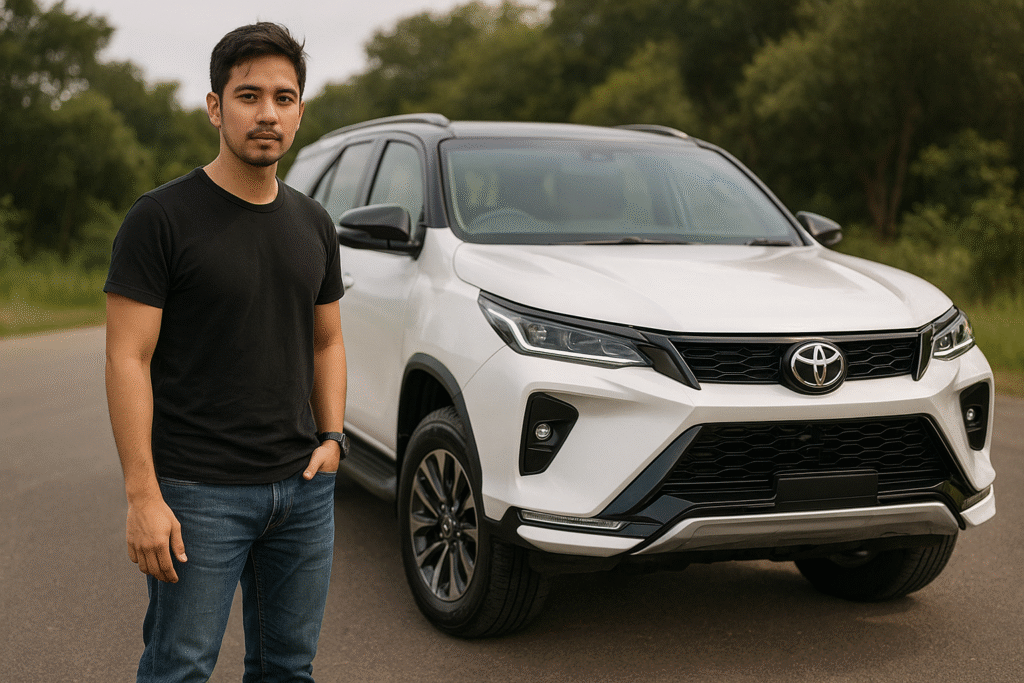
The Toyota Fortuner Legender stands as one of the most sought-after premium SUVs in India’s automotive market. This commanding seven-seater combines aggressive styling with reliable performance, making it a top choice for families and adventure seekers alike. Whether you’re planning highway cruises or off-road excursions, the Legender variant offers a perfect blend of luxury and capability. What Makes the Toyota Fortuner Legender Different? The Toyota Legender variant distinguishes itself from the standard Fortuner through several key design and feature upgrades. While both share the same mechanical foundation, the Legender takes a bolder approach to styling and premium appointments. At the front, the Legender features split quad-LED headlamps with sequential turn indicators, creating a distinctive nighttime signature. The sportier front grille incorporates more aggressive detailing, while the redesigned bumper adds muscular appeal. Blacked-out elements throughout the exterior, including the roof and mirrors, create a sophisticated two-tone appearance that turns heads on any road. The side profile showcases dynamic alloy wheels and character lines that emphasize the SUV’s imposing stance. At the rear, redesigned LED tail lamps and a roof spoiler complete the athletic aesthetic. These styling enhancements make the Legender instantly recognizable and position it as the more premium offering in the Fortuner lineup. Engine Performance and Driving Experience Under the hood, the Toyota Fortuner Legender packs a 2.8-liter four-cylinder turbocharged diesel engine. This powerplant generates 201 bhp at 3000-3400 rpm and delivers a substantial 500 Nm of torque between 1600-2800 rpm. The engine pairs with either a six-speed automatic or manual transmission, depending on the variant. The 2025 model year introduced the Neo Drive 48V variant, which adds a mild-hybrid system to the existing diesel engine. This 48-volt technology provides several benefits. The boost assist function enhances acceleration through smoother torque delivery during overtaking maneuvers. The system also enables quieter engine starts, reduces strain on the engine, and contributes to improved fuel efficiency in urban driving conditions. Drivers can select between multiple drive modes including Eco, Normal, and Power settings. Each mode adjusts throttle response and transmission behavior to match different driving scenarios. The Power mode delivers sharper acceleration for highway driving and overtaking, while Eco mode prioritizes fuel efficiency for city commutes. Off-road capability remains a strong suit. The four-wheel-drive variants come equipped with features like Hill Assist Control and traction control systems that help navigate challenging terrain. The high ground clearance of 225 mm allows the Legender to tackle rough roads and water crossings with confidence. Interior Comfort and Features Step inside the Toyota Fortuner Legender, and you’ll find a cabin that balances functionality with premium touches. Dual-tone leather upholstery covers the seats, with soft-touch materials used throughout the dashboard and door panels. The driver and front passenger benefit from eight-way electrically adjustable seats, allowing personalized comfort for long journeys. Ventilated front seats provide relief during hot weather, while automatic climate control with rear AC vents ensures all three rows remain comfortable. The seven-seater configuration accommodates families easily, though the third row works best for children or shorter trips. Technology features prominently in the cabin experience. An eight-inch touchscreen infotainment system serves as the command center, offering navigation, multimedia playback, and vehicle settings. Android Auto and Apple CarPlay integration allow smartphone connectivity, while wireless charging keeps devices powered without cables. Multiple USB ports throughout the cabin ensure passengers can charge devices on the go. The steering wheel incorporates multifunction controls for audio, phone, and cruise control operations. This keeps your hands on the wheel and eyes on the road. A digital instrument cluster provides clear information on speed, fuel levels, and driving modes. Storage solutions abound, with cup holders, door pockets, and a cooled glove box. The boot space measures 296 liters with all seats in use, expanding significantly when you fold the third row. The 60:40 split folding rear seats add versatility for carrying larger cargo. At Castle Toyota, customers frequently praise the Legender’s interior space and the quality of materials used. The cabin creates a welcoming environment whether you’re commuting to work or embarking on weekend getaways. Safety Features and Ratings Safety stands as a priority in the Toyota Fortuner Legender. The SUV earned a 5-star safety rating from ASEAN NCAP, demonstrating its protective capabilities in crash scenarios. Seven SRS airbags provide protection for all occupants. These include dual front airbags, side airbags, curtain airbags, and a driver knee airbag. The comprehensive coverage ensures protection from multiple collision angles. Active safety systems include Vehicle Stability Control with Brake Assist, which helps maintain control during emergency maneuvers. The Anti-lock Braking System (ABS) with Electronic Brake-force Distribution (EBD) ensures optimal braking performance. Traction Control System prevents wheel slip during acceleration on slippery surfaces. Hill Assist Control proves valuable when starting on steep inclines, holding the vehicle momentarily to prevent rollback. Speed sensing door locks automatically secure all doors once the vehicle reaches a certain speed, adding security during travel. A rear camera with parking sensors assists during reversing maneuvers, making it easier to park this large SUV in tight spaces. ISOFIX child seat mounts allow secure installation of child seats, keeping younger passengers safe. The Legender includes seatbelt reminders for all seating positions, encouraging proper restraint use. Three-point seatbelts in all seven positions provide proper protection. WIL (Whiplash Injury Lessening) concept seats reduce the risk of neck injuries during rear-end collisions. Additional safety equipment includes an engine immobilizer, central locking, child safety locks, and an anti-theft alarm system with ultrasonic and glass break sensors. These features protect your investment when parked. Excited about Toyota’s new Hilux generation with hybrid power and rugged design? Read this blog for the full reveal. Variants and Pricing The Toyota Fortuner Legender comes in several variants to match different buyer preferences and budgets. The 2025 lineup includes both standard diesel and Neo Drive 48V hybrid options. The base 2.8L 4×2 AT diesel variant starts at approximately Rs. 44.51 lakh (ex-showroom). This rear-wheel-drive automatic transmission option works well for buyers who primarily drive on paved roads and want the Legender styling without the
Toyota Fortuner vs Honda Elevate – Which is Better?

Choosing between the Toyota Fortuner and Honda Elevate presents a unique dilemma for SUV buyers in India. These two models cater to different segments, budgets, and buyer expectations. The Fortuner stands as a full-size body-on-frame SUV, while the Elevate competes in the compact mid-size category. Understanding which vehicle suits your needs requires a closer look at performance, features, pricing, and real-world usability. Understanding the Size and Segment Difference The Toyota Fortuner vs Honda Elevate comparison starts with recognizing their fundamental differences. The Fortuner measures 4,795mm in length and weighs significantly more than the Elevate, which stretches to 4,312mm. This size gap translates into distinct driving experiences and ownership costs. The Fortuner offers seating for seven passengers and comes with powerful diesel and petrol engine options, making it suitable for families who frequently travel long distances or require genuine off-road capability. The Elevate accommodates five passengers and focuses on urban commuting with better fuel economy. Castle Toyota in Jalandhar offers both models, allowing buyers to experience these differences firsthand through test drives and expert consultation. Price Point Analysis: Investment vs Affordability When comparing Toyota Fortuner vs Honda Elevate pricing, the gap is substantial. The Fortuner starts at Rs. 33.65 lakh and extends up to Rs. 48.85 lakh (ex-showroom). The Elevate begins at Rs. 10.99 lakh with prices reaching approximately Rs. 16.67 lakh (ex-showroom). This three-fold price difference reflects their distinct market positioning. The Fortuner targets buyers seeking premium build quality, commanding road presence, and the ability to tackle challenging terrain. The Elevate appeals to those who want a practical, feature-rich SUV without the premium price tag. Budget-conscious buyers will find the Elevate more accessible, while those prioritizing status, space, and capability will lean toward the Fortuner. Engine Performance and Power Delivery Performance separates these vehicles considerably. The Fortuner offers a 2.7-litre petrol engine producing 166hp and 245 Nm, or a 2.8-litre diesel engine delivering 204hp and 500 Nm. The diesel variant comes with both manual and automatic transmission options, plus 4×4 capability in higher trims. The Elevate uses a single 1.5-litre i-VTEC four-cylinder petrol engine producing 121hp and 145Nm of torque, paired with a 6-speed manual or CVT automatic transmission. This naturally aspirated engine prioritizes smoothness and reliability over raw power. For highway cruising, towing, or carrying heavy loads, the Fortuner’s diesel engine provides ample torque. The Elevate’s petrol engine suits city driving and occasional highway trips where extreme power isn’t necessary. Castle Toyota customers often choose based on their primary driving scenarios. Long-distance travelers and those needing towing capacity prefer the Fortuner, while daily commuters appreciate the Elevate’s ease of use. Want a clear comparison of Honda CRV vs Toyota Fortuner? Read this blog to find out which SUV suits you best. Fuel Economy: Running Costs Matter Fuel efficiency plays a major role in long-term ownership costs. The Fortuner’s 2.7-litre petrol automatic delivers 10.3 kmpl, while diesel variants offer 14.35 to 14.6 kmpl. The recently introduced mild-hybrid diesel system improves efficiency slightly. The Elevate returns 15.31 kmpl with the manual transmission and 16.92 kmpl with the CVT automatic. These figures represent better economy, translating to lower fuel expenses over time. Here is a quick comparison: For buyers covering 15,000-20,000 km annually, the Elevate’s superior fuel economy can save thousands of rupees yearly. Interior Space and Comfort The Fortuner offers a 2,745mm wheelbase, providing generous legroom across all three rows. The third row accommodates adults for short trips, though it’s more suited for children on longer journeys. Boot space measures 296 litres with all seats up, expandable when folding rear seats. The Elevate provides seating for five with comfortable space for passengers. Its 458-litre boot surpasses the Fortuner’s cargo capacity with seats up, making it practical for luggage and shopping. Material quality differs between these models. The Fortuner uses premium materials throughout its cabin, creating a more upscale environment. The Elevate employs good-quality plastics and soft-touch materials where it counts, offering a pleasant but less luxurious atmosphere. Both vehicles provide comfortable seating for long drives, though the Fortuner’s larger dimensions and suspension setup deliver a more cushioned ride on rough roads. Feature Sets and Technology The Fortuner comes with an 8-inch touchscreen infotainment system supporting wired Android Auto and Apple CarPlay. Higher trims include an 11-speaker JBL sound system, ventilated front seats, dual-zone climate control, wireless phone charging, and a 360-degree camera in select variants. The Elevate features a 10.25-inch touchscreen with wireless Android Auto and Apple CarPlay. Top models include Level 2 ADAS (Advanced Driver Assistance Systems), ambient lighting, a single-pane sunroof, and Honda’s signature LaneWatch camera for the left side. The Elevate’s ADAS suite includes adaptive cruise control, lane-keeping assist, and collision mitigation braking. These safety features aren’t standard on the Fortuner, giving the Elevate an edge in modern driver assistance technology. Buyers at Castle Toyota often prioritize features based on their needs. Families wanting entertainment systems favor the Fortuner’s JBL speakers, while safety-conscious buyers appreciate the Elevate’s ADAS capabilities. Off-Road Capability: True Adventure vs Urban Exploration The Fortuner excels in off-road situations with high ground clearance and robust suspension setup. The 4×4 diesel variants feature electronic drive control, differential lock, and downhill assist control. Ground clearance stands at 225mm, allowing it to navigate rough terrain, steep inclines, and water crossings. The Elevate offers 220mm ground clearance, which handles broken roads and speed bumps well. Its monocoque construction and front-wheel-drive layout make it suitable for light off-roading like dirt trails and rural roads, but it lacks the Fortuner’s hardcore capability. Adventure enthusiasts, farmers, and those living in areas with challenging road conditions should choose the Fortuner. Urban and suburban buyers who occasionally venture onto unpaved roads will find the Elevate sufficient. Safety Standards and Build Quality Both vehicles prioritize passenger safety but approach it differently. The Elevate scored a 5-star rating in Japanese NCAP crash safety testing. It includes six airbags, ABS with EBD, rear parking sensors, a rearview camera, and Vehicle Stability Assist. The Fortuner uses body-on-frame construction, providing exceptional structural rigidity. It comes with seven airbags,