
Toyota Vellfire Vs Kia Carnival: Which One Is Better

When you’re shopping for a luxury MPV in India, two names keep popping up: the Toyota Vellfire and the Kia Carnival. Both promise comfort, space, and features that make long drives feel like first-class travel. But here’s the thing: they’re worlds apart in price, powertrain, and purpose. So which one should you pick? Let’s break it down. Understanding The Price Gap The first thing you’ll notice when comparing the Toyota Vellfire Vs Kia Carnival is the massive price difference. The Vellfire starts at Rs 1.20 crore and goes up to Rs 1.30 crore (ex-showroom), while the Carnival is priced at Rs 59.42 lakh. That’s more than double the price. Why such a huge gap? The Vellfire comes to India as a completely built unit (CBU), which means higher import duties. The Carnival, on the other hand, is also a CBU but positioned differently in the market. If you’re visiting Castle Toyota in Jalandhar, the team can walk you through the pricing details and help you understand what you’re paying for. Design And Road Presence Both MPVs command attention, but in different ways. The Toyota Vellfire stands tall at 1,895mm with a bold chrome grille and sharp LED headlights. It looks imposing, almost intimidating. The 19-inch alloy wheels and the overall boxy design give it a presence that’s hard to miss. If you want people to turn their heads, the Vellfire delivers. The Kia Carnival is longer at 5,155mm and features Kia’s signature Tiger Nose grille. It has a more flowing design with sleek lines and 18-inch diamond-cut alloy wheels. Many people find the Carnival better-looking because it balances elegance with practicality. The sliding doors on both vehicles make entry and exit easy, especially in tight parking spots. Here’s a quick comparison: The Carnival’s longer wheelbase translates to more cabin space, which matters when you’re carrying a full load of passengers. Engine And Performance: Hybrid Vs Diesel This is where the Toyota Vellfire Vs Kia Carnival debate gets interesting. In short, the Vellfire is ideal for those seeking luxury, refinement, and efficiency, while the Fortuner Legender appeals to buyers who prioritise performance, robustness, and SUV versatility—both representing Toyota’s engineering strengths in very different ways. The Carnival features a 2.2-litre turbo diesel engine making 190 bhp and a hefty 441 Nm of torque. It’s paired with an 8-speed automatic transmission. The claimed mileage is 14.85 kmpl, which is respectable for a vehicle this size. What does this mean for you? The Vellfire offers a more refined, silent driving experience. The engine is whisper-quiet, and the hybrid system delivers power smoothly. If you do a lot of city driving, the electric-only mode at low speeds is a nice bonus. The Carnival feels more responsive and eager, especially when you need to overtake or merge on highways. That extra torque from the diesel engine gives it better pulling power. For long-distance trips with heavy loads, many drivers prefer the diesel’s grunt. Interior Comfort: Where Both Excel Step inside either vehicle, and you’ll understand why people spend this kind of money on an MPV. The Toyota Vellfire interior is finished in tan brown or neutral beige leather with wooden accents. The dashboard is clean with a large touchscreen. But the real star is the second row. The VIP Executive Lounge variant offers Ottoman-style captain seats with massage functions, heating, ventilation, and electric adjustment. It’s like having your own personal spa on wheels. The Carnival matches this with its own VIP lounge seats in the second row. These feature 14-way adjustment, leg support, heating, and ventilation. The dual 12.3-inch displays (one for the driver, one for infotainment) give the cabin a modern feel. The three-zone climate control means everyone can set their preferred temperature. Both vehicles seat seven people in a 2+2+3 configuration. The third row is actually usable in both, though the Vellfire offers slightly more legroom by sacrificing boot space. Speaking of boot space, here’s a major difference: the Carnival offers 540 litres with all seats up, while the Vellfire provides just 148 litres. If you travel with luggage, the Carnival makes more sense. Features That Matter When you’re spending this much, you expect every bell and whistle. Both vehicles deliver, but with different strengths. The Vellfire comes with a 14-inch touchscreen, JBL premium audio with 15 speakers, wireless charging, dual sunroofs (fixed glass panels), 360-degree camera, and Toyota Safety Sense. The head-up display projects speed and navigation onto the windshield, which is handy. The Carnival counters with dual 12.3-inch displays, a 12-speaker Bose sound system, wireless charging, dual electric sunroof (both panels open), 360-degree camera, and Level 2 ADAS with 33 autonomous features. The ADAS suite includes adaptive cruise control, lane-keeping assist, blind-spot monitoring, and automatic emergency braking. Both have 8 airbags (Vellfire has 6), both have powered sliding doors, and both offer connected car technology. If you stop by Castle Toyota, you can experience the Vellfire’s features firsthand and see how they compare to what you’ve read about the competition. Ride Quality And Driving Dynamics The Toyota Vellfire prioritizes comfort above all else. Its suspension effortlessly soaks up bumps and potholes, allowing you to glide over poor road surfaces while passengers barely feel a thing. The cabin remains exceptionally quiet thanks to excellent sound insulation. Body roll is noticeable around corners due to the soft suspension tuning, but that’s expected in a vehicle designed primarily for rear-seat comfort and chauffeur-driven use. On the other hand, buyers considering premium sedans often ask what safety features are available in the Toyota New Camry Hybrid. The Camry Hybrid comes equipped with Toyota Safety Sense, which includes advanced driver-assistance systems such as: The Carnival has firmer suspension tuning. It still rides comfortably, but you’ll feel a bit more of what’s happening on the road. The lower center of gravity helps reduce body roll, making it feel more car-like to drive. Some people prefer this, especially if they do a lot of highway driving. For city use, both handle well considering their size. The light steering
Toyota Vellfire Vs Toyota Alphard: Know the Difference

Choosing between two premium MPVs from the same manufacturer can feel overwhelming, especially when they share so much DNA. The Toyota Vellfire and Toyota Alphard are both luxury people movers that promise spacious cabins, cutting-edge technology, and that unmistakable Toyota reliability. But which one deserves a spot in your driveway? If you’re shopping at Castle Toyota, you’ll find these models represent the pinnacle of what a luxury MPV can offer. Both vehicles cater to buyers who refuse to compromise on comfort, whether they’re transporting family, entertaining clients, or simply enjoying the journey. Let’s break down the differences so you can make the right choice. Design Philosophy: Elegance vs Sportiness When you first see the Toyota Alphard and Vellfire side by side, the front fascia tells the story. The Toyota Alphard follows a “Bravely Magnificent” design language. It features a massive, shield-like chrome grille that commands attention without being overly aggressive. The front end exudes prestige and sophistication, with elegant LED headlamps and distinctive J-shaped daytime running lights. Chrome detailing around the fog lamps further enhances its upscale appearance. In comparison, the Toyota Camry reflects a more understated, executive form of luxury—sleek, refined, and focused on timeless elegance rather than sheer presence. If you value bold visual authority and limousine-like road presence, the Alphard delivers; if you prefer subtle sophistication with a premium sedan profile, the Camry represents Toyota’s luxury philosophy just as convincingly. The Vellfire takes a different approach with its “Bold and Fearless” aesthetic. It sports a more aggressive front with a six-bar horizontal chrome grille and sleeker headlamps. The fog lamp housings are L-shaped with chrome finishes, giving the Vellfire a sportier, more youthful character. This MPV appeals to buyers who want their vehicle to make a bold statement on the road. At the rear, both models share the same bumper and roof spoiler design. The main difference lies in the tail lamps. The Alphard features layered horizontal segments with wing-like styling for a refined look, while the Vellfire opts for clean rectangular tail lamps connected by an LED light bar for a more modern appearance. Interior Comfort: First-Class Experience on Wheels Step inside either vehicle and you’ll understand why these MPVs cost what they do. Both the Vellfire and Alphard offer interiors wrapped in premium Nappa leather, with captain seats in the second row that rival business-class airline seating. The second-row captain seats are the showpiece. They’re electrically adjustable in 10 directions, complete with ottoman footrests, seat ventilation, massage functions, and memory settings. All these features can be controlled via a detachable tablet, making it easy for passengers to customize their comfort. An overhead console integrates a 14-inch rear entertainment display with smart comfort programs. The Alphard typically offers a beige color theme with brown woodgrain trim, creating a warm and inviting atmosphere. The Vellfire, on the other hand, presents a black color theme with black woodgrain trim for a more contemporary feel. Both vehicles feature ambient lighting with 16 color options, allowing you to set the mood for any journey. Dual moonroofs and electric sunshades on the side and third-row windows ensure natural light fills the cabin while passengers maintain privacy. The third-row seats in both vehicles offer surprising comfort for adults, a rarity in this segment. Power and Performance: Hybrid Efficiency Meets Performance The Toyota Vellfire available in India comes with a 2.5-liter four-cylinder petrol engine paired with a strong hybrid system. This setup produces 190 horsepower and 240 Nm of torque, delivering smooth and refined performance. The hybrid system uses an underfloor battery pack and pairs with an e-CVT automatic transmission in an all-wheel-drive configuration. The claimed fuel efficiency stands at an impressive 19.28 km/l according to ARAI certification, making the Vellfire one of the most efficient vehicles in the premium MPV segment. In real-world conditions, owners typically see around 14-16 km/l depending on driving conditions and load. Global markets offer both vehicles with multiple engine options, including a 2.4-liter turbocharged petrol engine in some variants. The Alphard, in markets where it’s sold alongside the Vellfire, may come with similar powertrains or larger displacement options depending on the region. What makes these vehicles special is how the hybrid system operates. The electric motor assists during acceleration, the petrol engine handles highway cruising, and regenerative braking helps recharge the battery. The transition between electric and petrol power is seamless, creating a remarkably quiet and smooth driving experience. Technology and Safety Features Both vehicles come loaded with technology that makes every journey safer and more convenient. Toyota Safety Sense 3.0 serves as the foundation, providing an advanced driver assistance system. A 360-degree camera system gives full surround visibility, while automatic parking assist makes maneuvering these large MPVs in tight spaces effortless. The head-up display projects driving information directly in your line of sight. The T-Connect infotainment system includes a 14-inch touchscreen with Apple CarPlay and Android Auto integration. Audio duties are handled by a 15-speaker JBL sound system that creates an immersive listening experience. Four-zone automatic climate control with nanoe X air purification keeps the cabin fresh and comfortable for all passengers. Safety equipment includes multiple airbags, ABS with EBD, vehicle stability control, hill-start assist, and blind spot monitoring. Lane departure warning, rear cross-traffic alert, and tire pressure monitoring add extra layers of protection. The ISOFIX child seat mounts make it easy to install child safety seats properly. Pricing and Value Proposition To put this into perspective, the Toyota Camry vs Toyota Corolla comparison highlights just how wide Toyota’s product range really is. While the Toyota Camry caters to buyers seeking executive luxury, hybrid efficiency, and chauffeur-driven comfort at a far lower price point, the Toyota Corolla focuses on affordability, reliability, and everyday practicality. The Vellfire sits at the very top of this spectrum—offering limousine-like space, exclusivity, and comfort that go well beyond what even the Camry delivers. The Toyota Alphard, while previously available in India through grey imports, is not currently part of Toyota’s official lineup in the country. You can find used Alphard
Top 7 Toyota Cars Under 12 Lakhs in India
Finding a reliable car that fits your budget can feel overwhelming. If you’re looking at Toyota cars under 12 lakhs, you’re making a smart choice. Toyota has built a reputation for durability and low maintenance costs, which means your investment holds value over time. The Indian market offers several Toyota models in this price range, each designed for different needs. Whether you’re a first-time buyer, a growing family, or someone who values fuel efficiency, there’s a Toyota that matches your requirements. Let’s break down your options. Why Choose Toyota Cars Under 12 Lakhs? Toyota vehicles consistently rank high for resale value and long-term reliability. When you buy a Toyota, you’re not just getting a car—you’re investing in years of dependable performance. Models like the Toyota Glanza reflect this philosophy perfectly, offering a proven engine, low running costs, and strong resale demand in the premium hatchback segment. Additionally, Toyota’s extensive service network spans across India, making routine maintenance and repairs straightforward no matter where you live. For buyers with a 12 lakh budget, Toyota offers a mix of hatchbacks, compact SUVs, and MPVs. Each model comes with modern safety features, decent fuel economy, and the peace of mind that comes with the Toyota badge. If you’re shopping at Castle Toyota, you’ll find expert guidance on which model suits your lifestyle best. 1. Toyota Glanza: The Budget-Friendly Hatchback Starting Price: ₹6.39 lakh (ex-showroom) The Glanza is Toyota’s entry-level offering and one of the most affordable Toyota cars under 12 lakhs. This premium hatchback shares its platform with the Maruti Baleno but comes with Toyota’s warranty and service backing. Engine Options: Key Features: The Glanza packs a 9-inch touchscreen infotainment system with wireless Android Auto and Apple CarPlay. You get a heads-up display, automatic climate control, and six airbags as standard across all variants. The AMT automatic transmission option makes city driving easier. Fuel Efficiency: Petrol variants deliver 22.35-22.94 km/l, while the CNG option achieves an impressive 30.61 km/kg. For daily commuters watching their fuel costs, these numbers make real difference. Who Should Buy: First-time car buyers, small families, or anyone who wants Toyota reliability without breaking the bank. The Glanza offers 318 liters of boot space, enough for weekend getaways. 2. Toyota Urban Cruiser Taisor: The Stylish Compact SUV Starting Price: ₹7.21 lakh (ex-showroom) The Taisor sits between a hatchback and a compact SUV, offering higher ground clearance and a commanding driving position. It’s Toyota’s rebadged version of the Maruti Fronx, with distinctive styling tweaks. Engine Options: Key Features: You get a 360-degree camera, head-up display, and connected car technology. The dual-tone burgundy interior feels premium compared to all-black cabins. Higher variants come with 16-inch alloy wheels and LED projector headlamps. Fuel Efficiency: The naturally aspirated petrol returns 21.71-22.79 km/l, while the turbo option delivers 19.86-21.18 km/l. The CNG variant achieves 28.51 km/kg. Who Should Buy: Young professionals who want SUV styling but don’t need three rows. The 190mm ground clearance handles Indian road conditions well. Castle Toyota can help you choose between the naturally aspirated and turbo variants based on your driving style. 3. Toyota Rumion: The Family-Focused MPV Starting Price: ₹10.44 lakh (ex-showroom) The Rumion is Toyota’s answer to families needing seven seats. Based on the Maruti Ertiga, it offers flexible seating and strong fuel economy. Engine Options: Key Features: A 7-inch SmartPlay infotainment system supports wireless Android Auto and Apple CarPlay. The second and third rows fold down flat, converting the Rumion into a cargo hauler when needed. Rear AC vents with speed control keep all passengers comfortable. Fuel Efficiency: Petrol variants deliver 20.11-20.51 km/l, while the CNG option achieves 26.11 km/kg. Real-world reports show highway mileage can touch 31 km/kg for CNG variants after the initial break-in period. Who Should Buy: Growing families, cab operators, or anyone who regularly transports six or seven people. The 209 liters of boot space expands significantly when you fold the rear seats. Multiple transmission options include a 5-speed manual and 6-speed automatic. 4. Toyota Urban Cruiser Hyryder (Base Variants): The Hybrid Option Starting Price: ₹10.95 lakh (ex-showroom) While the top variants exceed 12 lakhs, the base E variant of the Hyryder fits within budget. This is Toyota’s first mass-market hybrid SUV in India. Engine Options: Key Features: Even base variants get automatic climate control, projector headlamps, and a rear defogger. The hybrid system provides electric motor assistance during acceleration, reducing fuel consumption. Fuel Efficiency: The hybrid variants deliver up to 27.97 km/l, making them the most fuel-efficient option among Toyota cars under 12 lakhs. The CNG option offers practical economy for high-mileage drivers. Who Should Buy: Eco-conscious buyers who want to reduce their carbon footprint without going fully electric. The hybrid system works seamlessly in stop-and-go traffic, making it perfect for city driving. 5. Toyota Glanza V AMT: The Automatic Hatchback Price: Around ₹9.44 lakh (ex-showroom) The top-spec Glanza variant deserves separate mention for buyers who want automatic transmission without stepping up to an SUV. Why It Stands Out: This variant includes all premium features while staying well under 12 lakhs. The AMT gearbox makes commuting less tiring, especially in heavy traffic. Additional Features: 360-degree camera, six airbags, ESP, and hill-hold assist come standard. The digital instrument cluster provides all driving information at a glance. 6. Toyota Urban Cruiser Taisor Turbo: The Performance Pick Price Range: ₹10.00-11.99 lakh (ex-showroom for manual variants) The turbo-petrol Taisor offers more punch than naturally aspirated engines, making highway overtakes confident. Performance: The 1.0L turbo delivers 147.6 Nm of torque, noticeably more responsive than the standard engine. Post-2,500 rpm, the three-cylinder motor comes alive. Features: Connected LED tail lamps, cruise control, and wireless phone charging enhance the driving experience. The manual transmission turbo variants stay within the 12 lakh budget. 7. Toyota Rumion S MT: The Value MPV Price: ₹10.44 lakh (ex-showroom) The base manual transmission Rumion offers seven-seater practicality at an accessible price point. Smart Choice For: Budget-conscious large families who need space more than luxury. You still get essential safety features like dual airbags,
Top 10 Toyota Highest Price Car in World

When you think of Toyota, affordable reliability might come to mind. But the Japanese automaker also produces some seriously expensive machines. From limited-production supercars to hand-built luxury saloons, Toyota’s highest-priced vehicles command seven-figure price tags that rival exotic European brands. Let’s break down the top 10 most expensive Toyota cars ever made and what makes them worth their astronomical prices. Why Does Toyota Make Ultra-Expensive Cars? Toyota’s luxury division and racing heritage drive the brand into the ultra-premium market. While most Toyota models focus on practicality, reliability, and value for money, certain vehicles showcase cutting-edge engineering, motorsport-inspired technology, and exclusive craftsmanship that justify prices exceeding ₹8 crore. At the other end of the spectrum, mass-market offerings like the Toyota Urban Cruiser Taisor highlight how the brand applies the same engineering discipline to affordable urban SUVs—delivering modern design, efficient performance, and everyday usability without entering the luxury price bracket. This wide range demonstrates Toyota’s ability to serve both ultra-premium buyers and practical city drivers with equal precision. These cars serve multiple purposes: they act as technology test beds, marketing tools, and collector’s items that elevate the entire brand’s prestige. 1. Toyota GR010 Hybrid (Approx. ₹66 Crore) The GR010 Hybrid tops our list as Toyota’s most expensive vehicle. This Le Mans Hypercar represents Toyota’s factory racing programme and isn’t available for public purchase in the traditional sense. The GR010 features a 3.5-litre twin-turbo V6 paired with a hybrid system producing around 680 bhp. Built purely for endurance racing, this car has dominated the 24 Hours of Le Mans and showcases Toyota’s commitment to hybrid performance technology. Only a handful exist, and the development costs distributed across such limited production make each unit worth approximately ₹66 crore. 2. Lexus LFA Nurburgring Package (Approx. ₹3.7 Crore) The Lexus LFA stands as Toyota’s most ambitious production supercar. When new, the Nurburgring Package commanded ₹3.7 crore, making it one of the most expensive Japanese cars ever sold. This special edition featured a 4.8-litre V10 engine screaming to 9,000 RPM, producing 562 bhp. Toyota built just 50 Nurburgring Package models out of the 500 total LFA production run. Today, pristine examples sell for well over ₹8 crore at auction. What made the LFA special? Toyota developed a carbon fibre loom specifically for this car, created a unique V10 engine with Yamaha, and spent nearly a decade perfecting every detail. The analogue instrument cluster couldn’t keep up with the engine’s revs, so Toyota developed a digital tachometer instead. 3. Toyota TS050 Hybrid (Approx. ₹50 Crore) Before the GR010, Toyota campaigned the TS050 Hybrid in the World Endurance Championship. This race car featured a 2.4-litre twin-turbo V6 combined with two electric motors, producing over 1,000 bhp combined. The TS050 achieved remarkable success, winning Le Mans multiple times before regulations changed. Each unit cost approximately ₹50 crore to build and maintain throughout a racing season. Whilst never sold to private customers, the TS050 represents Toyota’s engineering pinnacle during its era. 4. Lexus LC 500 Convertible Inspiration Series (Approx. ₹88 Lakh) The LC 500 Convertible Inspiration Series represents Lexus’s most expensive regular production vehicle. Limited to just 100 units, this special edition combined the stunning LC convertible platform with exclusive colours, materials, and features. Powered by a naturally aspirated 5.0-litre V8 producing 471 bhp, the LC 500 delivers genuine grand touring performance wrapped in one of the most beautiful designs from any automaker. This model shows how Toyota can compete in the luxury convertible market traditionally dominated by European brands. 5. Toyota Century GRMN (Approx. ₹1.5 Crore) The Toyota Century GRMN takes Japan’s most prestigious saloon and adds performance modifications from Gazoo Racing Masters of Nurburgring. This ultra-rare model never officially reached global markets, remaining exclusive to Japan. The Century features hand-assembled construction, wool upholstery, and details designed specifically for Japanese business culture. The GRMN version adds sport-tuned suspension, upgraded brakes, and subtle performance enhancements whilst maintaining the Century’s dignified presence. Production numbers remain extremely limited, with each car requiring extensive hand-finishing work. 6. Lexus LS 500h Executive (Approx. ₹79 Lakh) The flagship LS 500h Executive represents Lexus’s answer to the Mercedes S-Class and BMW 7 Series. This hybrid saloon combines a 3.5-litre V6 with electric motors for a total output of 354 bhp. The Executive trim includes features like a 28-way power rear seat, rear-seat entertainment system, and semi-aniline leather throughout. Lexus also offers extensive customisation options that can push prices above ₹83 lakh. Castle Toyota offers insights into Toyota’s luxury philosophy, showing how brands under the Toyota umbrella target different market segments. 7. Toyota Supra A90 GRMN (Estimated ₹1.25 Crore+) Reports suggest Toyota developed an ultra-limited GRMN version of the current Supra, featuring carbon fibre bodywork, upgraded turbos, and track-focused suspension. If produced, this model would command prices around ₹1.25 crore. The standard Supra already uses a BMW-sourced 3.0-litre turbocharged inline-six producing 382 bhp. A GRMN variant would likely push well beyond 500 bhp whilst shedding significant weight. Whilst official confirmation remains limited, Toyota’s history of creating extreme limited editions makes this project plausible. 8. Lexus LX 600 Ultra Luxury (Approx. ₹1.05 Crore) The LX 600 Ultra Luxury represents Toyota’s most expensive SUV currently available. Built on the Land Cruiser 300 platform, this luxury SUV features a 3.5-litre twin-turbo V6 producing 409 bhp. The Ultra Luxury trim includes four individual seats instead of three rows, a 48-inch screen display, and extensive sound insulation. Semi-aniline leather, wood trim, and metal accents create a first-class cabin environment. This model competes directly with the Range Rover and Mercedes GLS whilst offering Toyota’s renowned reliability. 9. Toyota GR Yaris GRMN (Approx. ₹50 Lakh) The GR Yaris GRMN takes the already special GR Yaris and amplifies its performance. Limited to approximately 500 units globally, this hot hatch features upgraded suspension, lighter components, and additional power from its 1.6-litre turbocharged three-cylinder engine. The GRMN produces around 300 bhp in a car weighing roughly 1,270 kg. This power-to-weight ratio rivals dedicated sports cars costing twice as much. What makes this car special? Toyota built the
How Many High Mileage Toyotas We Got Out There?

If you’ve ever wondered why Toyotas seem to run forever, you’re not alone. Drive through any neighborhood and you’ll spot 15-year-old Camrys still making their daily rounds. Ask mechanics which cars last longest, and Toyota models consistently top their lists. The numbers back this up: research shows that Toyotas have a 17.8% predicted chance of reaching 250,000 miles, nearly four times the industry average of 4.8%. So how many high mileage Toyotas are actually out there? More than you’d think. Way more. The Reality of Toyota Longevity Let’s talk about what high mileage really means. For most cars, around 200,000 miles is when a vehicle is expected to begin the end of its life. But Toyota models play by different rules—and the Toyota Glanza is a good example of this reputation. Known for its reliable engine, efficient performance, and low maintenance costs, the Glanza is designed to handle high mileage far better than many competitors when properly serviced. With regular oil changes, timely part replacements, and routine servicing, a Toyota Glanza can often continue running smoothly well beyond what’s considered “high mileage” for most cars, making it a dependable long-term ownership option. The Toyota Sequoia leads all vehicles with a 39.1% chance of reaching 250,000 miles, more than eight times the industry average. The 4Runner isn’t far behind at 32.9%, and even the family-friendly Highlander Hybrid clocks in at 31%. These aren’t flukes. In 2020, 1.6 percent of used Toyotas sold had over 200,000 miles on the odometer and were still on the road. That might sound small, but it’s massive when you compare it to other brands. Real Stories from Real Owners The data tells one story, but real-world examples paint an even more compelling picture. Mike Neal, a delivery driver from North Carolina, drove his 2008 Toyota Tacoma to an astonishing 1.6 million miles. That’s not a typo. He averaged 125,000 miles annually and kept the truck running through disciplined, regular maintenance. Remarkably, the original engine and transmission remained operational for most of its lifespan, with Neal only replacing the transmission after 1.3 million miles. Stories like this explain why Toyota’s reputation for longevity extends across its entire lineup, not just trucks. Even Toyota cars under ₹7 lakh, such as entry-level hatchbacks in markets like India, are engineered with the same core philosophy—durable engines, proven mechanicals, and long-term reliability. While these affordable models may not rack up a million miles, they are well known for comfortably crossing high mileage benchmarks when serviced properly, making Toyota a trusted choice even at lower price points. Then there’s Victor Sheppard, who racked up over 1 million miles on his 2007 Toyota Tundra in just 9 years on the original engine and transmission. Toyota was so impressed they invited him to their headquarters to study the truck. Even less extreme examples are remarkable. Michael Lipperman owns a 2001 Toyota with over 500,000 miles. He’s driven to New York and back over 100 times, plus maintains a daily 120-mile commute. The original engine and transmission are still going strong. Why Toyotas Keep Running What makes these vehicles different? The answer lies in Toyota’s approach to building cars. Engineering Philosophy Toyota sticks with reliable systems instead of chasing every new trend. They improve their cars little by little instead of rushing big changes. While other manufacturers race to adopt the latest technology, Toyota refines proven designs. Many of their engines, such as Toyota’s 2UZ-FE V8 and the 1GR-FE V6, have been refined over multiple generations, ensuring they are bulletproof in real-world conditions. This conservative approach might seem boring, but it delivers results. Quality Control Every Toyota vehicle undergoes rigorous testing, including extreme weather simulations, stress tests, and endurance runs that mimic years of real-world driving. These steps help identify potential weak points before a car reaches customers. The Toyota Production System focuses on continuous improvement and quality checks at every step. This manufacturing methodology has become the gold standard in the automotive industry. Real-World Performance Data The reliability ratings speak for themselves. In the 2025 U.S. Vehicle Dependability Study, Toyota ranks 3rd among mass-market brands with 162 problems per 100 vehicles. That’s fewer issues three years into ownership compared to most competitors. RepairPal gives Toyota a Reliability Rating of 4.0 out of 5, ranking it 8th out of 32 brands. The average annual repair cost is $441, notably below the industry average of $652. Lower repair costs mean Toyota owners spend less keeping their cars running. Which Toyota Models Last Longest? Not all Toyotas are created equal when it comes to extreme longevity. Here’s the breakdown: Top Performers The Sequoia dominates the longevity rankings. Toyota secures 10 of the top 25 positions for vehicles most likely to hit 250,000 miles. After the Sequoia, the 4Runner, Highlander Hybrid, and Tundra all show exceptional staying power. The Tacoma stands out in the midsize truck category with a 25.3% chance of reaching 250,000 miles. That’s three times the industry average. Sedan Champions A well-maintained Toyota Corolla can run for 250,000 to 300,000 miles, with many owners keeping them for 15 years or more. The Corolla has been in the Toyota lineup since the early 70s, meaning the design and components have been refined over many decades. The Camry performs similarly well. According to Consumer Reports, a well-maintained Camry can last between 200,000 and 300,000 miles. One Florida owner certified by a local Toyota dealer drove a 1999 Camry past 500,000 miles. Even the Avalon, Toyota’s larger sedan, earns its place on the longevity list with an 18.9% chance of reaching 250,000 miles. Hybrid Durability Hybrids faced skepticism when they first appeared. Would the batteries last? Would the complex systems fail? The data shows these concerns were unfounded. A 2017 Toyota Prius reached 546,000 miles, proving hybrid technology can endure. Manfred Dvorak, an Austrian taxi driver, drove his Prius over 621,000 miles, all on the original battery while in use. He reported the Prius never broke down and still maintained its ability to accelerate and handle quickly.
Are You Confused Between 35 Vs 37 Tires? Let’s Break It Down

When you’re ready to upgrade your truck or SUV with larger tires, the choice between 35-inch and 37-inch tires can feel overwhelming. Both sizes have their supporters, and both come with real tradeoffs. At Castle Toyota, we see this question all the time from drivers who want better off-road capability without sacrificing everyday usability. Here’s what you need to know. Understanding Tire Size Basics Before we compare these two popular sizes, let’s clear up what these numbers mean. When someone talks about 35-inch or 37-inch tires, they’re referring to the tire’s overall diameter. This measurement affects everything from ground clearance to how your vehicle handles. Most factory trucks and SUVs come with tires in the 32 to 34-inch range. Moving up to 35s represents a noticeable upgrade. Jumping to 37s takes things further, but at what cost? Ground Clearance and Off-Road Performance The most obvious difference between 35 vs 37 tires is ground clearance. A 37-inch tire gives you roughly one more inch of clearance at the differential compared to a 35-inch tire. That might not sound like much, but on the trail, it matters. Drivers who’ve tested both sizes report that 37-inch tires handle rocky terrain better. The larger diameter helps roll over obstacles that would catch a 35-inch tire. If you’re navigating rock gardens or deep ruts, that extra clearance becomes obvious. But here’s the thing: 35-inch tires are already a big upgrade from stock. For most weekend off-roaders, they provide plenty of capability. You can tackle moderate trails, mud, and sand without needing the extreme clearance that 37s offer. Daily Driving: Where 35s Win If your vehicle serves as your daily driver, 35-inch tires make more sense than 37s for most people. The difference in highway comfort is real. With 35s, your truck maintains reasonable acceleration and braking performance. The steering feels responsive, and highway speeds don’t strain the engine. Many drivers at Castle Toyota find this balance perfect for their needs: capable off-road on weekends, comfortable on the commute during the week. Move up to 37-inch tires, and you’ll notice the change immediately. The steering feels heavier. Acceleration becomes noticeably slower. Highway cruising at 70 to 90 mph (common in many areas) becomes less enjoyable. The vehicle feels like it’s working harder, because it is. One driver with extensive experience switching between sizes put it this way: with 35s on a properly set up truck, you get maybe 85% of the off-road capability of 37s, but you retain 95% of your daily driving comfort. With 37s, you gain that extra 15% off-road, but lose 30 to 40% of your on-road manners. Fuel Economy Impact Here’s a topic nobody loves discussing, but everyone needs to consider: fuel consumption. Switching from stock tires to 35-inch tires typically drops fuel economy by 2 to 3 miles per gallon. That’s noticeable but manageable for most drivers. The larger contact patch and increased rolling resistance cause your engine to work harder. Jumping to 37-inch tires adds another 1.5 to 2 MPG loss on top of that. You’re looking at a combined 3.5 to 5 MPG reduction from stock. For a truck getting 18 MPG stock, that means dropping to 13 to 14.5 MPG with 37s. Over time, those extra fuel costs add up. The weight difference between tire sizes plays a role here too. Most 37-inch tires weigh 5 to 7 pounds more per tire than comparable 35-inch models. That’s 20 to 28 pounds of additional rotating mass your drivetrain needs to move. Every time you accelerate, brake, or turn, that extra weight demands more energy. Modifications Required This is where the cost difference becomes clear. With 35-inch tires on many modern trucks and SUVs, you can often get by with minimal modifications: Some vehicles, particularly Jeep Rubicons, can fit 35s with almost no lift at all if you choose the right wheel offset. For 37-inch tires, the requirements grow: Regearing deserves special attention. Most factory gear ratios work acceptably with 35s. With 37s and factory gearing, your transmission struggles to find the right gear, especially on highways. You’ll rarely see top gear, killing both performance and fuel economy. A proper regear (typically moving from factory 3.73 or 4.10 gears up to 4.88 or 5.13) can restore much of your lost performance. But this modification costs $1,500 to $2,500 or more depending on your vehicle. At Castle Toyota, we often tell customers to budget an extra $3,000 to $5,000 beyond the tire cost when planning a 37-inch upgrade done right. Wear on Vehicle Components Larger tires stress your vehicle’s components differently. Both 35s and 37s increase wear compared to stock, but 37s take it further. The steering system works harder with 37-inch tires. Ball joints, tie rods, and drag links all experience increased stress. Power steering pumps work overtime, especially during low-speed maneuvering. Brakes face a tougher job too. The increased rotational mass means your brake system needs to work harder to stop the vehicle. While most modern trucks handle this reasonably well, brake pad and rotor life may decrease. Suspension components also wear faster. Control arm bushings, shock absorbers, and springs all deal with the added weight and altered geometry. Properly upgraded suspension helps, but it’s another cost to consider. Read More : Honda CRV vs Toyota Fortuner The Cost Breakdown Let’s talk numbers. A set of quality 35-inch all-terrain tires typically runs $1,200 to $1,800. Add wheels, and you’re looking at $2,500 to $3,500 total. Include a basic lift kit and installation, and you might spend $4,000 to $5,000 for the complete upgrade. For 37-inch tires, the tire cost alone jumps to $1,600 to $2,400. The supporting modifications push total costs to $7,000 to $10,000 or more when done properly with regearing, lift, and necessary reinforcements. When 37-Inch Tires Make Sense Despite the challenges, 37-inch tires are the right choice for some drivers. They make sense if: One experienced off-roader at Castle Toyota runs 37s on his trail-dedicated Jeep. He swaps to a second set of wheels with
Toyota Camry Vs Toyota Corolla: Know the Difference
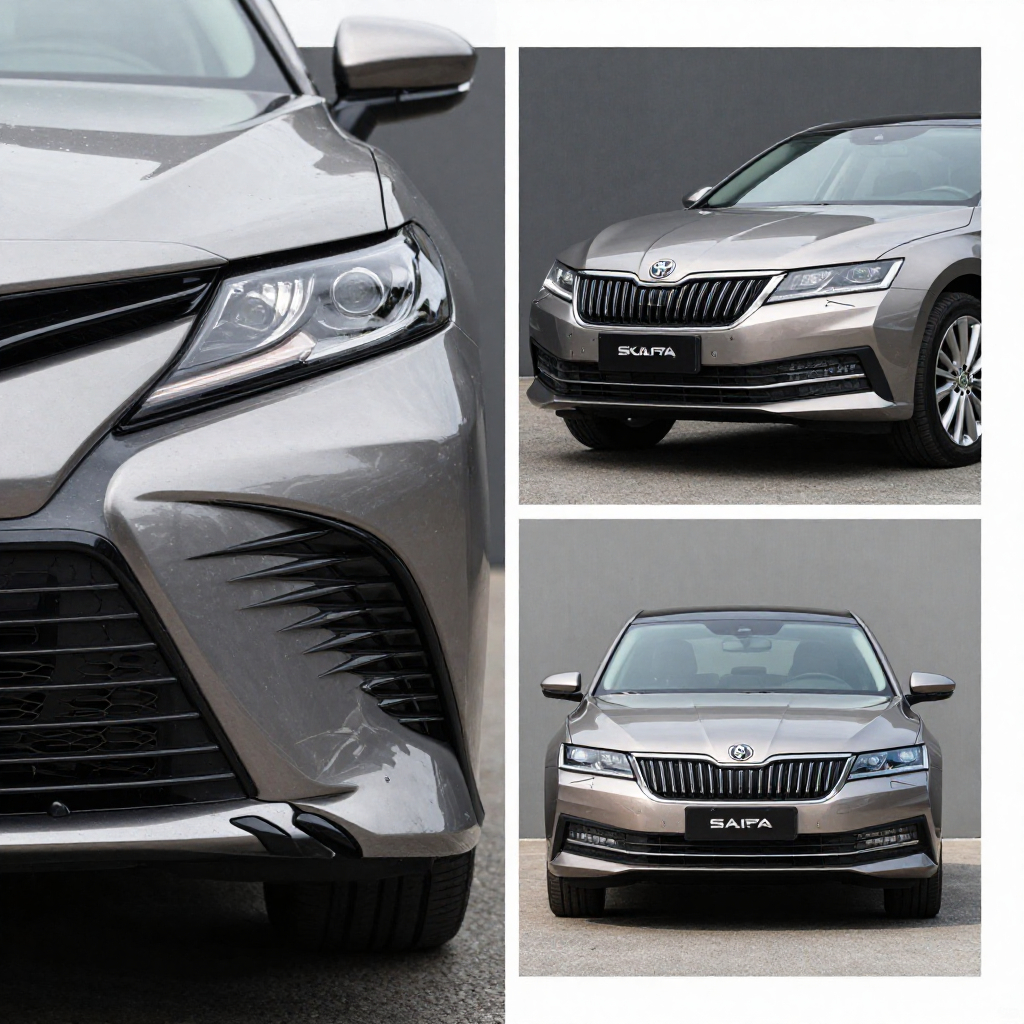
Choosing between two of Toyota’s most popular sedans can feel tricky. Both models have earned their reputation for reliability and value, but they serve different purposes. If you’re trying to decide which one fits your life better, you’re in the right place. Let’s break down what makes each sedan unique so you can make a confident choice. Size and Space: Compact vs Midsize Sedan The most obvious difference between the Toyota Camry vs Toyota Corolla starts with size. The Corolla is a compact sedan, measuring around 182 inches in length. The Camry, classified as a midsize sedan, stretches to about 193 inches long. This size difference matters more than you might think. The Corolla offers 88.6 cubic feet of passenger volume, while the Camry provides 100.4 cubic feet. If you regularly carry passengers in the back seat, that extra room makes a real difference on longer drives. Trunk space also varies. The Corolla gives you 13.1 cubic feet of cargo space, enough for grocery runs and weekend trips. The Camry steps up with 15.1 cubic feet, giving you room for larger suitcases or sports equipment. For buyers visiting Castle Toyota in Punjab, this choice often comes down to lifestyle. Solo commuters and couples typically find the Corolla perfectly sized. Families with kids or those who frequently travel with multiple passengers tend to appreciate what the Camry offers. Engine Performance and Powertrain Options The Toyota Camry and Corolla take different approaches to power. Toyota Corolla Engine Specs The standard Corolla uses a 2.0-liter four-cylinder engine producing 169 horsepower and 151 pound-feet of torque. This setup delivers peppy acceleration for city driving and confident highway merging. The Corolla also offers a hybrid variant with a 1.8-liter engine paired with an electric motor, generating 138 combined horsepower. Toyota Camry Engine Specs The 5th-Gen Camry lineup for 2025 went fully hybrid. Every model now features a 2.5-liter four-cylinder engine working with electric motors. Front-wheel-drive Camrys produce 225 horsepower, while all-wheel-drive versions bump that up to 232 horsepower. This powertrain gives the Camry noticeably stronger acceleration, especially when passing on highways. The Camry’s hybrid system feels refined. The transition between gas and electric power happens smoothly, and you barely notice the engine switching modes. Fuel Economy: Which Saves More at the Pump? Fuel efficiency matters when you’re calculating long-term costs. The standard Corolla achieves up to 32 mpg in the city and 41 mpg on the highway. The Corolla Hybrid does better, earning up to 53 mpg city and 46 mpg highway. Here’s where the Camry surprises many buyers. Despite being larger and more powerful, the all-hybrid Camry delivers up to 53 mpg city and 50 mpg highway with front-wheel drive. All-wheel-drive versions still achieve around 44 mpg combined. Both sedans can make your fuel budget stretch further. The Camry’s advantage comes from its more sophisticated hybrid system, which doesn’t have to work as hard thanks to the extra power available. Interior Comfort and Technology Features Step inside either sedan and you’ll find well-designed cabins with quality materials. Front Seat Comfort Both models offer comfortable front seating with good visibility. The Camry provides slightly more shoulder room, while both have adequate headroom and legroom for most drivers. Rear Seat Space The real difference shows up in the back. The Corolla’s rear seats work fine for shorter trips, but taller passengers might feel cramped on longer journeys. The Camry’s rear seats offer noticeably more legroom and headroom, making them more comfortable for adults on extended drives. Technology and Infotainment Both sedans come with an 8-inch touchscreen infotainment system supporting wireless Apple CarPlay and Android Auto. The Camry steps up the tech game by offering a 12.3-inch touchscreen on higher trims, giving you a larger, easier-to-read display. The Camry also includes wireless phone charging as standard equipment across all models. In the Corolla, this feature might not be available or only comes on higher trims. Safety Features: Toyota Safety Sense Both the Camry and Corolla prioritize passenger protection with comprehensive safety packages. The Corolla includes Toyota Safety Sense 3.0, featuring pre-collision warning, lane departure alert, automatic high beams, and adaptive cruise control. The system uses high-resolution cameras that can receive over-the-air updates. The safety features of the Toyota Camry include Toyota Safety Sense 2.5+, which offers a comprehensive suite of driver-assistance technologies. While not quite as advanced as version 3.0, it still provides strong protection with proven reliability. Both models also include stability control, traction control, multiple airbags, and anti-lock brakes. When you schedule a test drive at Castle Toyota, the sales team can walk you through how these systems work in real driving conditions. Pricing: Budget-Friendly vs Premium Value Price differences between these sedans can influence your decision significantly. The 2025 Corolla starts around $22,000 for the base model, with higher trims reaching into the mid-$20,000 range. This makes it one of the most affordable options for buyers seeking reliable transportation. The price of the Toyota Camry Hybrid in India reflects its premium positioning, just as the Camry begins around $28,000 globally, thanks to its larger size and standard hybrid powertrain. Top-tier Camry models climb into the mid-$30,000 range. In India, where the Camry is positioned as a premium sedan, pricing starts at Rs 47.48 lakh (ex-showroom) for the sole variant available. The Corolla was previously sold as the Corolla Altis but has been discontinued in the Indian market since 2020. Driving Experience: What to Expect Behind the Wheel How do these sedans actually feel to drive? The Corolla handles like a nimble city car. It’s easy to park, quick to maneuver through traffic, and light on its feet. The steering feels responsive, making it fun for daily commuting. The ride quality leans toward the firm side, which keeps things sporty but might feel a bit harsh over rough pavement. The Camry delivers a more refined driving experience. It feels planted and stable at highway speeds. The suspension soaks up bumps better, creating a smoother ride for everyone inside. The extra power makes highway passing
Toyota Camry Vs Skoda Superb: Which One to Choose
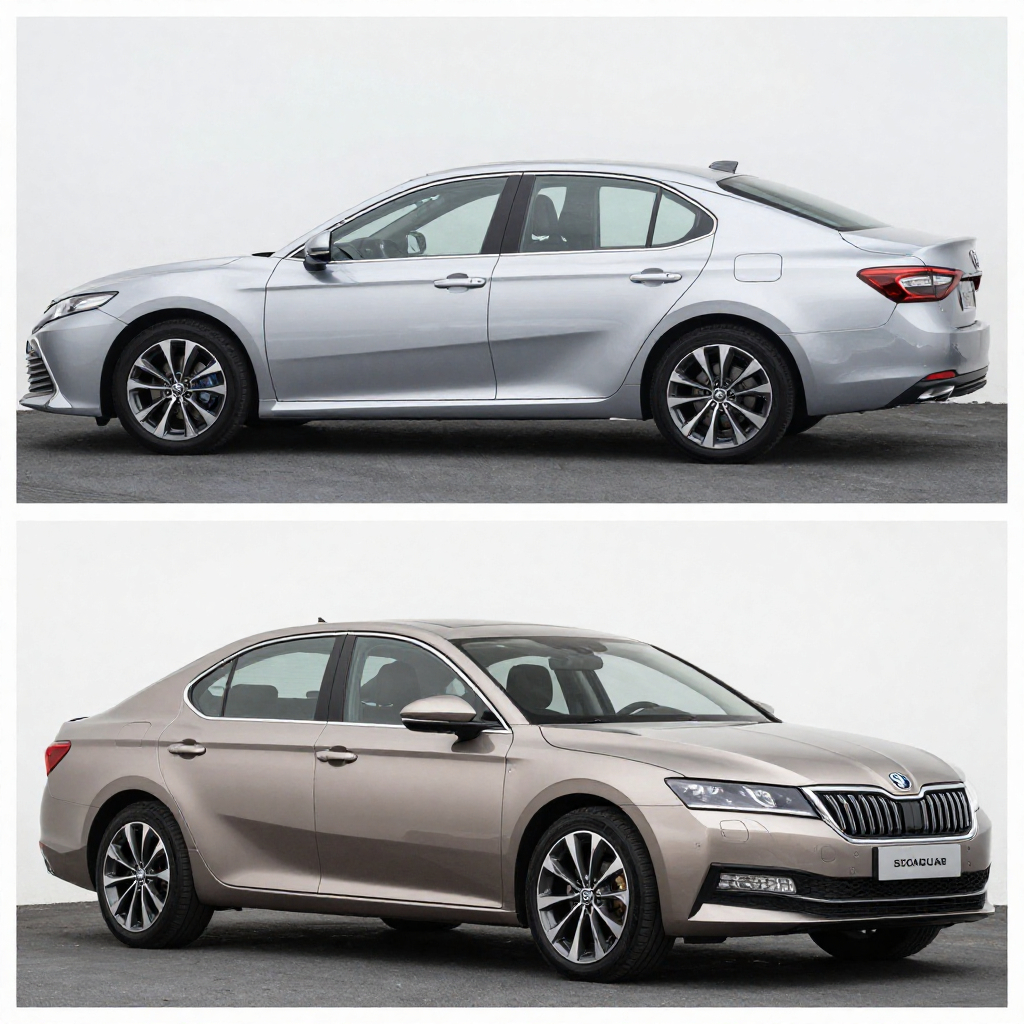
Picking between two flagship sedans isn’t easy, especially when both the Toyota Camry and Skoda Superb bring something special to the table. If you’re weighing these two cars, you’re probably looking for a premium sedan that balances comfort, performance, and value. Let’s break down how these two compare so you can make the right call. What Makes These Sedans Stand Out The Toyota Camry and Skoda Superb compete in the premium sedan segment, though they take different approaches to luxury. The Camry, now in its ninth generation, focuses on hybrid efficiency and rear-seat comfort. The Superb, on the other hand, emphasizes spaciousness and European design sensibilities. Both cars start around Rs 48-50 lakh, making this a genuine head-to-head comparison. At Castle Toyota, we help buyers understand what makes each vehicle tick. Whether you’re considering a new purchase or want to explore what these sedans offer, having the right information makes all the difference. Engine Performance and Powertrain Toyota Camry: Hybrid Power The 2025 Toyota Camry comes with a 2.5-liter hybrid petrol engine that produces 171 BHP, with a combined output of 230 BHP from the engine and electric motor. This setup pairs with an e-CVT gearbox that prioritizes smooth power delivery over sporty acceleration. The hybrid system gives you three drive modes: Sport, Eco, and Normal. In Eco mode, you can run on pure electric power if the battery has enough charge. The Camry’s claimed fuel efficiency stands at 25.49 kmpl, which is exceptional for a car this size. Skoda Superb: Traditional Power The Skoda Superb uses a 2-liter turbo-petrol engine that delivers 190 PS and 320 Nm. It comes with a 7-speed DSG automatic transmission that sends power to the front wheels. The Superb offers more immediate throttle response compared to the Camry’s CVT setup. Globally, the Superb is offered with multiple powertrains including diesel and plug-in hybrid options, though India initially gets the turbo-petrol variant. Design and Dimensions Exterior Styling The Camry features new C-shaped LED headlamps and a revised bumper with functional air vents for better aerodynamics. The design is sleeker than before, borrowing styling cues from the global Toyota Prius. It sits on 18-inch alloy wheels and measures 4,920mm in length. The Superb measures 4,869mm in length, 1,864mm in width, and 1,503mm in height with a wheelbase of 2,841mm. It maintains Skoda’s signature butterfly grille and sharp character lines. The design is more understated and elegant compared to the Camry’s sportier look. Interior Space and Comfort Both sedans prioritize rear-seat comfort, but they do it differently. The Camry offers rear seat heating, boss mode, and a reclining function for better comfort. The rear seat armrest includes touch controls for various functions. The Superb lives up to its name with generous cabin space. It offers a boot space of 625 liters, which edges out the Camry’s 524 liters. Both cars feature three-zone climate control, ensuring everyone stays comfortable. At Castle Toyota, customers often appreciate the Camry’s focus on chauffeur-driven comfort. The seats are designed for long-distance travel, making it ideal for business executives. Technology and Features Infotainment and Connectivity The 2025 Camry features a new 12.3-inch infotainment system and an instrument cluster, along with a 9-speaker JBL sound system. It supports wireless Apple CarPlay and Android Auto, plus you get wireless phone charging. The Superb comes with a 13-inch free-floating touchscreen system with wireless Android Auto and Apple CarPlay, plus a 10-inch digital driver’s display. Some variants feature a 12-speaker Canton sound system. Both cars offer heads-up displays and connected car technology. The Superb’s larger screen gives it a slight edge in the tech department. Safety Features The safety features in the Toyota Camry Hybrid include ADAS, a 360-degree parking camera, front parking sensors, and more. You also get nine airbags, ABS with EBD, and a full suite of electronic stability controls. The Superb offers multiple airbags, ABS with EBD, electronic stability control, and a full suite of Level 2 ADAS features including turn assist, emergency steering assist, auto emergency braking, and cross-road assist. Both sedans take safety seriously. Fuel Efficiency Comparison This is where the Toyota Camry truly shines. The hybrid powertrain delivers exceptional mileage for a sedan of this size. Real-world fuel economy typically stays above 20 kmpl, which translates to substantial savings over time. The Superb’s turbo-petrol engine focuses more on performance than efficiency. While it delivers strong acceleration and highway cruising capability, the fuel consumption will be higher than the Camry’s. For buyers prioritizing running costs, the Camry’s hybrid system offers a clear advantage. The savings add up quickly if you drive frequently or cover long distances. Price and Value Proposition Toyota Camry Pricing Following the GST rate cut, the price of the Toyota Camry in India now starts at ₹47.48 lakh (ex-showroom). You get two variants—the Elegant and the Sprint Edition—both offering comprehensive equipment lists. Skoda Superb Pricing The new-generation Superb is expected to be priced from Rs 50 lakh (ex-showroom) when it launches in India. It will arrive as a completely built unit (CBU) import in limited numbers. The Camry offers better value considering its hybrid technology and proven reliability. Toyota’s reputation for low maintenance costs adds to the ownership appeal. Ownership Experience Maintenance and Reliability Toyota has built its reputation on reliability and low ownership costs. The Camry benefits from Toyota’s extensive service network and readily available parts. At Castle Toyota, our service centers ensure your Camry receives proper care using genuine parts. The hybrid system requires minimal additional maintenance beyond regular service intervals. Battery warranties typically cover long periods, giving owners peace of mind. Skoda has improved its service network in India, though it’s not as widespread as Toyota’s. As a CBU import, the Superb may have longer wait times for certain parts. Resale Value The Camry historically holds its value better in the Indian market. Toyota’s reliability reputation and the hybrid system’s appeal contribute to strong resale prices. This matters if you plan to upgrade in a few years. The Superb’s resale value has been less predictable,
Which Car Is More Better Tata or Toyota?

Choosing between Toyota and Tata cars can feel like comparing apples to oranges. Both brands have carved distinct identities in the Indian automotive market, each bringing something different to the table. Toyota is a Japanese giant with global recognition for reliability, while Tata Motors represents homegrown engineering focused on safety and affordability. If you’re standing at this crossroads, wondering which brand deserves your hard-earned money, you’re not alone. Thousands of Indian buyers face this question every month. The answer isn’t straightforward because it depends on what matters most to you: bulletproof reliability, upfront affordability, resale value, or cutting-edge safety features. This guide breaks down the Toyota vs Tata debate across every angle that matters. By the end, you’ll know exactly which brand fits your budget, lifestyle, and long-term goals. Understanding the Brand Philosophy Before comparing specific models, let’s look at what each brand stands for. Toyota: Built on Global Reliability Toyota Motor Corporation, founded in 1937 and headquartered in Toyota City, Japan, has grown into one of the largest car manufacturers worldwide, producing over 10 million vehicles annually. The brand is known for cars that keep running long after competitors have called it quits. When you visit Castle Toyota, a trusted Toyota Dealer in Jalandhar, you’re not just buying a car, you’re investing in decades of proven engineering. Toyota, Maruti Suzuki, and Hyundai dominate the resale market because of long-standing reliability and trust from buyers. That reputation isn’t accidental; it comes from consistent quality control and a conservative approach to technology that prioritizes longevity over flashy features. Tata Motors: India’s Safety Champion Tata Motors is an Indian multinational automotive manufacturing giant headquartered in Mumbai. What sets Tata apart is their commitment to making safety accessible at every price point. Tata Motors has earned a reputation as a trendsetter for the industry, with cars achieving the coveted 5-star rating by Bharat-NCAP across petrol, diesel, and CNG powertrains. The brand has transformed dramatically over the past decade. Gone are the days when Indian cars meant compromise. Today, Tata vehicles compete head-to-head with international brands on safety ratings while keeping prices within reach of middle-class families. Price and Affordability: Who Wins on Your Budget? Let’s talk about money. For most Indian families, this is where the rubber meets the road. Tata: More Features per Rupee The Tata Tiago is the most affordable car from Tata, starting at ₹5.65 Lakh. Tata’s pricing strategy gives you more cars for less money. A Tata Nexon loaded with features costs significantly less than a comparable Toyota. Here’s what makes Tata attractive on price: For budget-conscious buyers or first-time car owners, Tata delivers serious bang for your buck. You get modern design, good safety, and plenty of features without stretching your budget to breaking point. Toyota: Higher Initial Cost, Lower Long-term Expenses Toyota cars demand a premium upfront, as reflected in the pricing list of all new Toyota car models in India, which currently range from ₹6.39 lakh to ₹2.25 crore. But that initial investment often pays dividends over time. Castle Toyota customers frequently discover that what seems expensive initially becomes economical over five years of ownership. Lower maintenance costs, better fuel efficiency in real-world conditions, and minimal breakdown risks help offset the higher purchase price. Think of it this way: Tata gives you more today. Toyota gives you more tomorrow. Resale Value: The Great Equalizer This is where Toyota pulls ahead dramatically. Toyota Holds Value Like Few Others An average Toyota holds about 68% of its value if you sell it after 5 years of ownership. That’s exceptional. Cars in India lose 40-50% of their value after 3 years, but models with strong resale like the Swift or Fortuner retain 65-80%, significantly reducing depreciation loss. 3-year-old Fortuners sell for nearly the same price as their original invoice value due to Toyota’s legendary reliability and periodic price hikes on new models. That’s remarkable. Your Toyota becomes a liquid asset. When it’s time to upgrade, you’ll recoup far more money than expected. Castle Toyota sees this firsthand. Customers trade in 5-year-old Toyota vehicles and are pleasantly surprised by trade-in values that dwarf what other brands offer. Tata’s Improving But Still Behind Tata cars have improved in resale value as quality perceptions change. Models like the Nexon and Harrier hold value better than Tata cars from a decade ago. But they still depreciate faster than Toyota equivalents. The gap is narrowing as Tata’s reputation for safety and build quality spreads. But for now, if resale value matters to you, Toyota remains the safer bet. Safety: Tata Takes a Bow Safety is where Tata genuinely shines. Tata’s Safety Revolution The Tata Safari and Harrier achieved a five-star Global NCAP rating for adult and child occupant protection with the highest score in Global NCAP’s #SaferCarsForIndia campaign. The Tata Nexon created history in 2018, becoming the first Indian car to get a 5-star safety rating from Global NCAP. Tata hasn’t stopped there. The new Tata Altroz scored a 5-star rating for both adult and child occupant protection, with the premium hatchback awarded 29.65 points out of 32 in AOP and 44.90 out of 49 in COP. Even budget models get strong crash protection. What’s impressive is that Tata makes safety standard, not optional. Six airbags, electronic stability control, and robust body structures come even on lower variants. You don’t need to stretch to the top model to protect your family. Toyota: Safe, But More Selective The Toyota Innova Hycross has a 5-star safety rating for both adult and child occupant protection, with 30.47/32 and 45/49 points, respectively. Toyota cars are undeniably safe. But safety features tend to concentrate in higher variants. Castle Toyota ensures all models meet stringent safety standards. But if you’re comparing entry-level offerings, Tata gives you more safety equipment right out of the box. Reliability and Maintenance: Toyota’s Home Turf This is where Toyota built its reputation, and it shows. Toyota: The Low-Drama Ownership Experience Toyota cars are known to run 1-2 lakh kilometres with very little fuss as
Is Toyota Camry Good for Indian Roads?

The Toyota Camry has long been a symbol of luxury sedans worldwide, but does it translate well to Indian driving conditions? If you’re considering this executive sedan, you probably want to know whether it can handle everything from pothole-riddled city streets to highway stretches. Let’s break down what makes the Camry tick on Indian roads and whether it’s the right choice for you. Understanding the Toyota Camry’s Position in India The Toyota Camry India review starts with understanding what this car represents. It’s not your everyday sedan. Positioned as a premium offering, the Camry competes with the likes of the Skoda Superb and Honda Accord in a segment that prioritizes comfort, refinement, and status over pure practicality. At Castle Toyota, customers often ask whether spending on a Camry makes sense given India’s road conditions. The answer depends on what you value most in a vehicle. Ground Clearance: The Indian Road Reality Check One of the first concerns for any car buyer in India is ground clearance. The Camry offers approximately 170mm of ground clearance, which sits right in the middle ground for sedans. This isn’t SUV territory, but it’s adequate for most urban and highway driving scenarios. Here’s what this means in real terms: Suspension Setup: Built for Comfort The Camry’s suspension tuning deserves special attention in any Toyota Camry India review. Toyota engineers have calibrated the MacPherson strut front and double wishbone rear suspension to absorb road imperfections while maintaining composed handling. On Indian roads, this translates to a plush ride quality that filters out minor bumps and undulations. Passengers barely feel the small imperfections that plague our city roads. However, sharp potholes will still transmit some shock to the cabin, though the impact feels controlled and dampened compared to sportier sedans. The suspension also manages body roll well during cornering, giving you confidence even when navigating crowded city intersections or taking highway curves at speed. Powertrain Options: Hybrid Makes Sense The current Camry comes exclusively with the 5th-Gen Camry hybrid engine, featuring a 2.5-liter hybrid powertrain that combines a petrol engine with electric motors. This system produces a combined output of around 218 horsepower, delivered through a continuously variable transmission (CVT). For Indian conditions, this powertrain offers several advantages: Size and Maneuverability in Tight Spaces The Camry measures over 4.9 meters in length and nearly 1.84 meters in width. These dimensions make it a substantial vehicle by Indian standards. Parking in tight city spots requires attention. Multi-level parking structures with narrow slots can be challenging. The reversing camera and parking sensors help, but you’ll still need spatial awareness. Narrow lanes in older city areas demand careful navigation. On highways and open roads, the size becomes an advantage. The long wheelbase provides stability at high speeds, and the cabin offers generous space for all occupants. Interior Space and Comfort for Indian Families Where the Camry truly shines is interior comfort. The rear seat offers exceptional legroom and headroom, even for taller passengers. The seats themselves provide good support for long journeys, a consideration for families planning weekend getaways or intercity travel. Climate control works effectively in Indian heat. The air conditioning system cools the cabin quickly, and rear AC vents ensure comfort for back seat passengers during summer months. Boot space stands at around 524 liters, enough for family luggage on road trips. The hybrid battery placement doesn’t compromise cargo capacity significantly. Build Quality and Reliability Toyota’s reputation for reliability extends to the Camry. The build quality feels solid, with tight panel gaps and quality materials throughout the cabin. This matters on rough roads where rattles and squeaks can develop in lesser cars. Service network accessibility is another plus. Castle Toyota, a trusted Toyota Dealer in Jalandhar, along with other authorized service centers across major Indian cities, ensures you won’t struggle to find maintenance support. Parts availability is generally good, though costs run higher than mainstream sedans. The hybrid system has proven reliable globally, with batteries designed to last the vehicle’s lifetime under normal use. Warranty coverage provides additional peace of mind. Safety Features for Indian Road Conditions The Camry comes loaded with safety equipment including multiple airbags, ABS with EBD, traction control, and vehicle stability control. These systems work overtime on Indian roads where unpredictable situations arise frequently. The car’s weight and structural rigidity provide passive safety. In the event of a collision, you’re sitting in a well-engineered safety cell designed to protect occupants. Advanced features like blind-spot monitoring and rear cross-traffic alert add extra eyes where Indian traffic conditions can get chaotic. Running Costs and Ownership Experience Owning a Camry in India means accepting premium running costs, which explains why many ask, “Why is the Toyota Camry so expensive in India?” Insurance premiums run high due to the car’s value. Service costs exceed those of mainstream sedans, though they remain reasonable compared to European luxury cars. Spare parts availability through Castle Toyota and other dealers is generally good, but prices reflect the car’s premium positioning. Hybrid components, while reliable, cost more to replace if issues arise outside warranty. Resale value holds reasonably well in the used car market, as the Camry nameplate carries prestige and the hybrid powertrain attracts environmentally conscious buyers. Who Should Buy the Toyota Camry? The Camry makes sense for specific buyer profiles. Corporate executives who prioritize rear-seat comfort for chauffeur-driven use will appreciate the spacious cabin and refined ride. Families seeking a comfortable highway cruiser for long-distance travel will value the hybrid efficiency and smooth powertrain. However, if you frequently drive on severely damaged rural roads or need aggressive ground clearance for rough terrain, an SUV makes more sense. Similarly, enthusiast drivers seeking sporty handling might find the Camry too comfort-focused. Frequently Asked Questions Is the Toyota Camry suitable for bad Indian roads? The Camry handles typical city roads and highways well, with 170mm ground clearance managing most speed breakers and minor potholes. However, severely damaged rural roads or deep waterlogging pose challenges. The suspension absorbs regular imperfections comfortably, making it suitable