
What Is the Price of Toyota Camry Hybrid in India?

The Toyota Camry Hybrid stands as one of India’s most recognizable executive sedans, blending refined styling with hybrid efficiency. If you’re considering this premium offering, understanding its pricing structure and what you get for your money is the first step. Currently, the Toyota Camry Hybrid is priced at approximately ₹48 lakh (ex-showroom) in India. This positioning places it squarely in the premium sedan segment, competing with established names while offering Toyota’s proven hybrid technology and the brand’s reputation for reliability. Understanding the Toyota Camry Hybrid Pricing Structure The ex-showroom price represents just the starting point. Your final on-road cost will include registration charges, road tax, insurance, and optional accessories. Depending on your state, these additions can push the total investment to around ₹52-55 lakh. State-specific taxes play a big role here. For instance, buyers in Maharashtra or Karnataka typically face different registration costs compared to those in Delhi or Tamil Nadu. When you visit Castle Toyota, their sales team can provide an accurate on-road quote based on your location. It’s worth noting that Toyota occasionally introduces special editions or updates that may affect pricing. The company also runs periodic offers, though these tend to be modest given the Camry’s premium positioning. What You Get for the Price At this price point, Toyota loads the Camry Hybrid with features that justify its premium tag. Let’s break down what makes this sedan worth considering. Engine and Hybrid System The Camry Hybrid runs on a 2.5-liter petrol engine paired with an electric motor, producing a combined output of around 218 horsepower. This setup delivers smooth acceleration while returning fuel economy figures that petrol-only competitors struggle to match. Real-world users report mileage in the range of 19-23 km/l, depending on driving conditions. The e-CVT transmission ensures seamless power delivery, making city driving less tiring and highway cruising more refined. The transition between electric and petrol power happens so smoothly that most passengers won’t even notice. Exterior Design and Dimensions The current-generation Camry measures about 4.9 meters in length, giving it a commanding road presence. The design language follows Toyota’s global aesthetic with a bold front grille, sleek LED headlamps, and flowing lines that create a contemporary silhouette. Chrome accents and 18-inch alloy wheels add to the premium appeal. The overall design strikes a balance between sporty aggression and executive elegance, making it suitable for both business meetings and weekend getaways. Interior Comfort and Features Step inside, and you’ll find a spacious cabin trimmed in quality materials. The front seats offer power adjustment with ventilation, while rear passengers get generous legroom and dedicated climate control. The infotainment system features a 9-inch touchscreen with Apple CarPlay and Android Auto compatibility. A JBL premium audio system, wireless charging, and ambient lighting round out the technology offerings. Toyota has focused on creating a quiet cabin, with good insulation keeping road and wind noise at bay. Safety Features Safety equipment includes multiple airbags, ABS with EBD, traction control, and hill-start assist. The Camry also comes with Toyota’s Safety Sense package in select markets, though the Indian version may have a slightly different configuration. Parking sensors, a rearview camera, and blind-spot monitoring help with maneuvering this large sedan in tight spaces. Comparing Value Against Competitors The Camry Hybrid’s pricing puts it in direct competition with sedans like the Skoda Superb and luxury offerings from brands like BMW and Mercedes-Benz. Here’s how it stacks up. Against the Skoda Superb, the Camry offers better fuel economy and Toyota’s hybrid reliability. The Superb counters with more aggressive pricing and a different character altogether. Both have their merits depending on what you prioritize. When compared to entry-level luxury sedans, the Camry trades badge prestige for lower running costs and superior fuel efficiency. If you value practicality over brand cachet, the Camry makes a strong case. Castle Toyota representatives can help you understand these trade-offs based on your specific needs. Read More : Toyota Camry Hybrid vs Honda Accord Hybrid Running Costs and Ownership Experience One of the Camry Hybrid’s biggest selling points is its running cost profile. The hybrid powertrain significantly reduces fuel expenses compared to conventional petrol engines, especially in city driving where the electric motor does much of the work. Maintenance costs are reasonable for the segment. Toyota’s service network across India ensures you won’t struggle to find authorized centers. The hybrid battery carries a substantial warranty, typically 8 years or a specified kilometer limit, giving buyers peace of mind about long-term reliability. Insurance premiums sit at the higher end given the car’s value, but this is standard for premium sedans. Resale values have historically held up well, as the Toyota name commands respect in the used car market. Financing and Ownership Options Most buyers in this segment explore financing options. Banks and financial institutions readily offer loans for the Camry Hybrid, with interest rates typically ranging from 8-10% depending on your credit profile and the lender’s terms. Toyota also offers in-house financing through Toyota Financial Services, which sometimes comes with promotional rates or flexible repayment terms. A typical loan might require a 20-30% down payment, with tenures extending up to 7 years. Leasing hasn’t gained much traction in India for personal vehicles, but corporate buyers sometimes explore this route for tax benefits and easier fleet management. Where to Buy and What to Expect Purchasing a Camry Hybrid involves visiting an authorized Toyota dealership. The buying experience at showrooms like Castle Toyota includes a detailed walkaround, test drive opportunities, and transparent discussions about pricing, insurance, and after-sales service. Toyota’s network, while not as extensive as mass-market brands, covers major cities and towns. This matters for long-term ownership, as service accessibility affects your overall experience. Delivery timelines vary based on demand and inventory. The Camry Hybrid isn’t a high-volume seller like the Fortuner or Innova, so availability might require some patience. Dealers can provide accurate timelines and may even allow you to track your vehicle’s production and shipment. Is the Toyota Camry Hybrid Worth Its Price? The answer depends on what you
Why Is Toyota Camry So Expensive in India
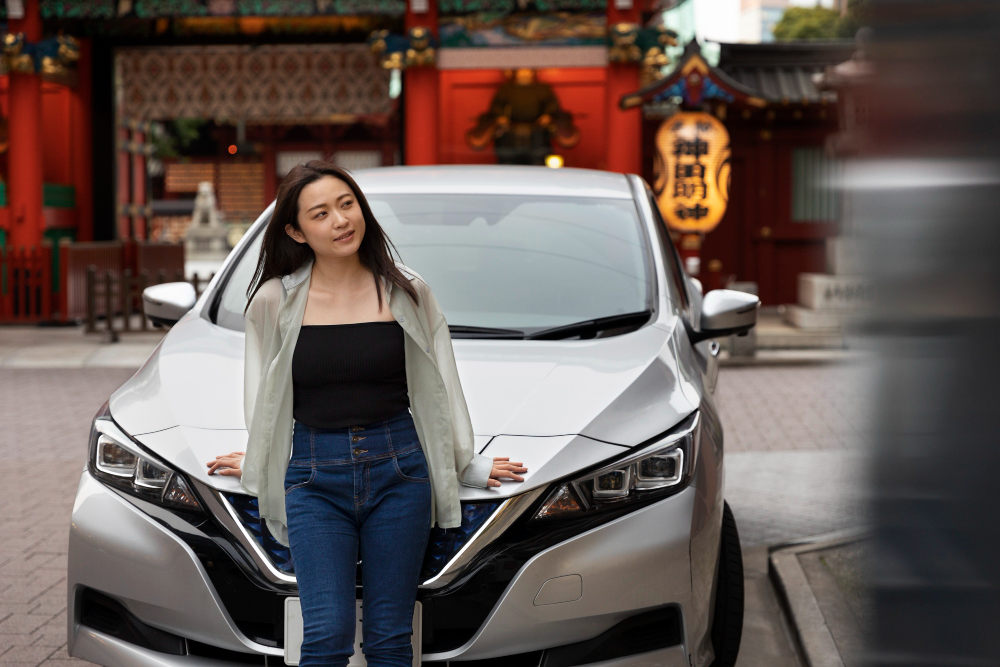
The 2025 Toyota Camry comes with a starting price of Rs. 48 lakh (ex-showroom), making it one of the most expensive midsize sedans in India. Compare that to its US price of around $27,000 (approximately Rs. 22 lakh), and you’re looking at more than double the cost. For many car buyers, this raises an obvious question: why does the Camry carry such a heavy price tag in India? The answer isn’t simple. A mix of government taxation policies, import regulations, limited market demand, and positioning strategy all contribute to making the Toyota Camry an expensive purchase. Let’s break down exactly what’s driving this price difference. Understanding the Import Structure The biggest factor behind the Camry’s high price is how it enters India. Toyota imports the vehicle through the CKD (Completely Knocked Down) route. This means the car arrives as individual parts and components, which are then assembled at Toyota’s facility in India. Unlike mass-market models like the Fortuner or Innova that are manufactured locally with high production volumes, the Camry comes from overseas. This immediately subjects it to multiple layers of taxation. Here’s how the tax structure works. First, Toyota pays a 15% import duty on the CKD kit. Then comes the Integrated GST at 18%. After assembly, the government applies a 28% GST on the final product, plus an additional 15% cess because the Camry has an engine larger than 1,500cc. When you add state-level road tax (around 10% in most regions), insurance, and other charges, the price shoots up dramatically. Let’s put this in perspective. A CKD kit worth Rs. 20 lakh becomes Rs. 38-40 lakh after all these taxes before even reaching the showroom. State-level charges push it further to the Rs. 48 lakh mark you see today. Why Not Manufacture Locally? You might wonder why Toyota doesn’t just build the Camry in India to avoid these taxes. The answer comes down to market demand. The D-segment sedan category (which includes the Camry) has extremely limited appeal in India. Most buyers at this price point prefer SUVs like the Fortuner or luxury German sedans like the Audi A4 and BMW 3 Series. The Camry typically sells just a few hundred units annually, nowhere near enough to justify setting up a dedicated manufacturing line. Building a local production facility requires massive investment in tooling, equipment, and supply chains. For a car that sells in small numbers, this doesn’t make financial sense. Toyota would rather use its Indian manufacturing capacity for high-volume sellers like the Fortuner, Innova Hycross, and Glanza. So the CKD route becomes the practical choice. It allows Toyota to offer the Camry to Indian buyers without the overhead of local manufacturing, but the trade-off is a higher sticker price. Currency Exchange Fluctuations Another layer to consider is the exchange rate between the Indian rupee and Japanese yen. When the rupee weakens against the yen, the cost of importing components increases. These currency movements directly affect the landed cost of the vehicle. Over the past few years, the rupee has generally depreciated against major currencies. This means Toyota pays more in rupee terms to import the same CKD kit, and these costs eventually pass on to buyers. What You’re Actually Paying For The high price tag doesn’t just reflect taxes and import costs. The Camry is packed with features that justify its positioning as a premium sedan. The 2025 model includes a 2.5-liter hybrid engine paired with a fifth-generation hybrid system, delivering 25.49 km/l fuel efficiency. This technology doesn’t come cheap. Inside, you get a 12.3-inch touchscreen infotainment system with wireless Apple CarPlay and Android Auto, a 12.3-inch digital instrument cluster, a 9-speaker JBL audio system, and three-zone automatic climate control. The rear seats feature power recline with dedicated controls, making the Camry a favorite for chauffeur-driven owners. Toyota Camry Safety features include nine airbags, Toyota Safety Sense (which bundles lane-keeping assist, adaptive cruise control, pre-collision alert, and automatic emergency braking), a 360-degree camera, and parking sensors. The build quality, cabin refinement, and NVH (noise, vibration, harshness) levels match or exceed luxury sedans costing much more. For comparison, Castle Toyota locations across Jalandhar, Amritsar, and other Punjab regions report strong interest from buyers who prioritize long-term reliability and low running costs over flashy performance. How the Camry Compares to Competitors At Rs. 48 lakh, the Camry sits in an interesting position. It costs more than the discontinued Skoda Superb (which was priced around Rs. 35-40 lakh) but less than entry-level luxury sedans like the Audi A4, BMW 3 Series, or Mercedes C-Class, which start around Rs. 50-60 lakh. The difference is in the approach. German luxury sedans focus on sporty handling, brand prestige, and cutting-edge interiors. The Camry focuses on comfort, rear-seat space, hybrid efficiency, and Toyota’s legendary reliability. Maintenance costs for the Camry are also significantly lower than German rivals. For buyers who want a refined, comfortable sedan without the high service bills of luxury brands, the Camry makes sense. But you’re still paying luxury-car money for a non-luxury badge. Market Positioning and Brand Value Toyota prices the Camry deliberately. The company knows the sedan occupies a niche market and positions it as a premium product. Part of what you’re paying for is Toyota’s reputation for durability and low ownership costs. Studies consistently rank Toyota among the most reliable brands globally. The Camry specifically has earned high marks from J.D. Power and other consumer research firms for dependability. Owners report fewer problems per 100 vehicles compared to most competitors. This reputation allows Toyota to command a premium. Buyers know they’re getting a car that will likely run trouble-free for years with minimal unexpected repairs. The resale value of a well-maintained Camry remains strong, which helps offset the initial purchase price. Why Buyers Still Choose It Despite the high cost, the Camry continues to find buyers in India. The typical Camry buyer is usually looking for a chauffeur-driven sedan that emphasizes comfort over sportiness. These buyers value quiet cabins, spacious rear seats, and the peace of